


As part of their ‘Talk the Talk’ series, I spoke to Ideal Homes and Gardens about a variety of subjects ranging from sustainability in architecture to the way in which I seek inspiration from the world around me.
A Blog
with a curation of our design ideas and inspiration for houses in Goa, contemporary art and architecture.
Archive
- A Grounded Palette 12
- Architecture 92
- Art 25
- Art in Goa 3
- Arthshila Goa 1
- Bangalore 1
- Conservation 8
- Delhi 1
- Design 42
- Designing a House in Goa 17
- Ecological Design 21
- Environment 39
- Geoffrey Bawa/Bijoy Jain 6
- Goa Ecology 7
- Goan art scene 1
- Heritage 2
- House for Sale in Goa 23
- Interiors 17
- Landscape 3
- Landscape Design 9
- Life 25
- Lifestyle 12
- Living in Goa 39
- Mentoring 4
- Moving to Goa 27
- Navovado Project Update 4
- Nivim Project Update 33
- Old Goa 1
- Press 11
- Resort-style Lifestyle 14
- Restoration 1
- Sustainable Architecture 21
- Sustainable Design 19
- Toybox 3
- Wellness 5
- cultural spaces 1
- multidisciplinary art 1
- old delhi 1
- reed bed 1
I recently read an article on how the wettest place on earth, Cherapunji in the east of India is experiencing water shortages. The news was not overly shocking, as we have all heard about the water woes in Bangalore (where it is believed that the city would have to be evacuated by 2025), Delhi, and all other major cities in India. The slightly shocking part with the Cherapunji story is that it has an abundant source of water in the form of rain, and the reason for its water shortage is simply the ignorant management of resources on the ground.
The story is not much different in Goa as well. Goa receives 300 inches of rainfall during a 4-month monsoon season each year. Inspite of this abundance of rain, there are frequent water shortages in Goa, and the water level in village wells across Goa are dropping at an alarming rate. This makes the significance of rainwater harvesting in houses in Goa of paramount importance.

In addition, I strongly believe that all new construction in Goa must manage its rain water discharge. We often experience that during the monsoon the excess run off from built areas result in flooding of low-lying areas. As responsible builders, we must accept that the public storm water drainage system is just not equipped to handle the pressure of new development and we must manage our rain water independently and ideally, use the rain water to recharge the underground water table. In Goa, the rain water drainage is closely linked to the cycles of paddy agriculture. These systems have been working for centuries and are the lifeline for paddy agriculture, an important source of livelihood and lifestyle for Goans that must be protected.
As a standard practice across all our projects, we harvest all the rain water from our site as well as from the roofs of the built structures and allow it to percolate back into the ground in an attempt to maintain the underground water table for our site and surroundings. This practice directly supports our larger design intent where we wish to minimize the impact of our building activity on our site and the environment.
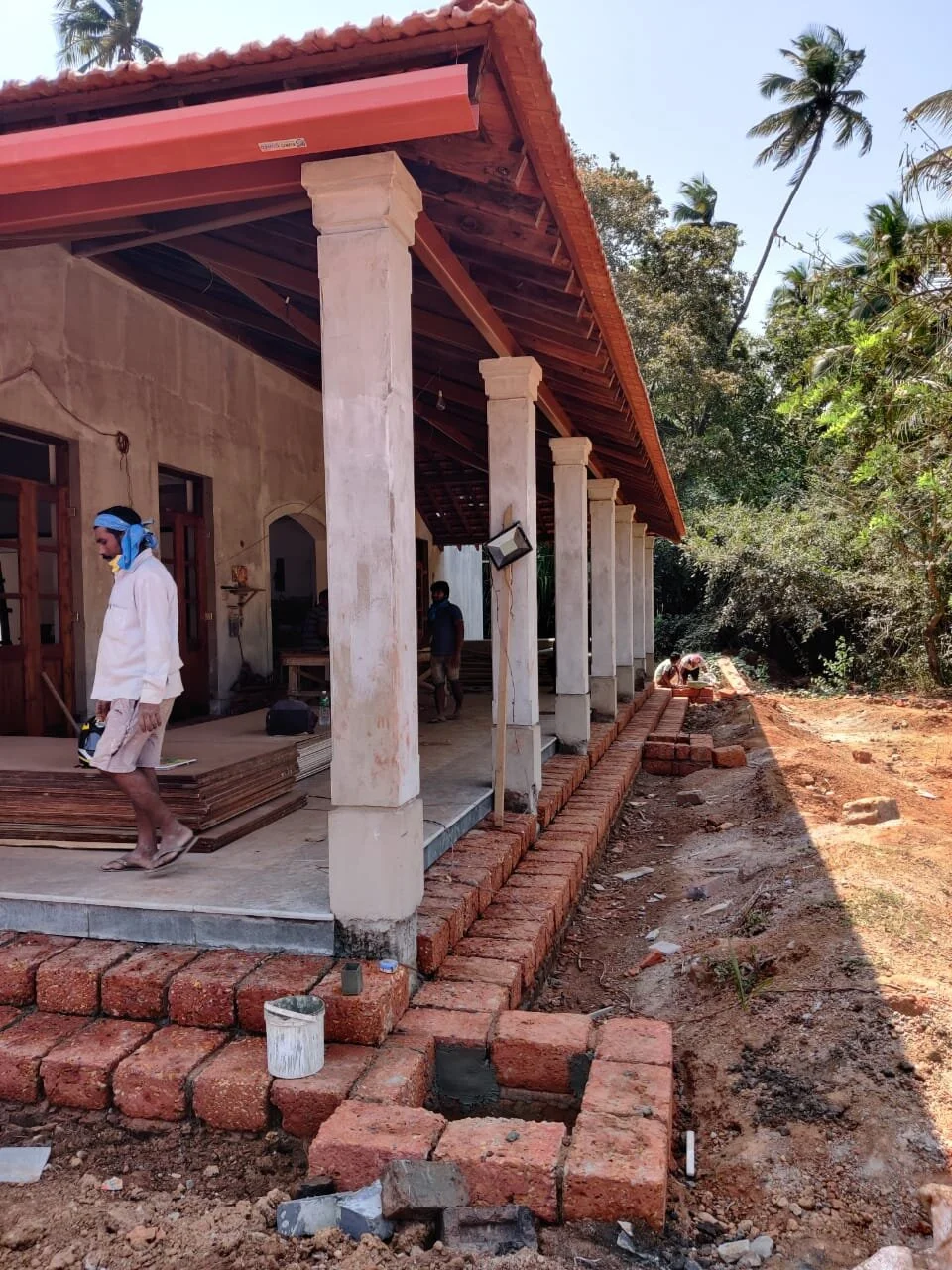

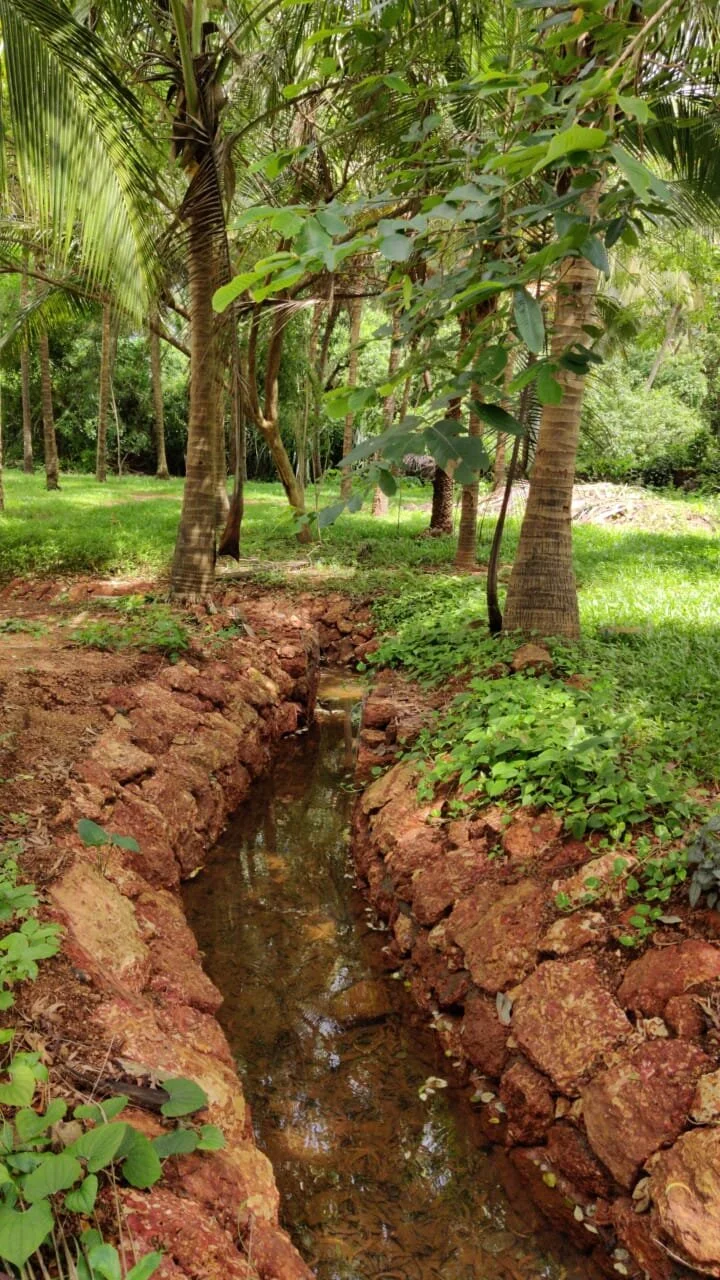
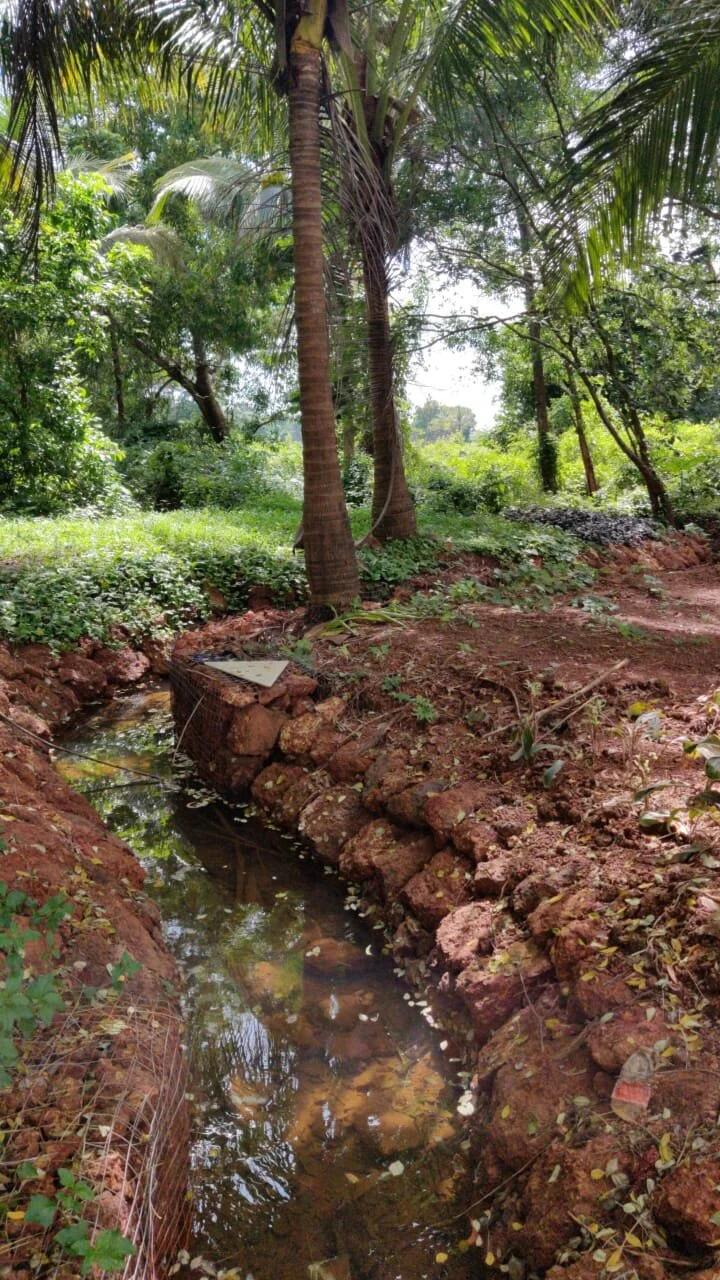
At the House with Three Pavilions in Goa, we have taken rainwater management many steps further by designing a comprehensive water management plan for the entire site. The objective is to retain most of the rain water within the site and to recharge the underground water table, minimizing the impact of the new construction on the land. All the roof rain water runoff is captured and along with the site surface runoff, it is directed into the central seasonal pond. The pond is connected to a newly planned system of bio swales that spread the collected runoff water over a larger site area increasing the rate and extent of percolation on the site. These beauties utilize no cement in their construction and can absorb water through the walls and the base. The bioswales are designed as gabion walls, stone walls within a GI frame, hence are perméable to water.
The water management system furthers the connection of the home and its residents to nature as the water will ebb and flow with seasons, will encourage the growth of wild grasses and flowers, and retain the land as a home for the diverse insect, reptile and bird life that we encountered on the virgin land prior to construction.
(Water Management Plan in consultation with Pallavi Latkar and team at Grassroots Research Mumbai.)
READ ON
Featured
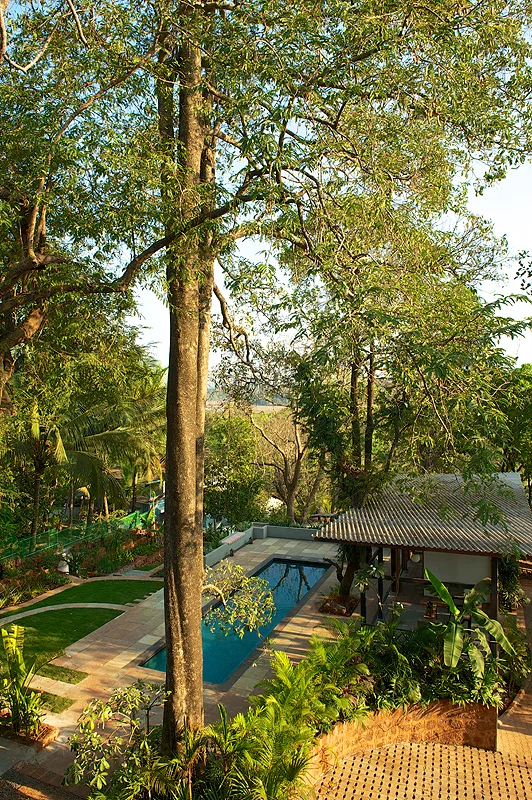
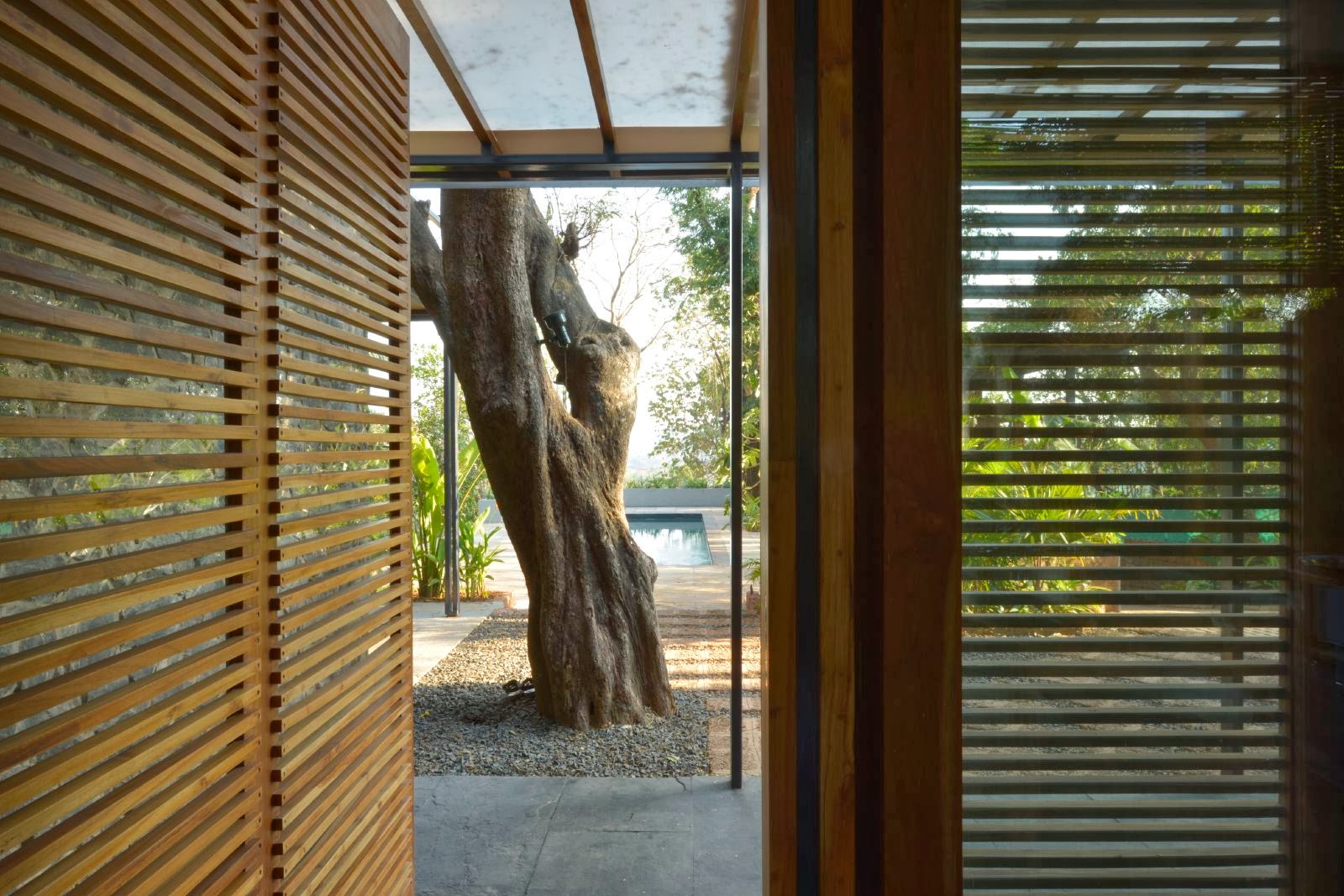
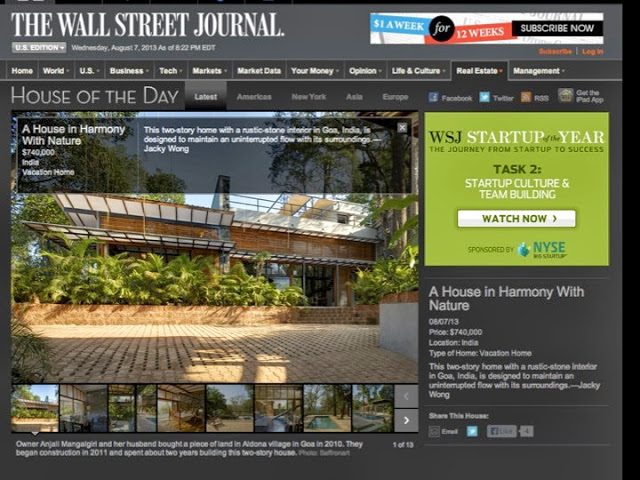
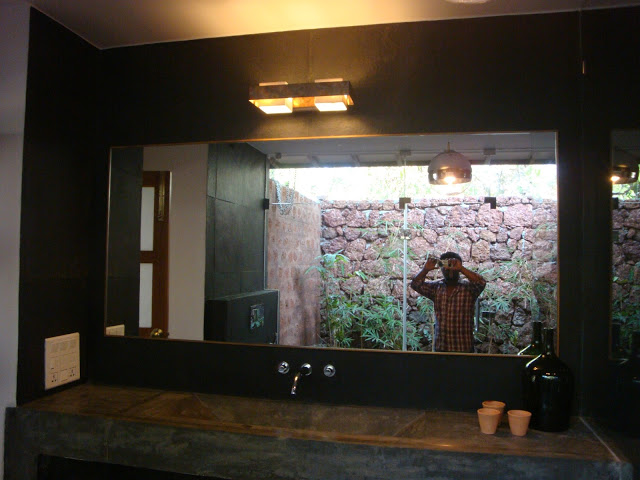

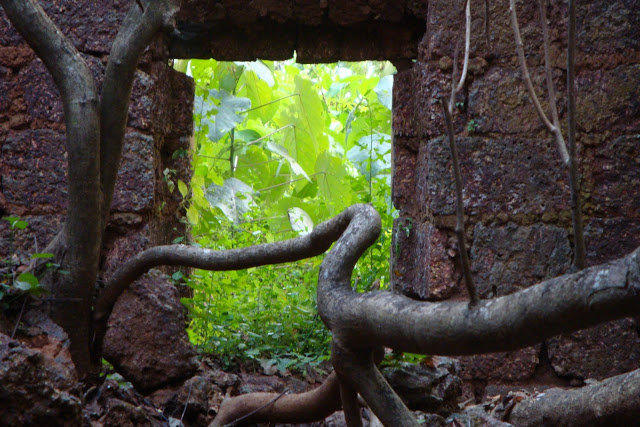


This article was written by me for World Environment Day and published on realty magazine website.
It feels like we are at war. At war with a virus that has caught the world off-guard. It spreads through air and we don’t have a cure for it, yet. We all recognize that this event will be life-changing and hope that the world can emerge from this only slightly bruised but overall resilient with a strong sense of solidarity, love and respect for humanity. While all our energies are focused on this crisis, there is a bigger elephant in the room where humanity has been on a war footing for some time now, that of climate change as a result of human activities.
The past few years have seen unprecedented wild fires, droughts and storm cycles around the world. A report by the Ellen MacArthur Foundation predicts that by 2050, there will be more plastic in the oceans than fish. In 2019, Okjokull became the first glacier in Iceland to disappear as a result of climate change. About 3.8 million hectares of primary rainforest was lost in 2019 alone. As per a report by Global Forest Watch, every 6 seconds, an area equivalent to the size of a football pitch of primary rainforest was destroyed in 2019. Entire islands have disappeared due to the rising sea levels in our oceans.
In March this year, while the world took a pause in an effort to contain COVID-19, we experienced and enjoyed cleaner air and cleaner waters- a definitive sign that humans are responsible for the environmental degradation that surrounds us. We have managed to pollute our glorious planet with poisonous gases and non-biodegradable waste, perhaps beyond repair. The silver lining is the speed with which the environment bounced back even with a temporary and short suspension of human activity. Pinning my hope on that, I wish that humankind can possibly mend our ways in an effort to bequeath a beautiful planet to our future generations.
Architects are generally taught to believe that they have the power to change the world for the better. We do this through design and also through advocacy. So even while we, as consultants, would recommend best practices, the conversion of ideas to real impact was marginal.
Many a times, Green Certification gets a bad reputation as it is a standardized platform of measuring sustainability across various cultures and geographies. The certification process forces us to keep detailed accounts, and make accurate calculations such that our sustainable efforts are not only in name but are real with measurable impact.
That said, certification is usually the starting point for us in our journey into sustainability. I firmly believe that ‘sustainability is common sense’. In architecture, it involves following sound design principles, respecting the land while planning new buildings and responding to the local climate and conditions.
To pursue sustainability, we must try to conserve the natural resources within our own site (through rain water harvesting, renewable energy use and grey water recycling), use materials and employ design ideas that keep the building interiors cool or warm (and reduce the use of air-conditioning and heating), allow for ample daylight (to reduce the energy use for lighting during the day), use half flushes in bathrooms along with aerators to reduce the water flow in bath and kitchen fittings (to reduce water-use), maximize the use of materials that are produced locally, and use materials with a high recycled content.
These strategies for me are the low-hanging fruit that are easy to achieve with minimal cost escalation in the process. I also think that it is key to understand the lifespan of materials (regardless of their green features). If they have to be replaced in a short period of time, then they fail the test of sustainability. Finally, to achieve actual impact, we have to think about sustainability at every stage and factor it in every decision during the design and construction process.
To make sustainability a norm, the industry and consumer outlook also must change. We have found that most industry and product vendors still lack awareness on the importance of sustainability and green features in their products. Our perceived association that virgin materials are of superior quality, and reused materials are inferior, needs to change.
Government policy has sadly not been able to keep up with industry efforts and consumer desire for sustainable development. In Goa, when we started our practice in 2010, there was a subsidy for using solar water heaters. That subsidy is now being re-evaluated and not available to users. The policy of net-metering has stayed as a draft and has not been implemented. This makes the use of solar panels for power production not economically feasible for users.
While we endeavor to pursue sustainability as a hallmark in our projects, it is a struggle to achieve cost efficiencies. This process would be easier if we could avail of some government subsidies and programs. I believe that will attract a larger section of the industry to follow the path of sustainability.
As consumers, we should also look for ways to reduce our impact on the environment. Every small step makes a difference. We must remember that simple things can make a big difference. Climate change is a cause where the entire community must come together and play their part. The COVID crisis has evoked a sense of solidarity amongst us to fight a common enemy, I hope we can continue to utilize this positive spirit to fight climate change as well.
Featured


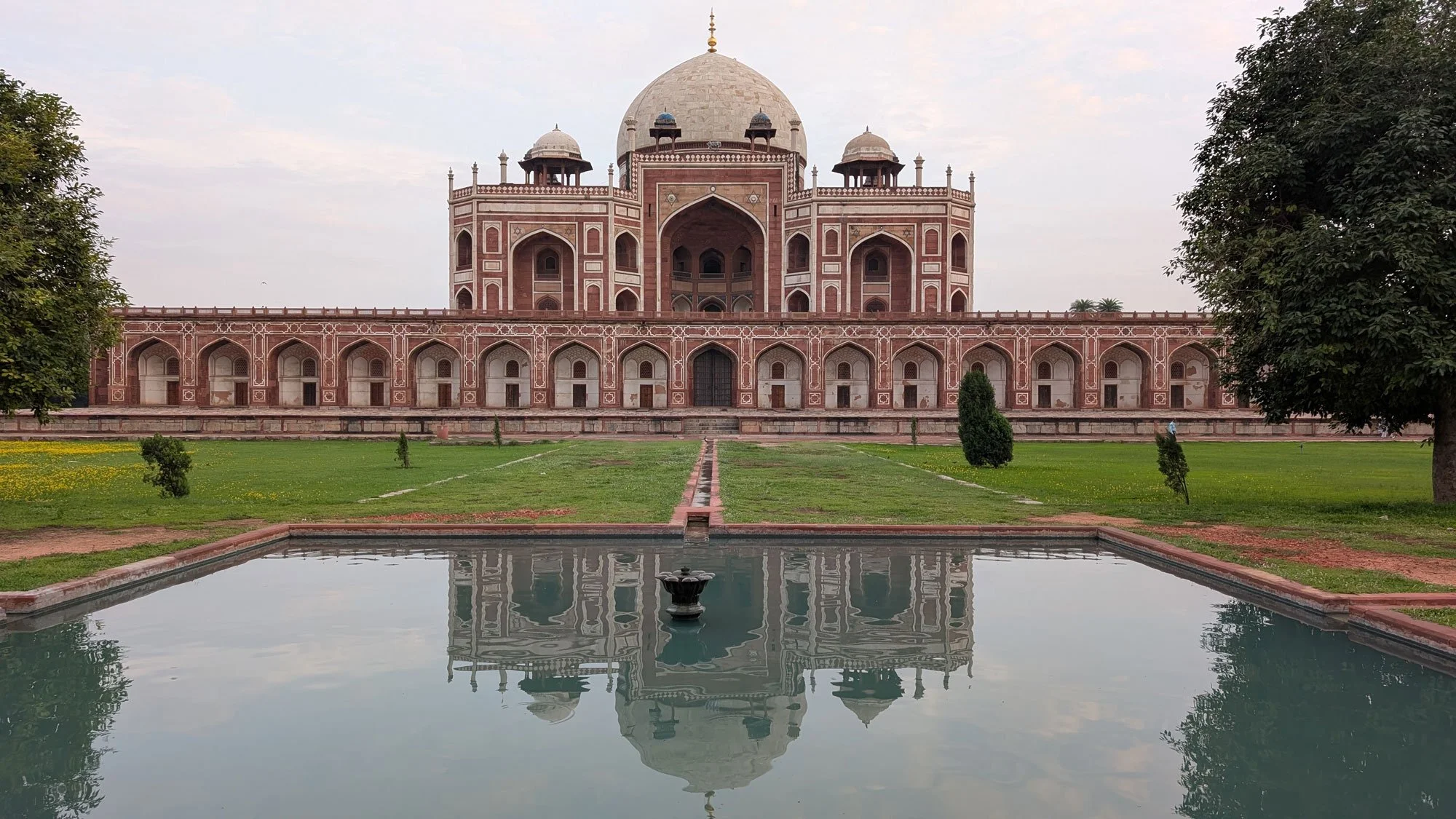


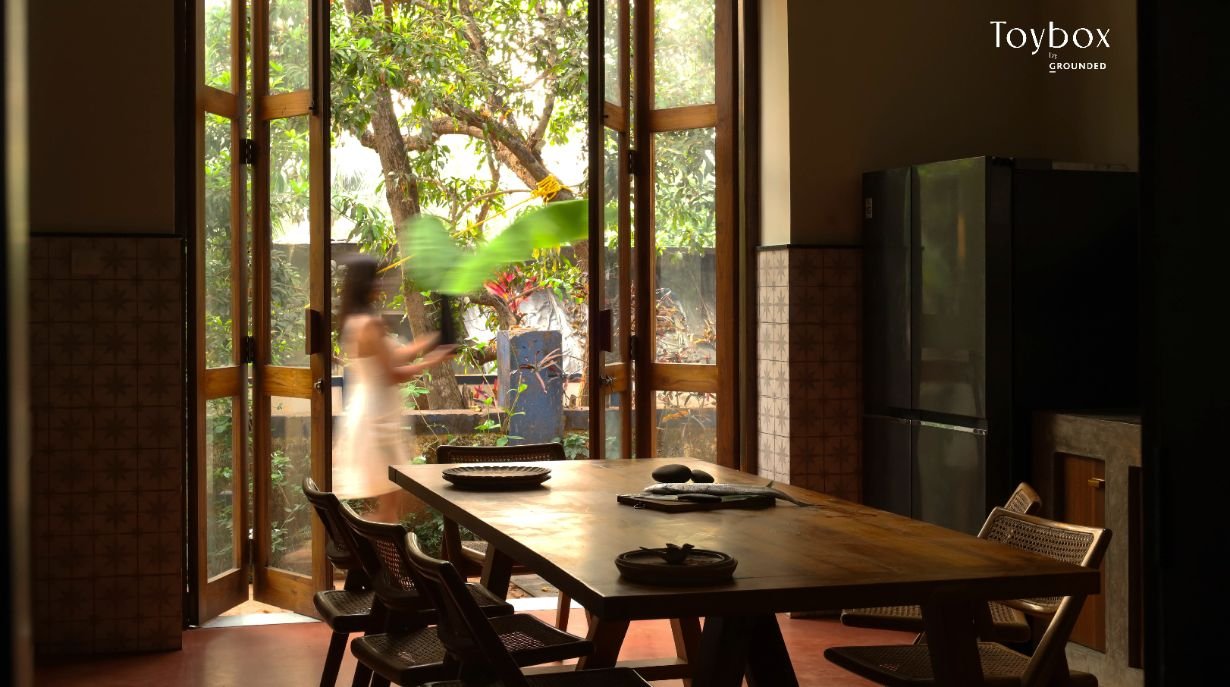
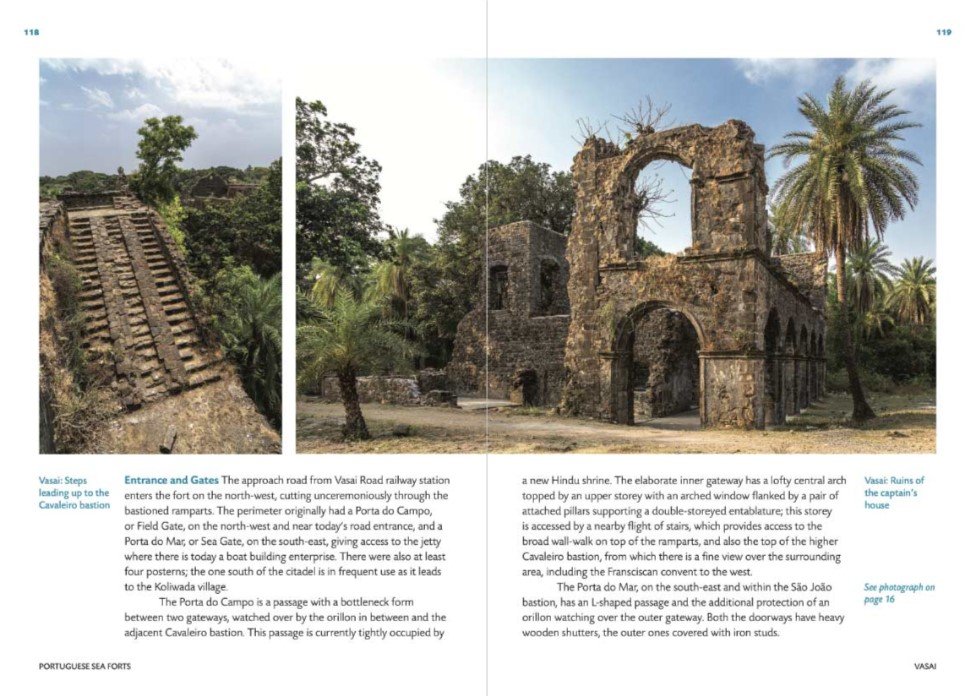


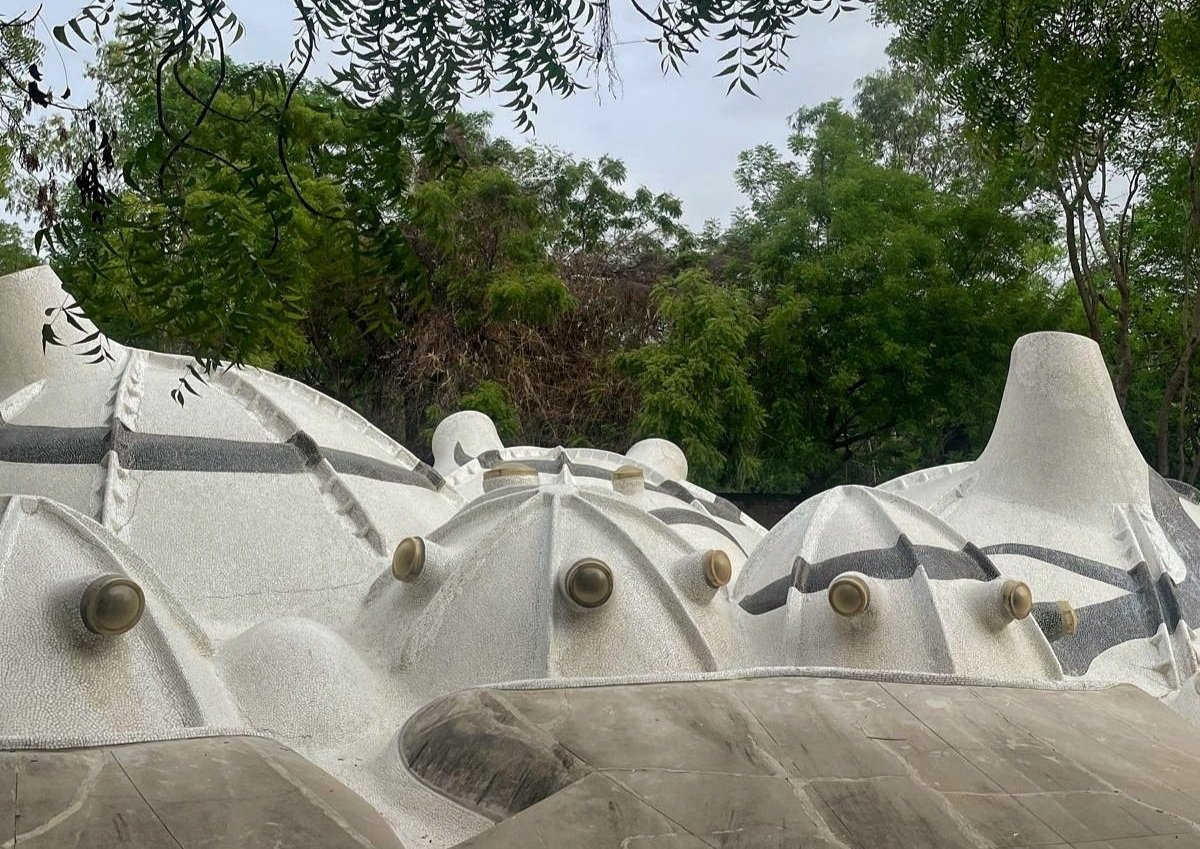

I was invited by India Today Home to create a Masterclass for their readers during this lockdown. I recorded a session detailing how one can adapt the principles of Japanese Minimalism in the design of one’s home.
I chose two real-life examples by two contemporary architects I admire- Bijoy Jain and Kengo Kuma- to demonstrate how this has been achieved in their projects. Watch the video here, that has been reposted from India Today Home. This was something I really enjoyed making.
Read On
This Is Epic


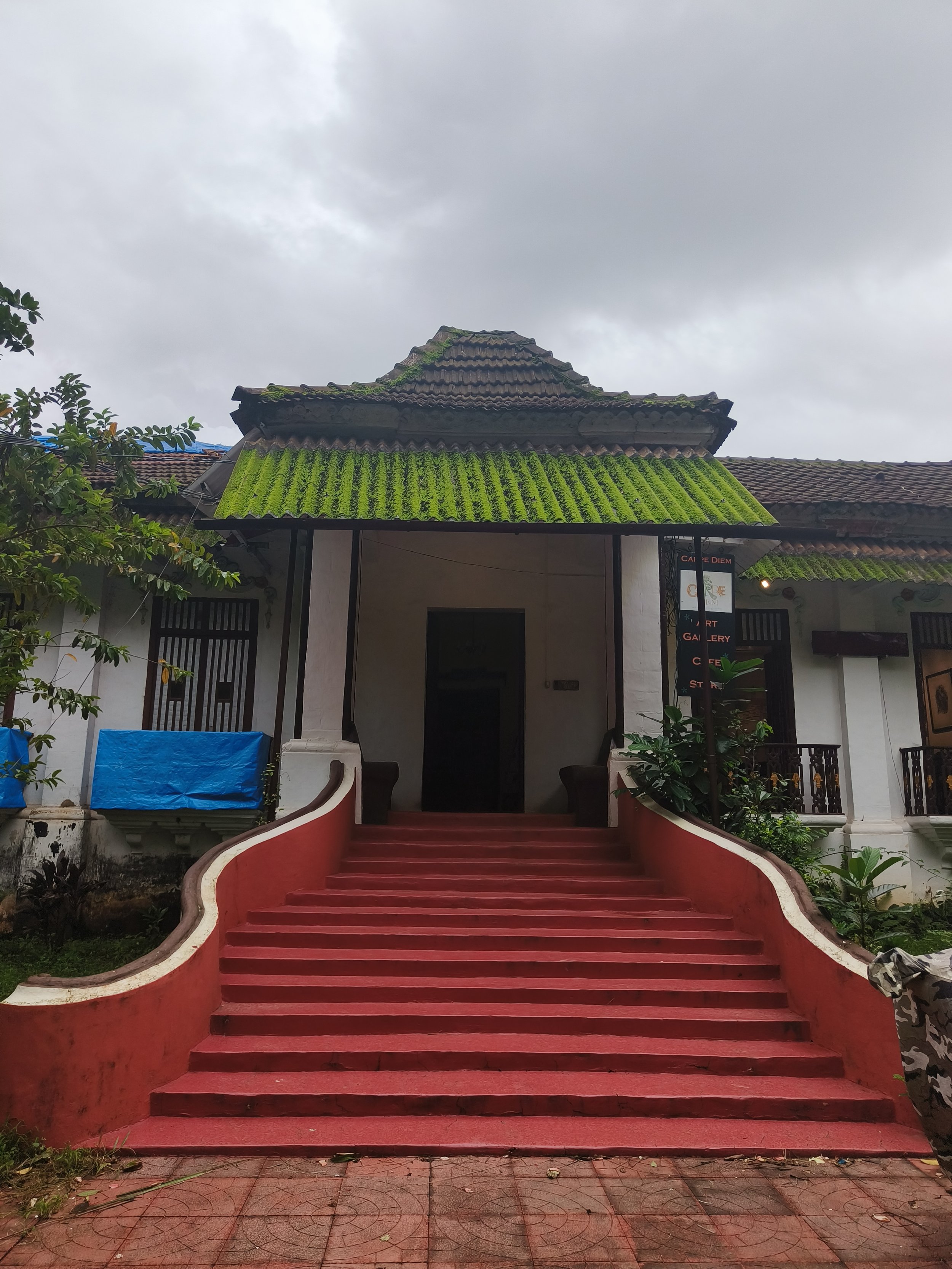


Bathroom at Neemrana Fort Palace. Photography by Anjali Mangalgiri.
The first picture is of the famous ‘Loo With a view' at the Neemrana Fort Palace. Some 25 years back, I had interned with an architect on a design job at the Neemrana Fort Palace. Along with the gorgeousness of the palace hotel, the super attention to every detail in design, construction and finishes, the 'loo with the view' left a deep impression on my mind. It illustrates the fun in architecture and represents the luxury of living away from the swarming crowds and making everyday moments grander, exciting, liberating and inspiring. The second and third picture is from Navovado and the fourth is the view from the bathroom at our ongoing project House with Three Pavilions.


A powder room in Navovado. Photography by Sanjeet Wahi.

An ongoing project in House with Three Pavilions. Photography by Sanjeet Wahi.
Read On
This Is Epic



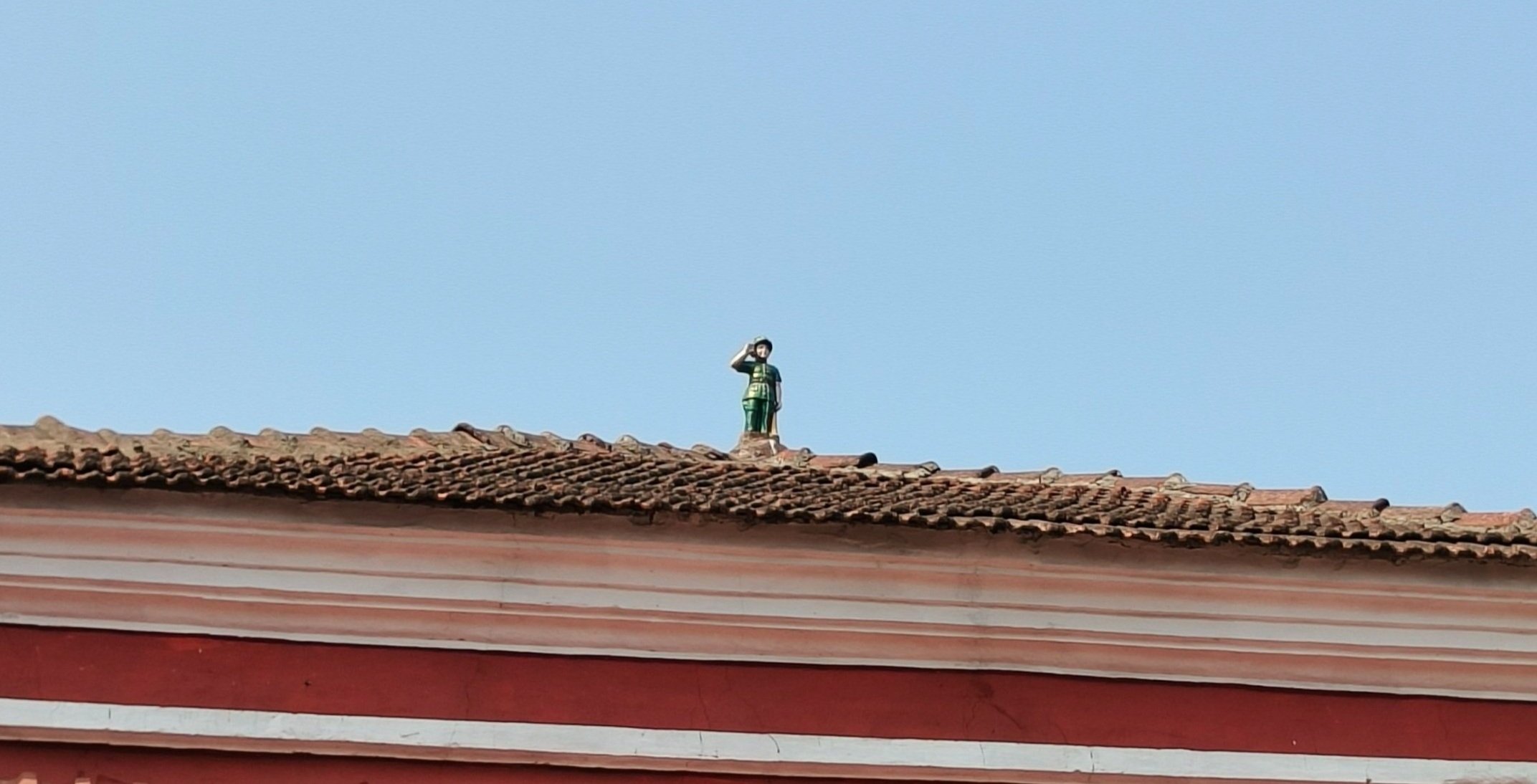

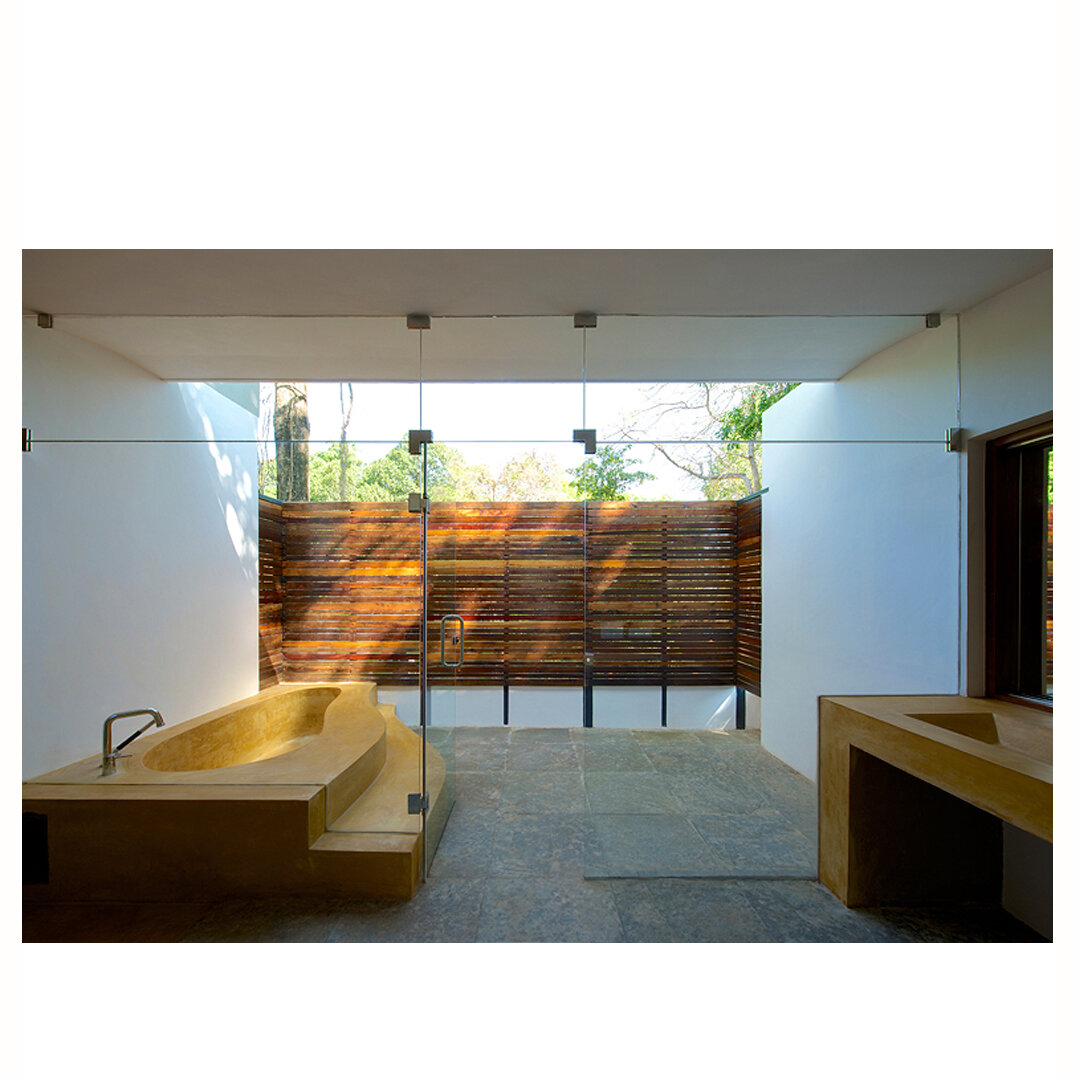
Bathroom at Nivim. Photography by Sanjeet Wahi.
Bathrooms are such a neglected subject in the design-build process. To view this space as a sanctuary, a place to retreat to after the chaos of the workday has passed, that has been the inspiration behind designing the bathrooms in all our projects. The above image is a bathroom from Nivim with sunlight pouring in.

A powder room in Navovado. Photography by Sanjeet Wahi.

A guest bathroom in Nivim. Photography by Sanjeet Wahi.

The master bathroom in Navovado. Photography by Sanjeet Wahi.

The master bathroom in Nivim. Photography by Sanjeet Wahi.
Read On
Featured

Part 2 in ‘Designing a Home in Goa’ Series.
In my mind, the main reason for people from cities yearning for a house in Goa and the resort-style lifestyle it offers is to reconnect with nature, to be outdoors and breath the fresh air; to observe the subtleties of light during the day, changing of seasons, the evening breeze from the sea and the smell of rain; all the finer things in life that make us wannabe poets and bards.
A house in Goa hence must be designed to allow for outdoor living, where most of one’s daily activities can be carried out in verandahs. Verandahs are spectacular spaces that transition between the indoor and outdoor. We absolutely love incorporating verandahs in our houses in Goa. When verandahs wrap around rooms, they also offer weather protection to the openings in the rooms. When verandahs are planned in different parts of the house, they become spaces to enjoy at different times of the day and in different seasons. Deep long verandahs are the perfect venue for morning yoga practice, lazy afternoons, and cocktails and conversations with friends in the evenings.
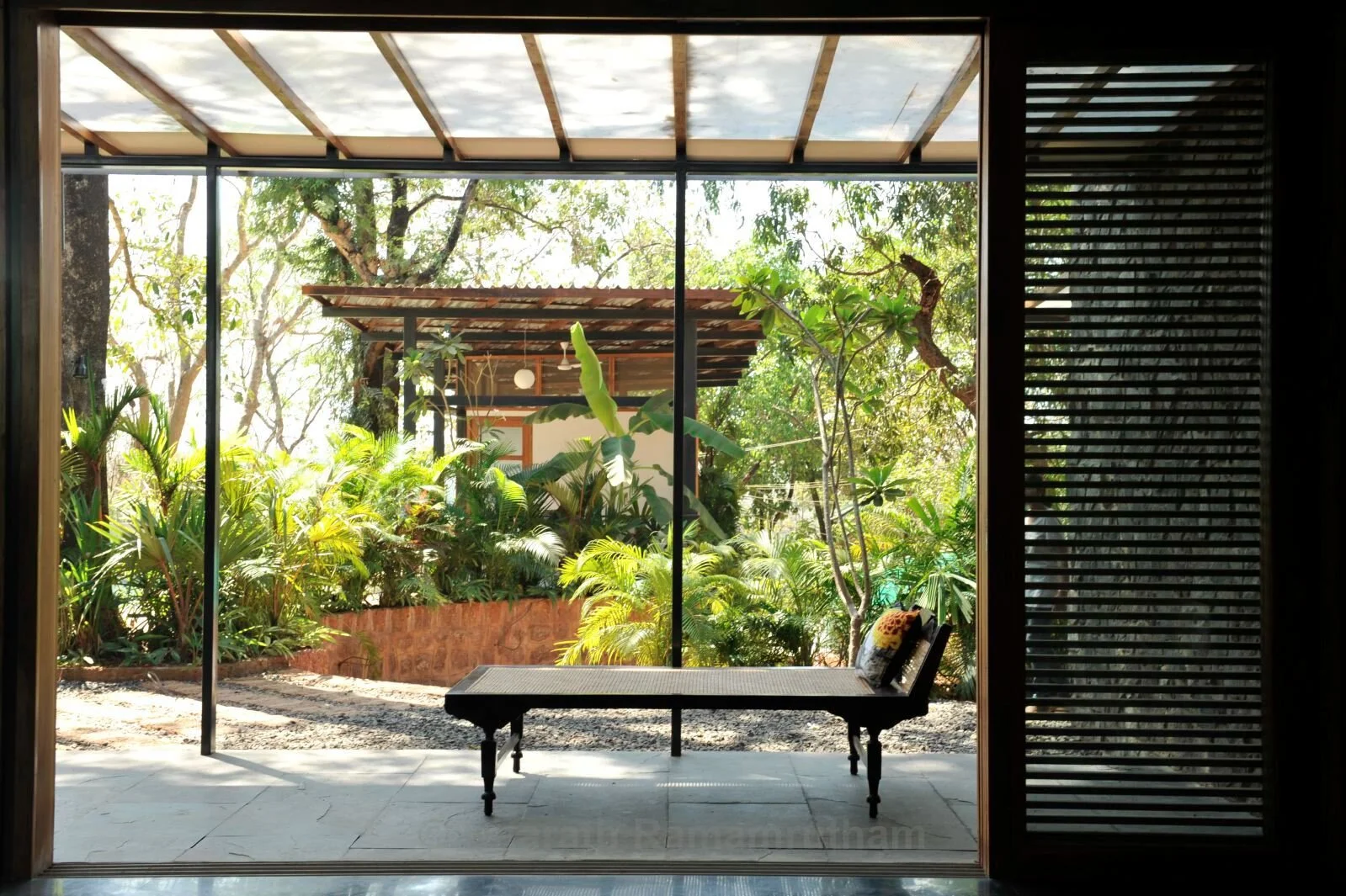
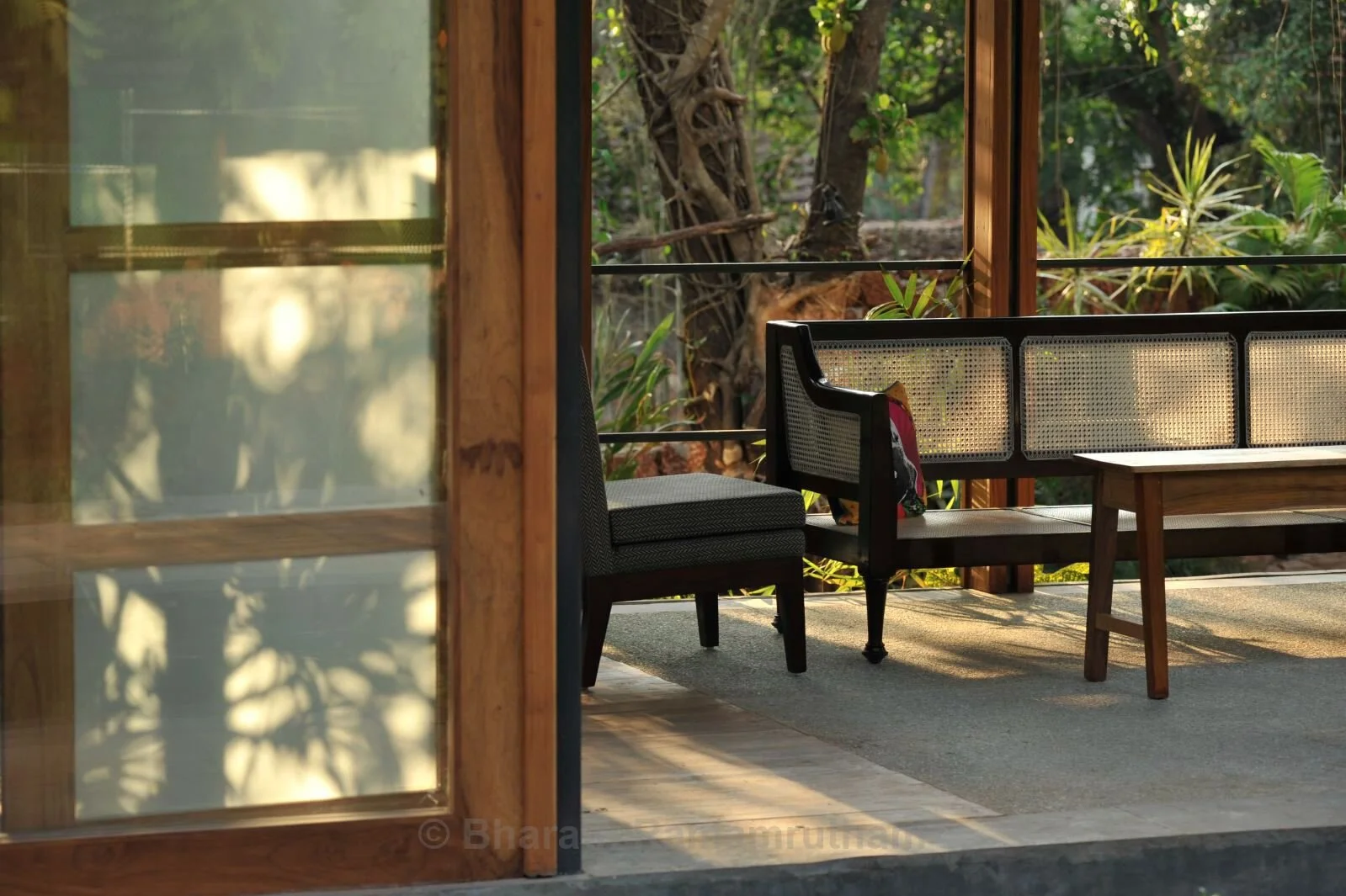
Verandahs at Nivim. Photography by Bharath Ramamrutham.
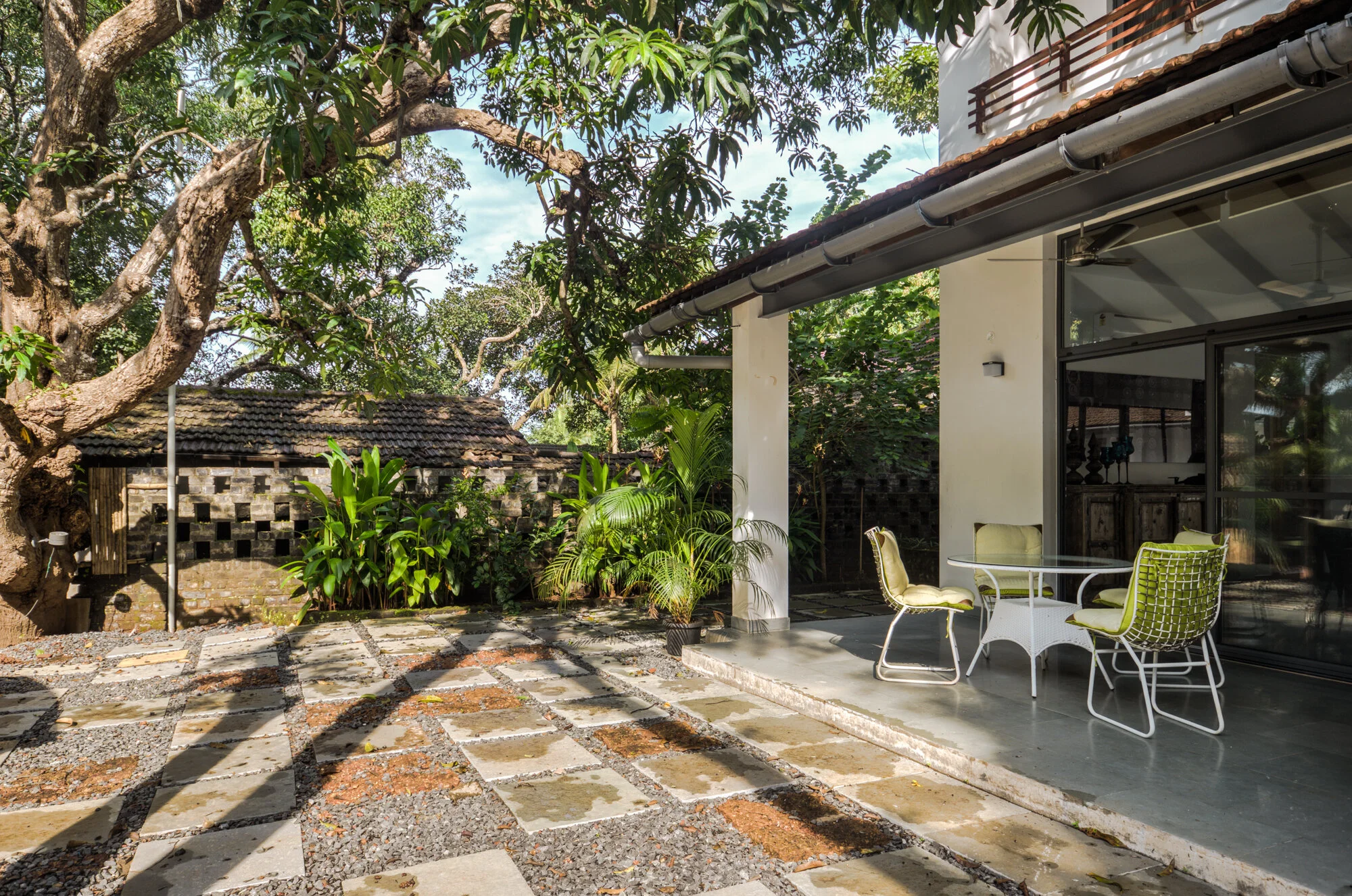
Verandah at Navovado. Photography by Sanjeet Wahi.
This is the second post on our series on ‘Design house in Goa’. In the first part of the series, we spoke about designing spaces where the indoor and the outdoor blend seamlessly to offer a sublime living experience.
Read On


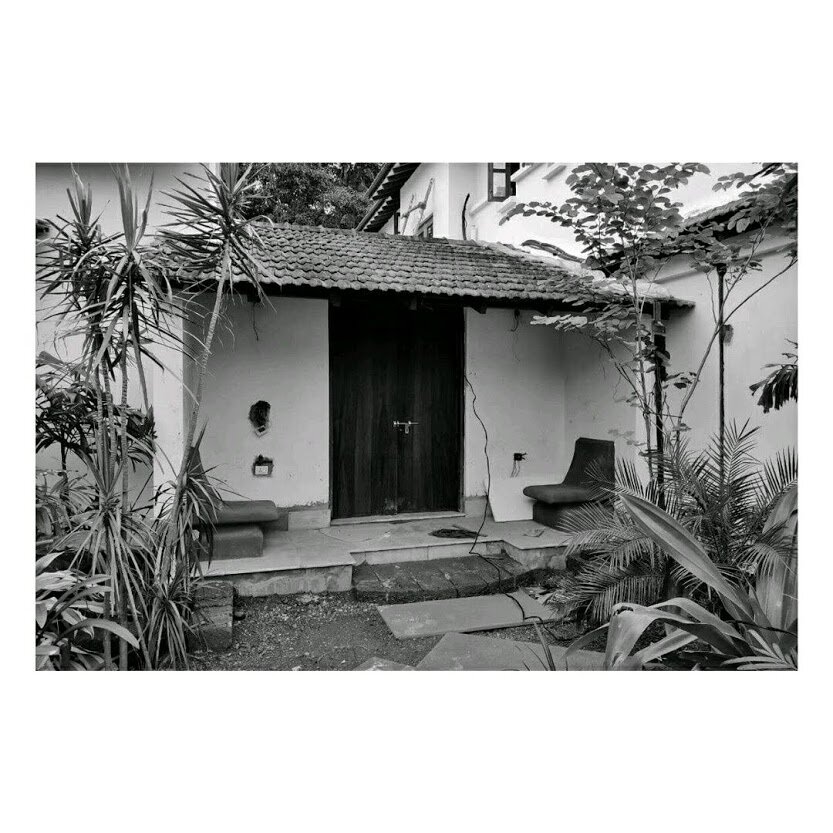
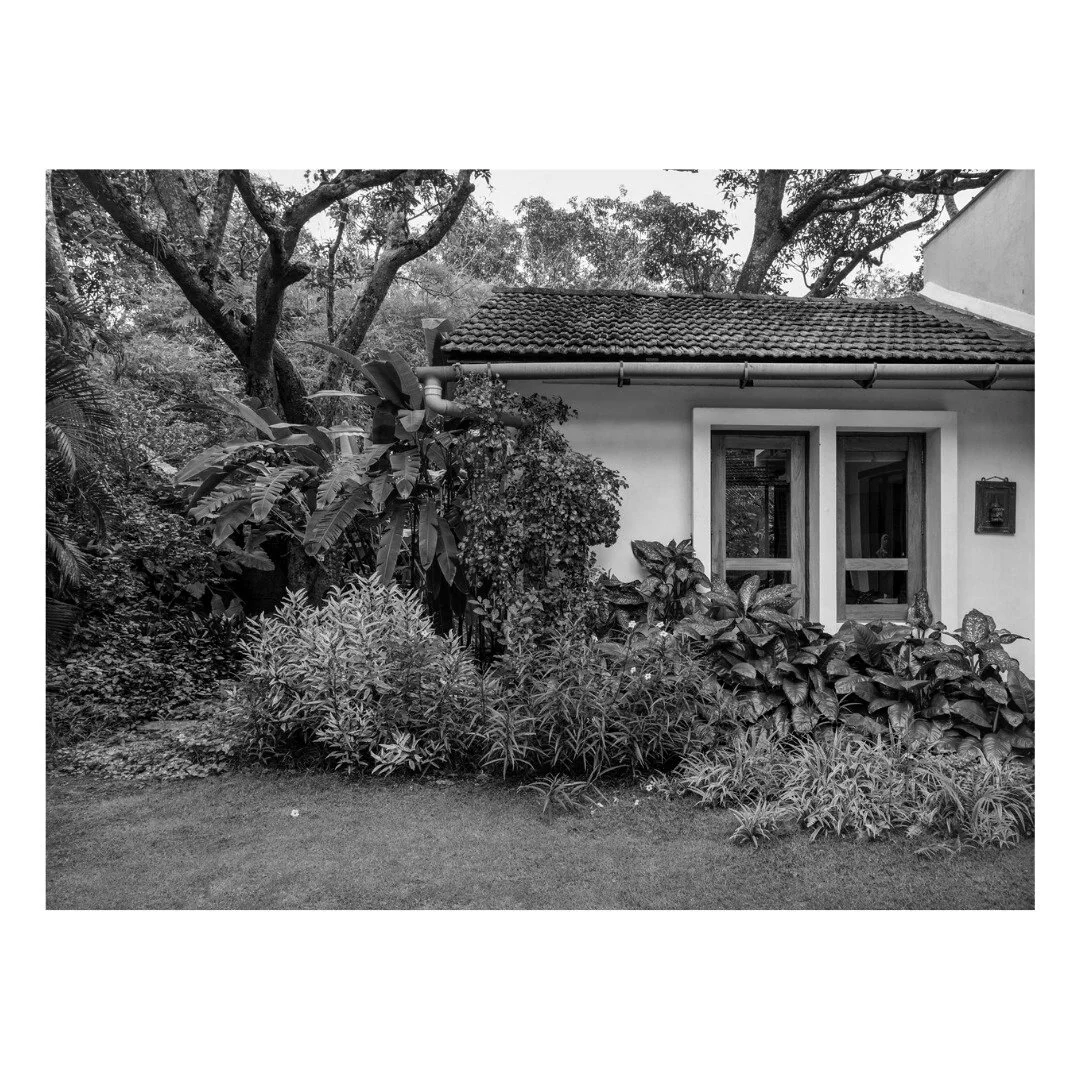
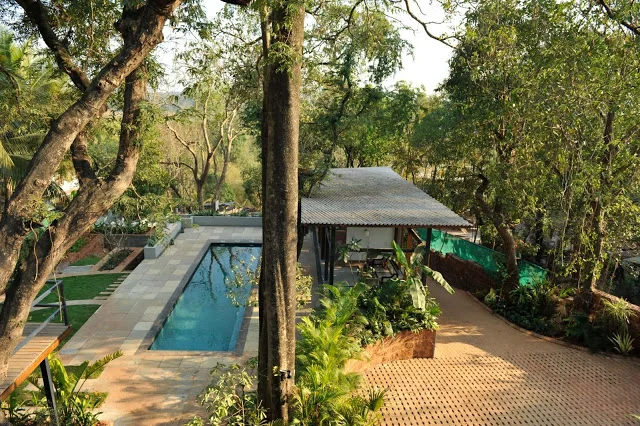

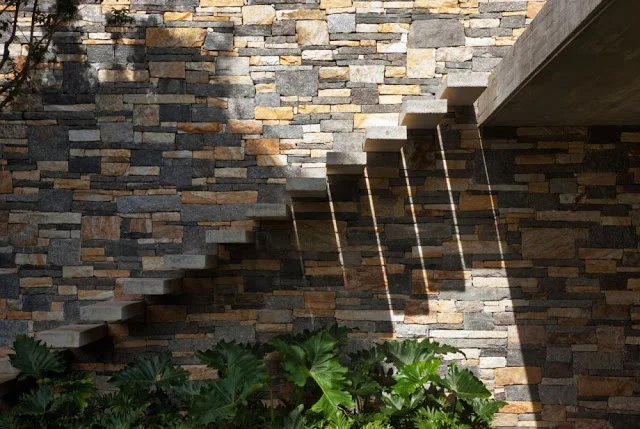
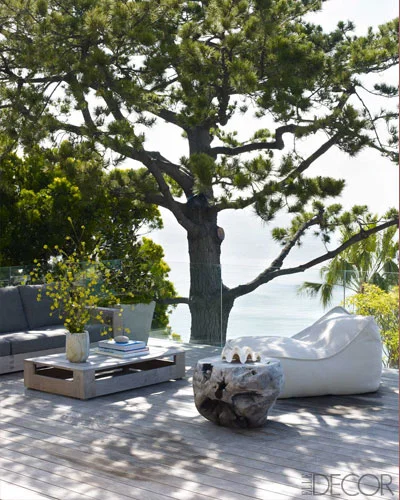
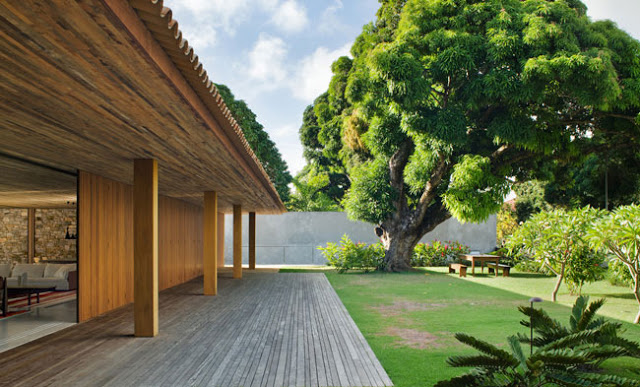
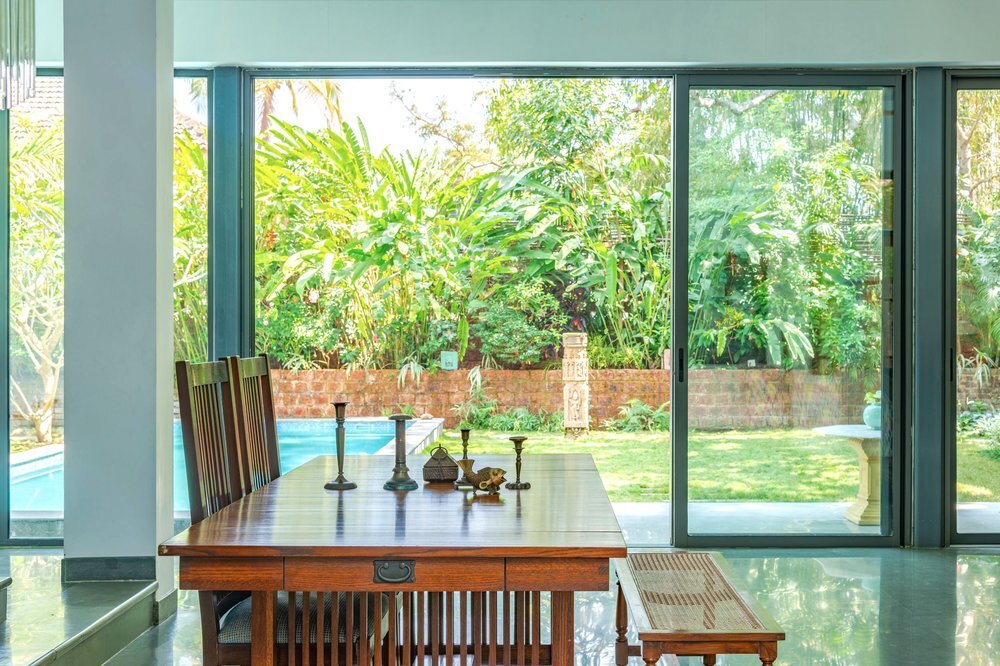
Starting a new series on the blog today on ‘Designing a House in Goa’. Here we will outline some of the ideas and concepts that we have used over and over in projects which we believe are key to achieving the resort-style lifestyle desired and offered by these lovely houses in Goa.
This is a follow up on our previous post on ‘What to Look for when buying a House in Goa’.
First and foremost, create indoor-outdoor spaces that blend seamlessly together. By that we mean:
Design indoor spaces that are flanked by generous outdoor spaces in the form of verandahs and courtyards.
Introduce large openings in between these indoor and outdoor spaces which can be opened up to connect the two spaces to allow them to function as one space.
The openings should be designed to frame views and focus on key natural elements on the site, such as an existing tree, water feature, rocky outcrop, and/ or the views offered by the site.
Plan openings on at least two walls within a room to allow for easy cross ventilation and try to align the openings to the wind direction on the site.
We also like to use the same finish in the indoor and outdoor space, once again connecting them visually and making them appear as one contiguous space.
Plan for doors with mosquito nets to keep the bugs and creepy crawlies out. This is a very important element that allows for a comfortable use of a Goan home specially in the evenings and during the monsoon.


Images from Navovado. Photography by Sanjeet Wahi
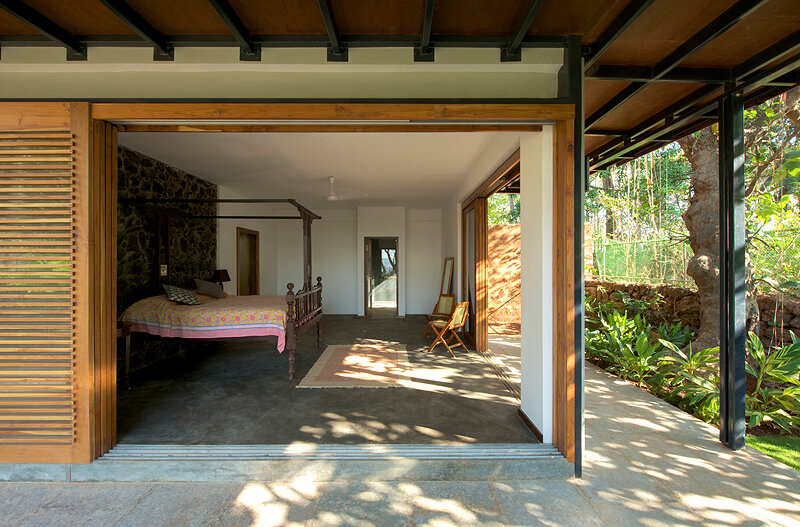
Photograph (above) from Nivim. Photography by Bharath Ramamrutham.
Partner Content : How to Create an Indoor/Outdoor Space That’s Fun and Functional has some great ideas on creating outdoor spaces for different activities. Their post will help you style your outdoor spaces with the right decor, lighting, furniture and much more.
Read On
Featured
I was in Bangkok recently and following Pallavi's recommendation, I visited the Jim Thompson House.
Jim Thompson, an American architect who settled in Thailand after the World War II became a very successful silk trader and a celebrity of sorts in Thailand. His house in Bangkok is a collection of 4-5 original Thai wooden homes that he brought from villages and re-reconstructed on the current site in Bangkok.
The wood used to build the houses gives an incredible amount of warmth to the interior spaces. Walking on teak wood planks on the floor feel like walking on silk.

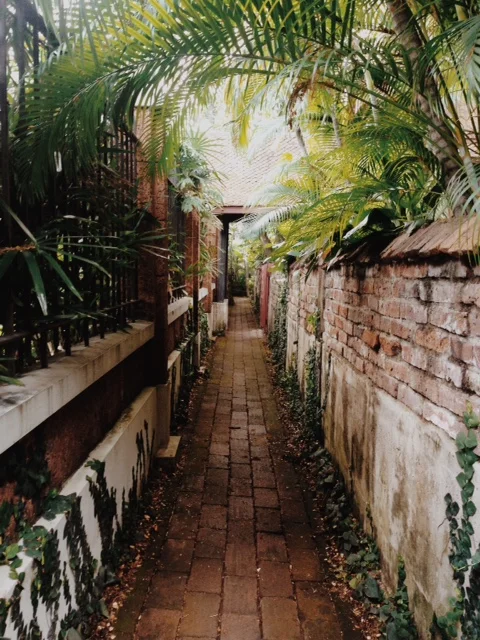
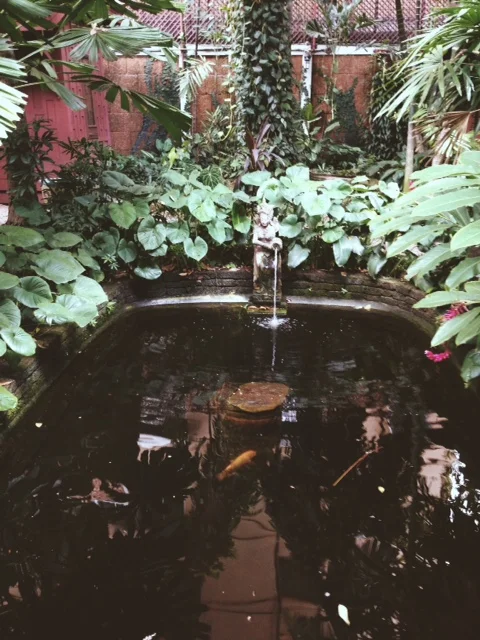
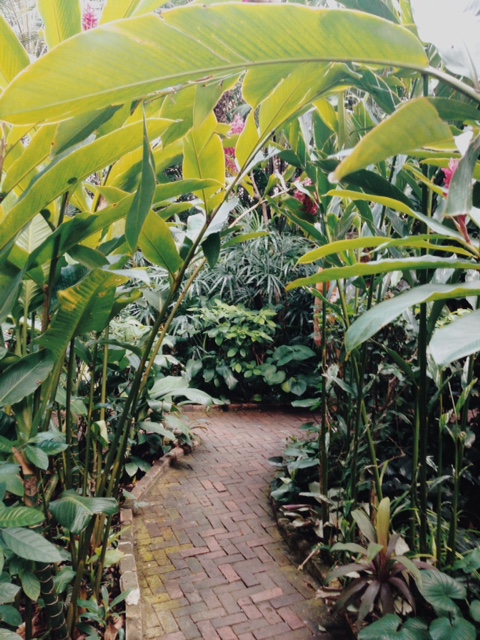


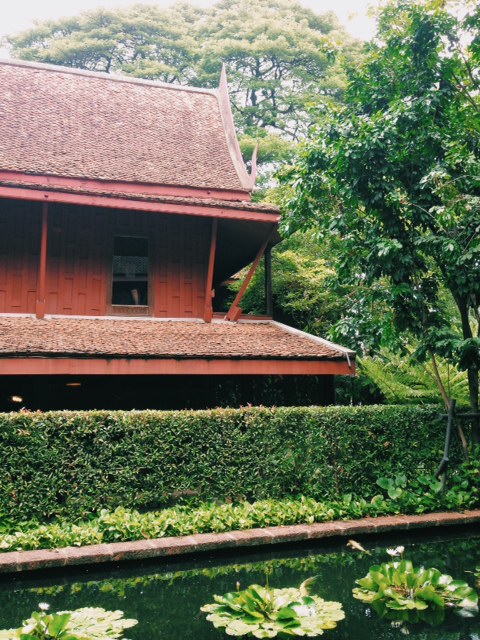


The landscape was the part that was most fascinating to me. In his original plan, he had planned for multiple courtyards, forecourts as well as a forest. There were lily ponds flanking the entrance courtyard which led to the forest, a tropical forest with meandering path ways and a little hidden pond with a tiny fountain. I loved the meditative quality of the forest space the most. I loved the treasures tucked away, where you could hear the water but not see the pond until you arrived right in front of it. At every corner, there was something new to admire, a new type of flower, a new fragrance coming from somewhere, a stone antique or a partial view of the house or another courtyard.
The art of architecture, when done right can engage all the senses at once. A prime example of space bringing happiness...

For Singapore Design Week, I joined a group of design lovers to tour design significant buildings in Singapore.
I was bowled over when I walked into 145 Neil Road, a traditional Peranakan shophouse that has been refurbished into a contemporary sequence of spaces dotted with traditional elements, rustic finishes, exposed concrete, large sliding doors with clear glass and light-filled courtyards. Great inspiration for our forthcoming projects!
Source for images: Spoonful of Home Design


