EPIC.png

This Is Epic

A curation of our design ideas and inspirations for houses in Goa, contemporary art and architecture.


Posts in Architecture
First Look - A Luxury House for Sale in Idyllic North Goa

We have some much-awaited news!

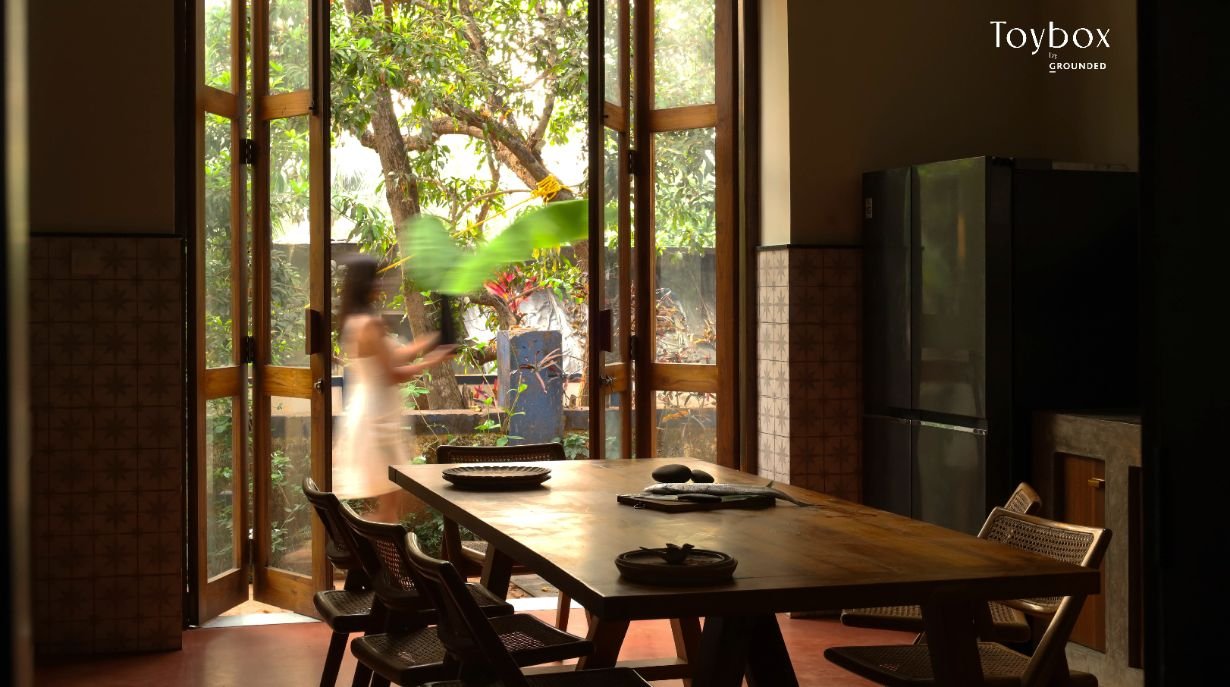
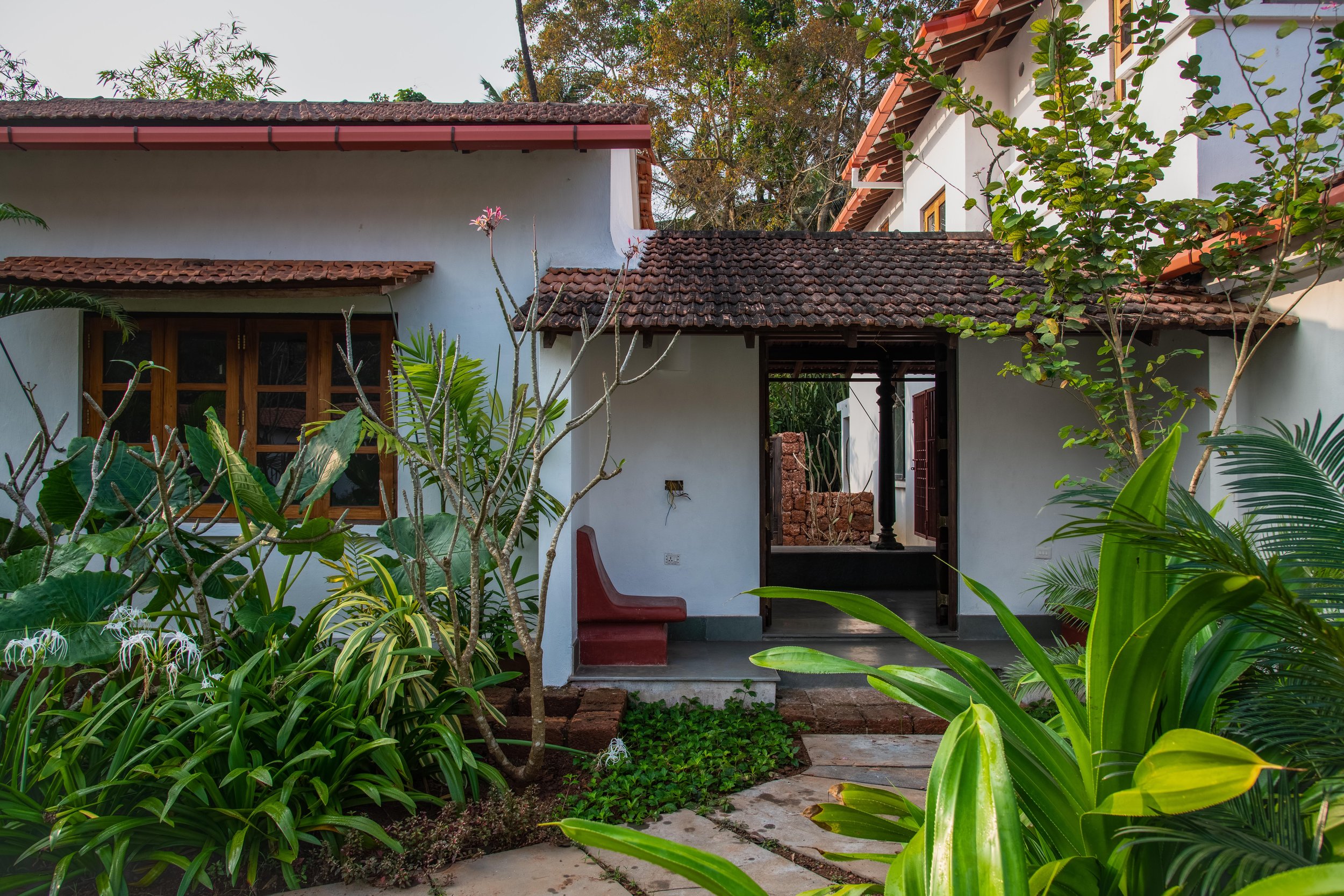
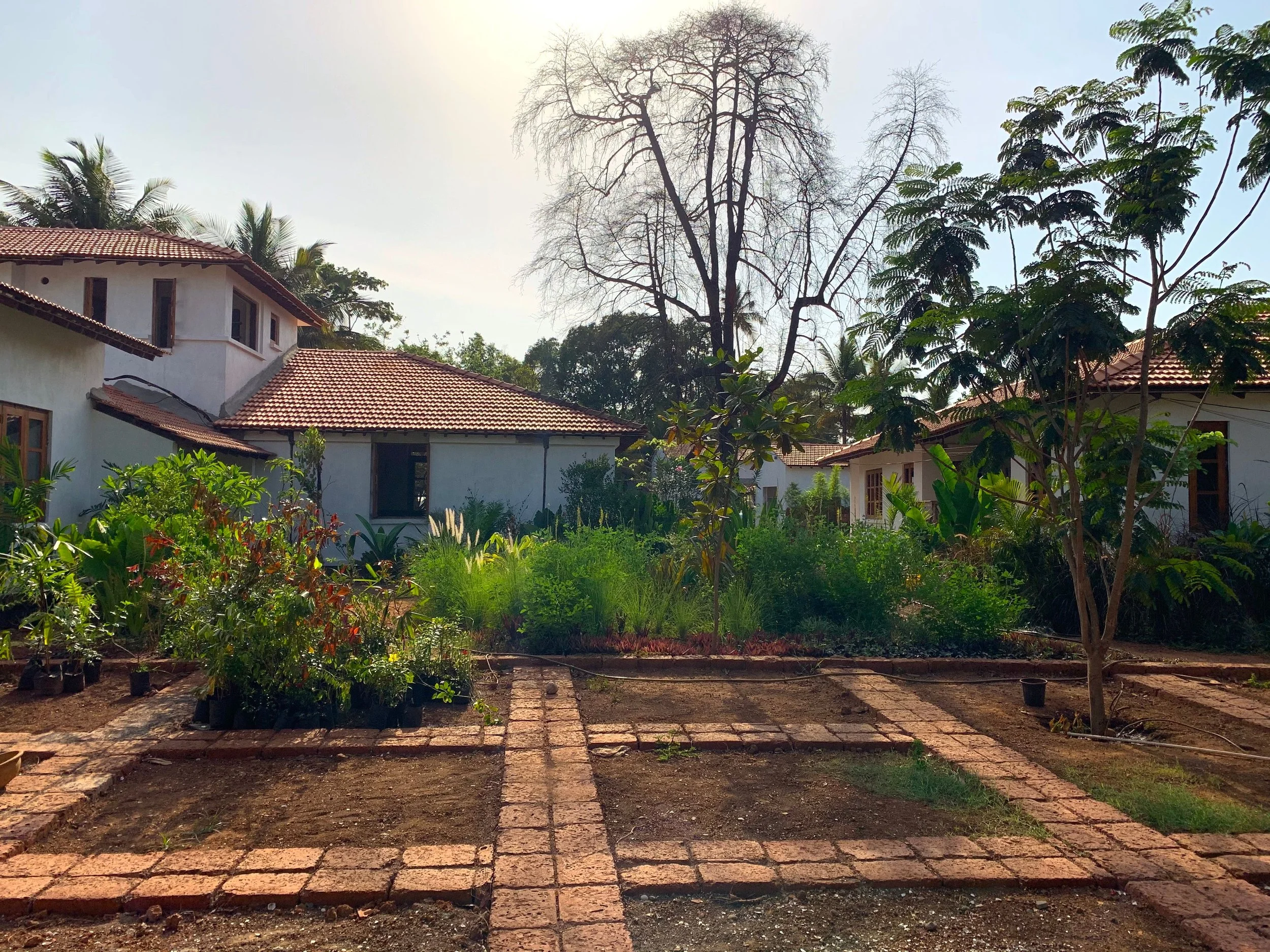
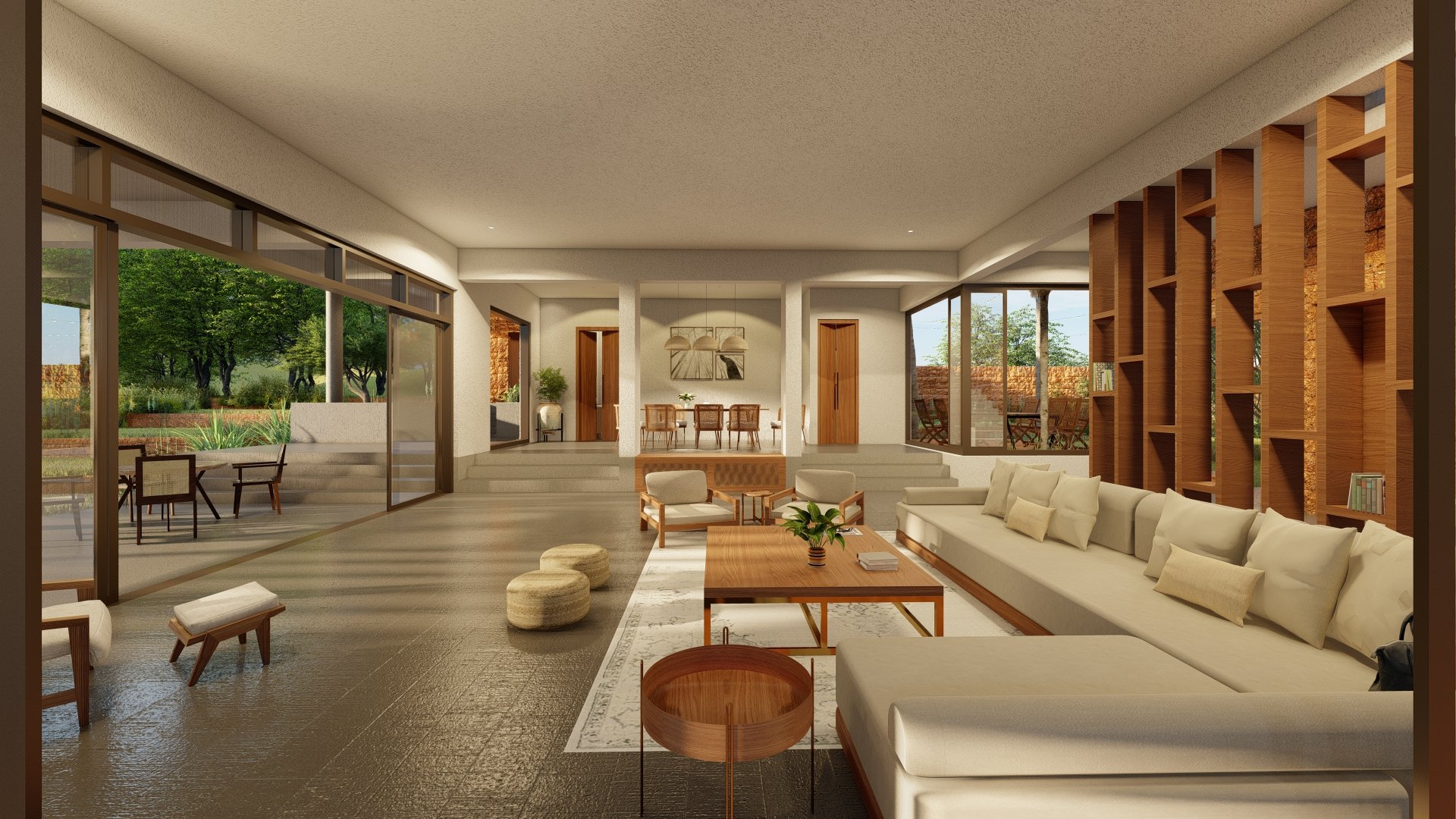
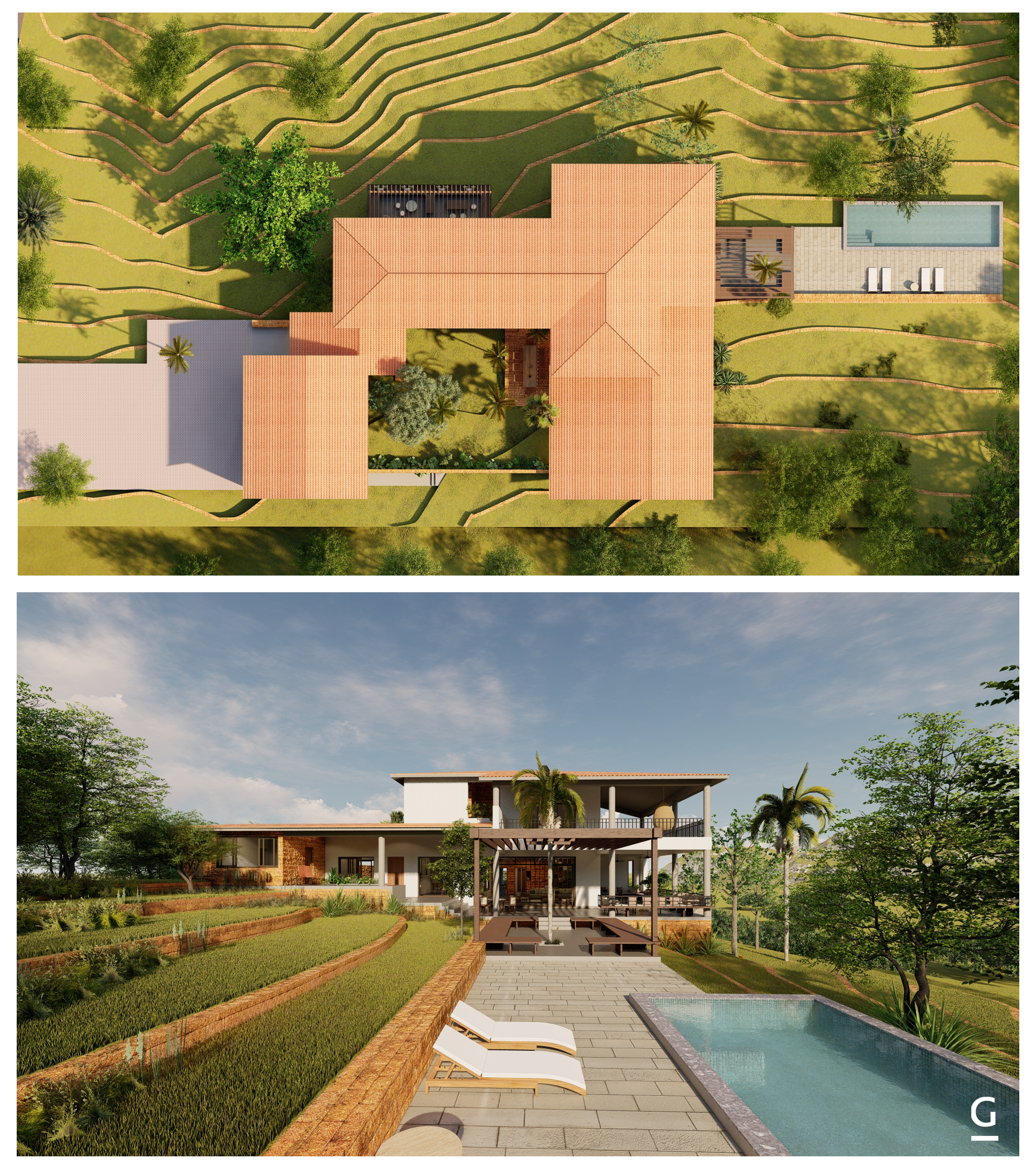
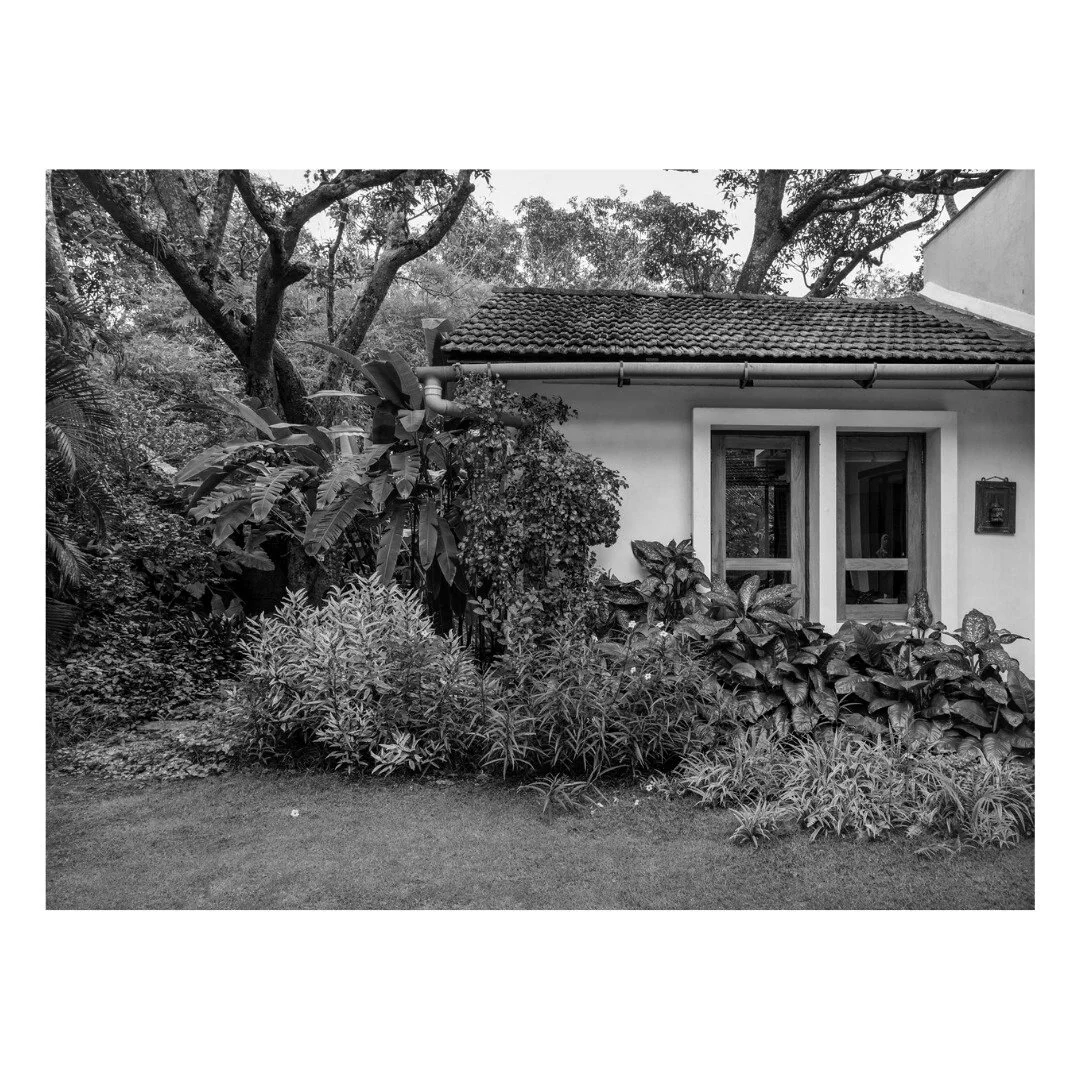
Grounded will soon be launching 2 new luxury villas for sale in North Goa. Set within beautiful Aldona, the house is surrounded by peaceful green vistas and the rustic charm of the Goan countryside. With expansive living spaces, intimate pockets that look out to the pool, and nearly 3500 sqft of open space, the house seeks to offer seamless indoor-outdoor living. Like all our other residential projects, the villas will be sustainable, architecturally relevant, and closely connected to nature.

To know more about the villas,
 
Finding Stillness in Utsav House

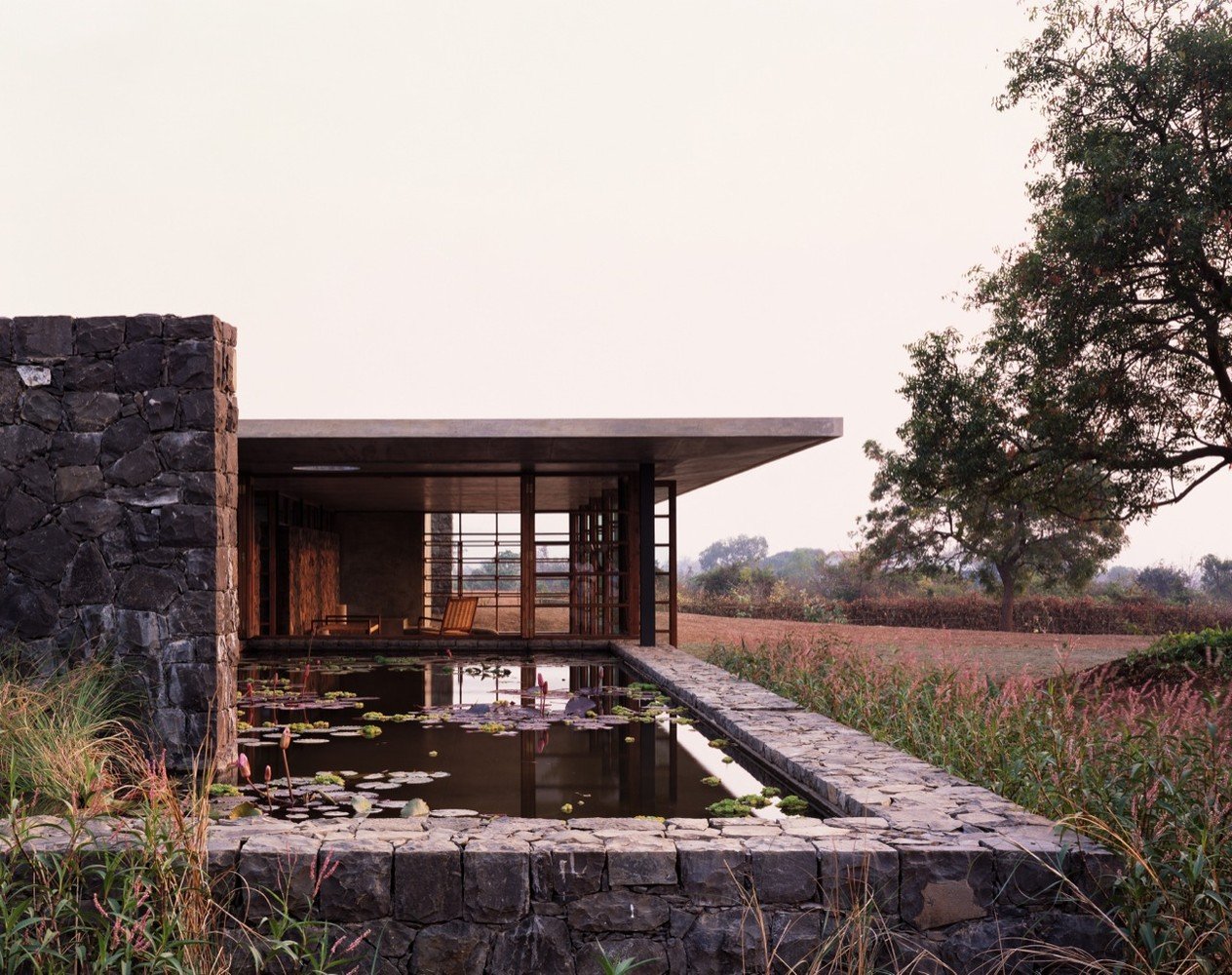
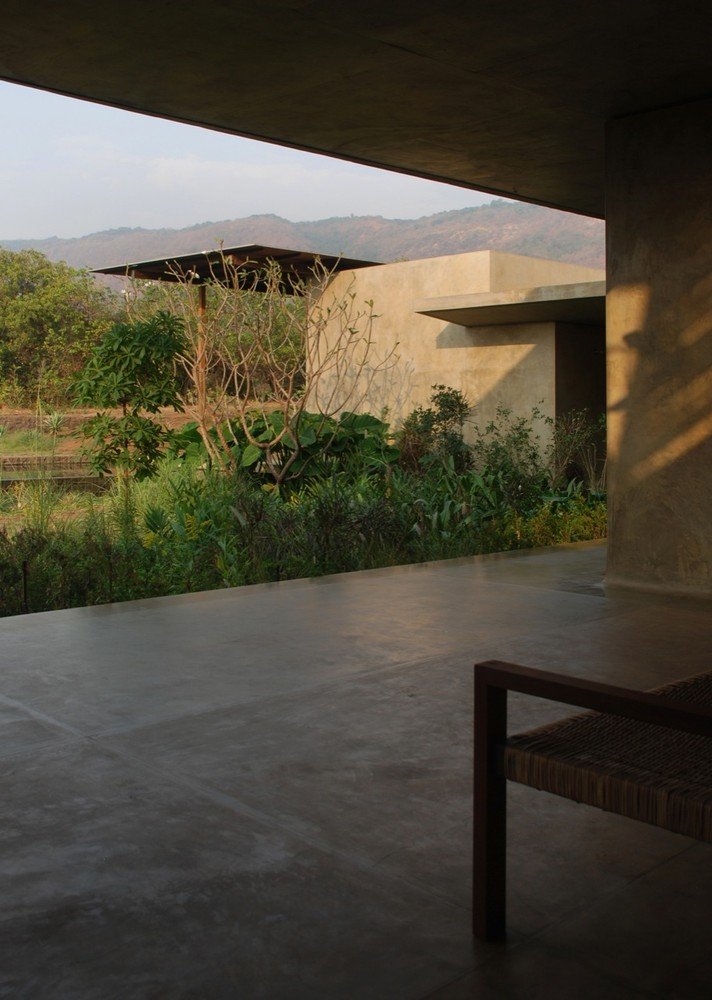
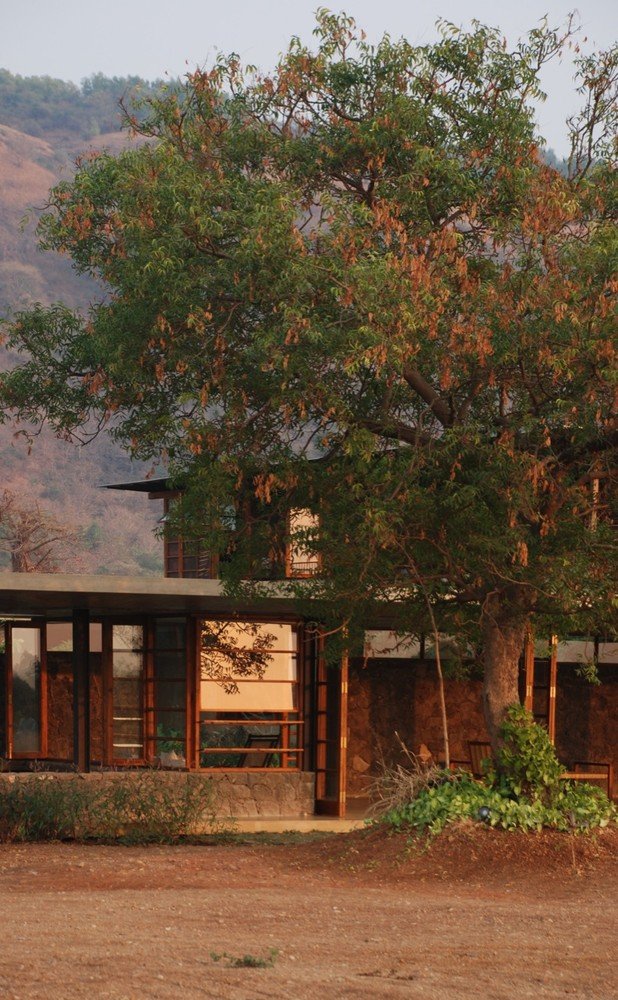
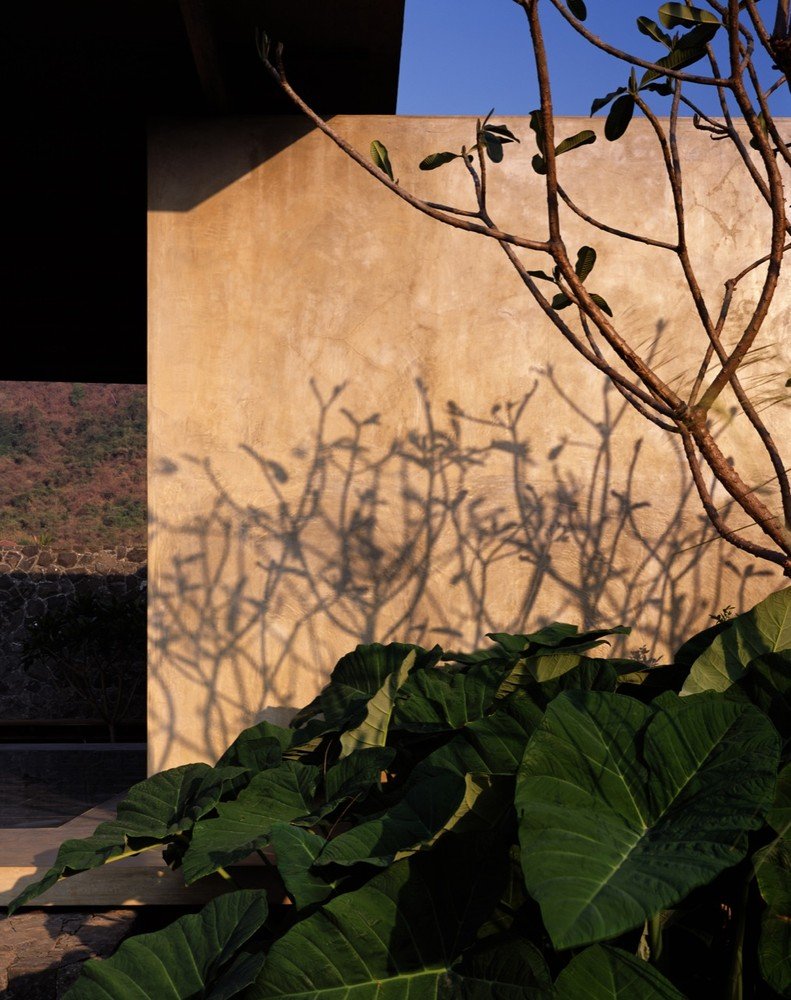
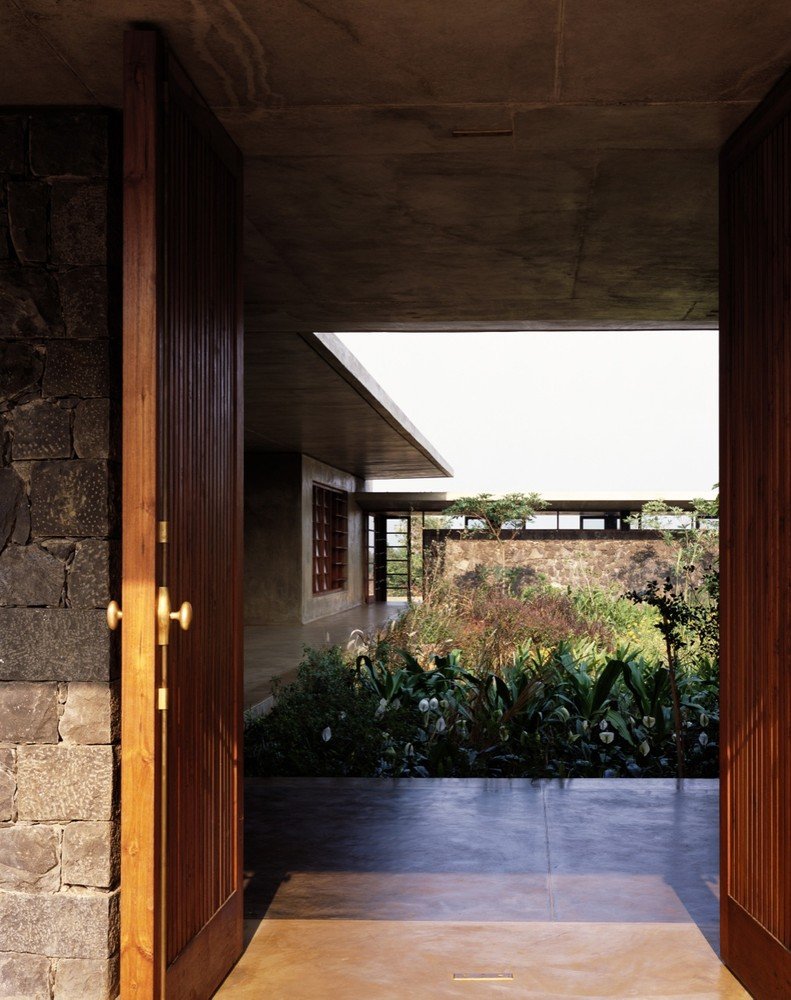
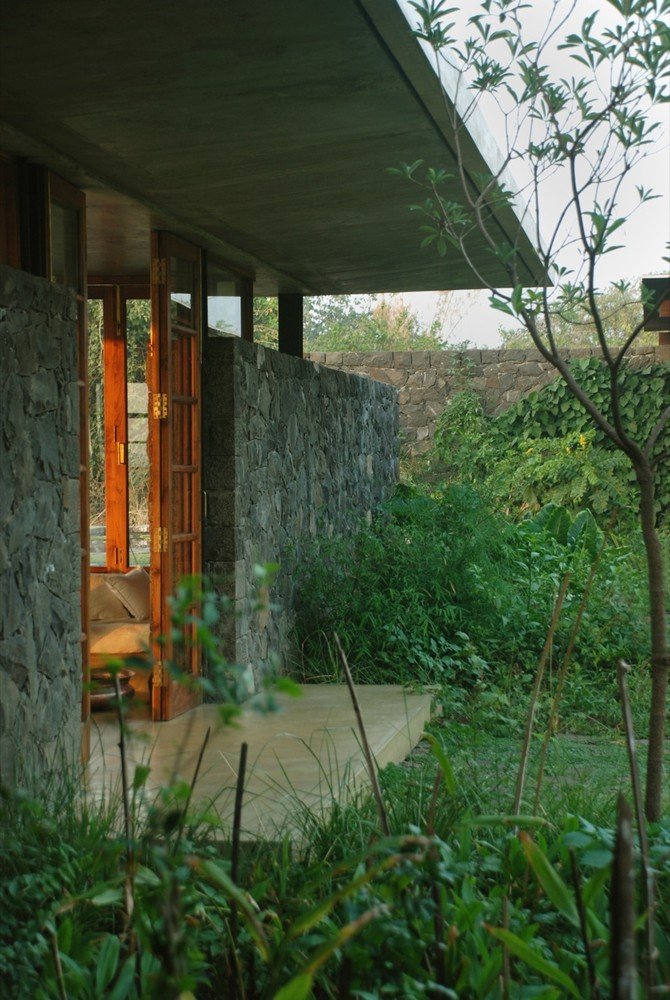
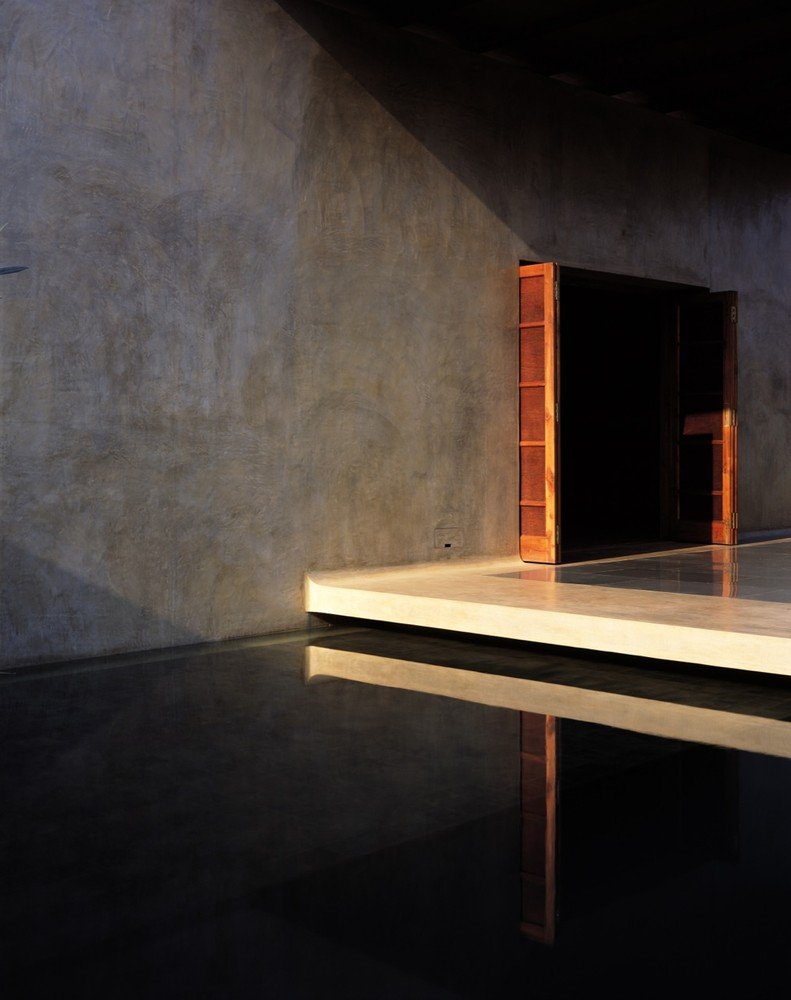
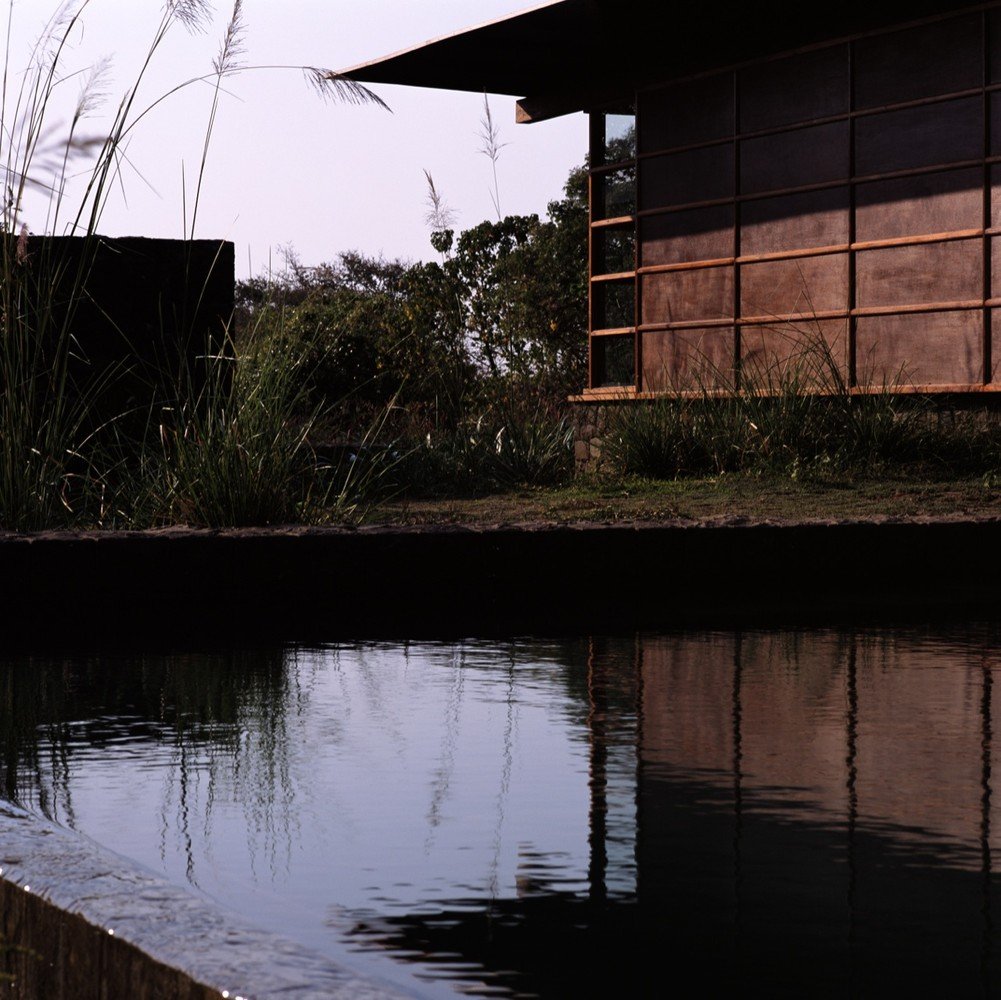
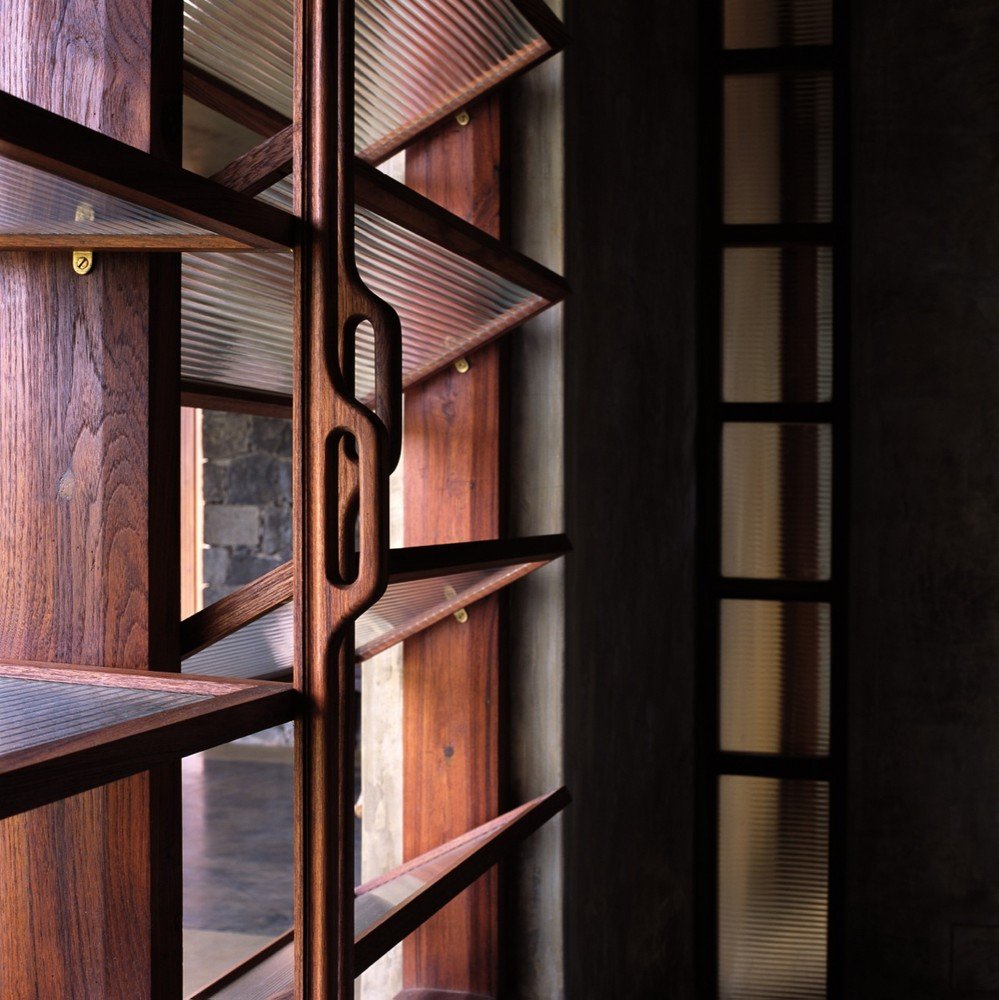
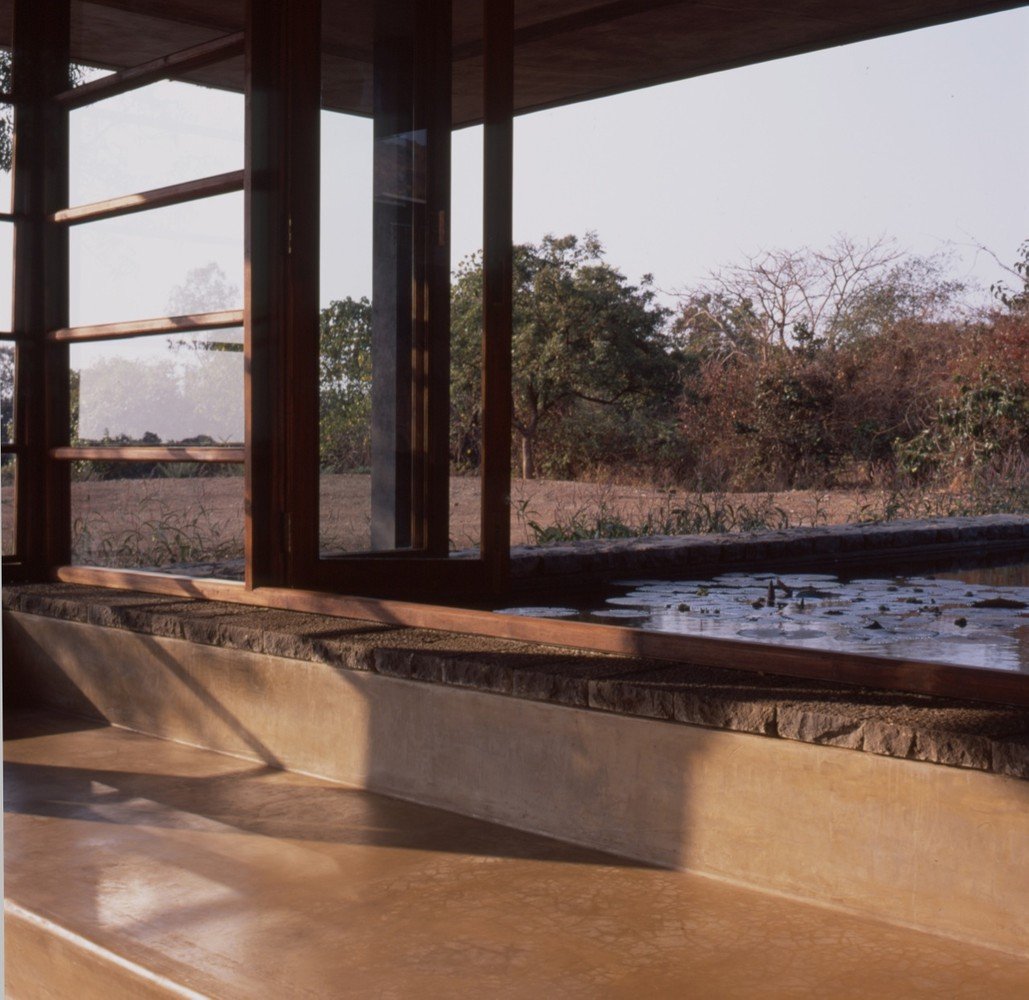
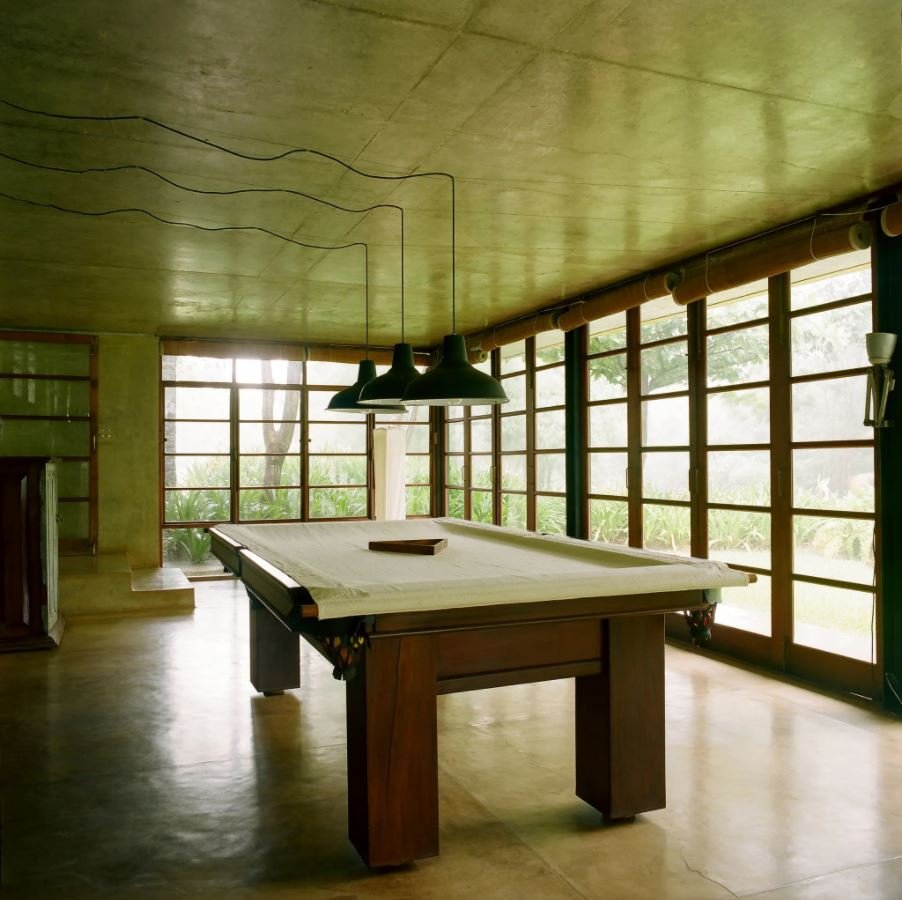
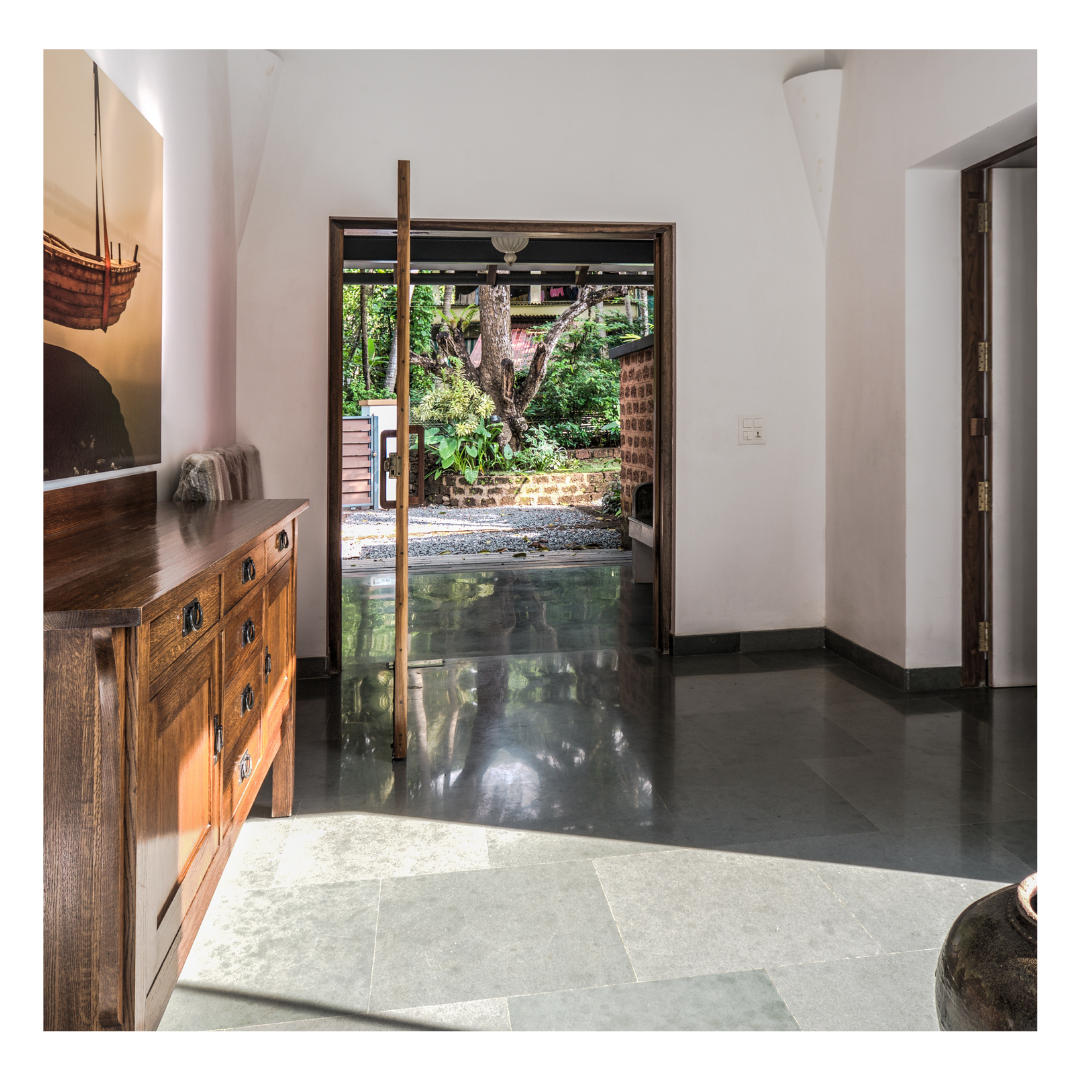
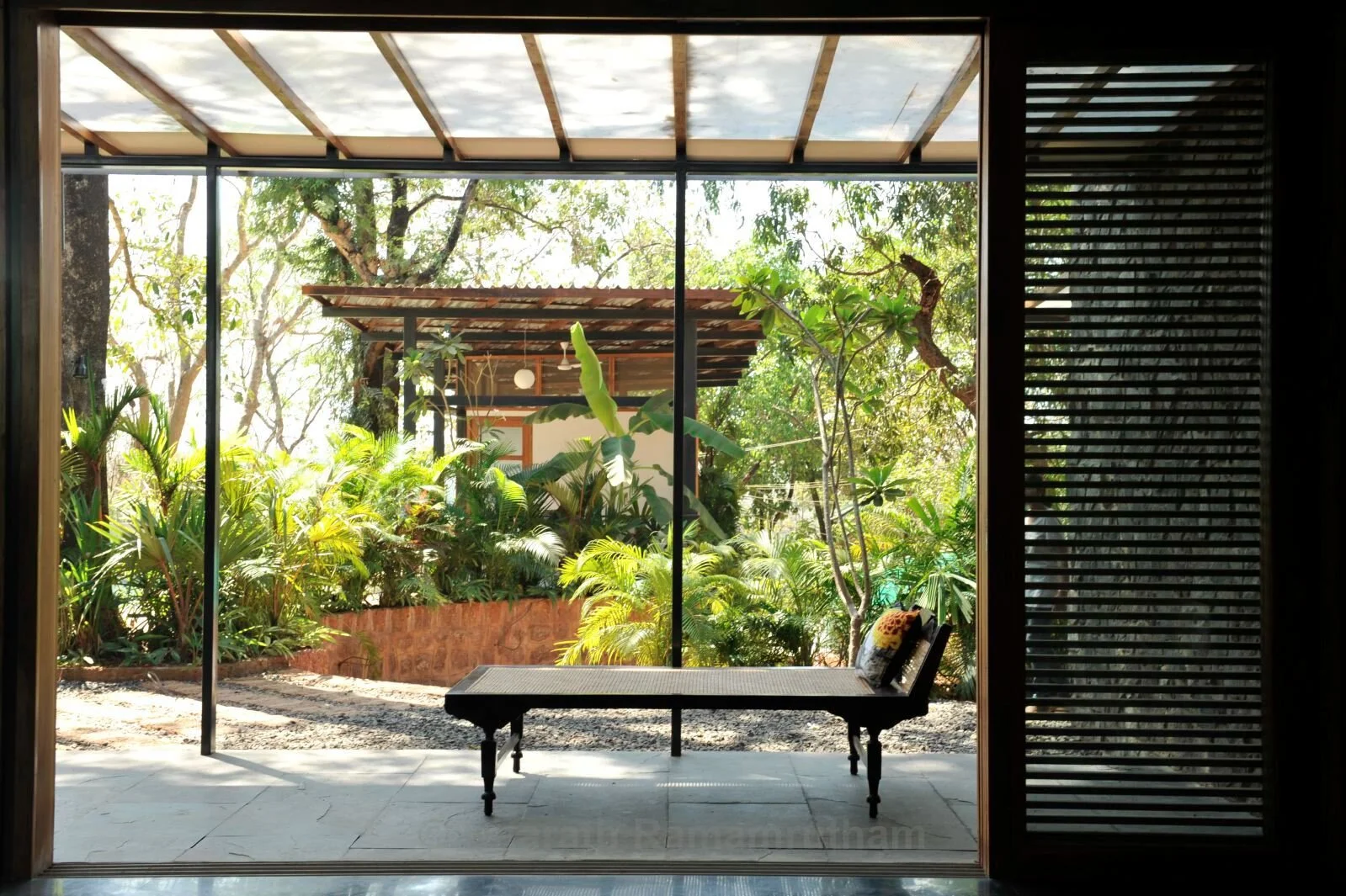
Utsav House by Studio Mumbai is a sanctuary of serenity. This elemental yet contemporary house in Alibag by architect Bijoy Jain sensitively makes room for intimate interactions with the surrounding greenery as it effortlessly bridges the indoor with the outdoor. The picturesque scenes and the connections to the tropical context resonate deeply with our values, the natural roots we turn to while designing and building houses in Goa. Built with locally available material and around numerous indigenous trees, Utsav House achieves poetic spaces that have a rustic simplicity without compromising on any of our modern creature comforts. Throughout, the focus is on intentional building and living, through architecture that takes cues respectfully from the terrain and landscapes around.

Visit our previous blogpost on Utsav House here.

Learn more about Bijoy Jain’s Kapadia House, that is now a popular AirBnB here.

5 Ways to Design For Earthy Luxury

Now that you've got this house in Goa, imagine all the things you can do with it to make it your sanctuary. The most wonderful thing about having a house in Goa is being able to enjoy the natural immersion and the seasonal indulgence that comes with it. To us, design is a direct way to enhance comfort, improve quality of living, and create richness in experience within every space.

Design can be simple but generous and luxurious when the right materials and strategies are used. Here are 5 effective ways to create rustic spaces that are designed for barefoot and earthy luxury.

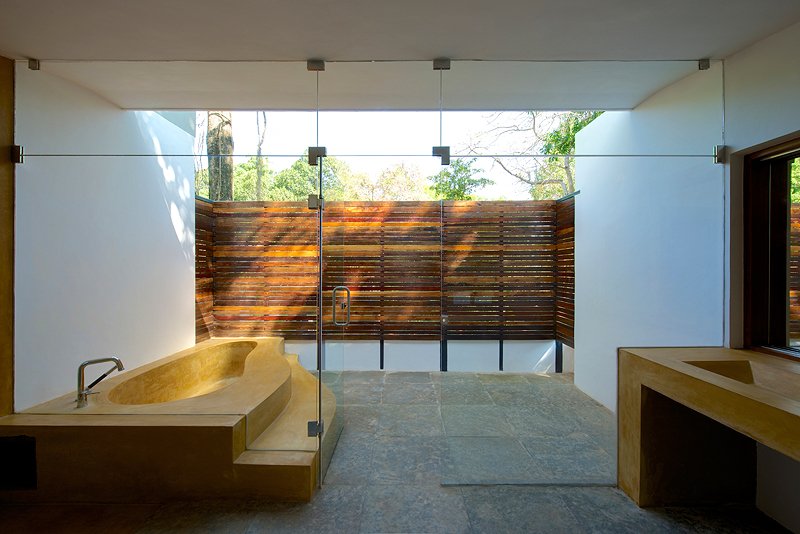
01 Create spacious bathrooms finished with rustic materials that feel great against bare feet.

Find bathrooms designed as sanctuary spaces here.

02 Use a colour palette of subtle shades & tones in neutral monochromatic colours.

Read more about building a neutral palette here.

03 Take advantage of the unique colours, patterns and textures of natural materials.

Learn about using and maintaining wood, lime, and IPS here.

04 Design landscape to mimic a wild landscape as opposed to manicured landscape.

Learn more about natural landscaping and local species here.

05 Practice a bit of wabi sabi where you appreciate and live with site's imperfections and the aging of materials.

Read our blogpost on living with nature.

Sustainable Architecture - Building With Rammed Earth - Q & A


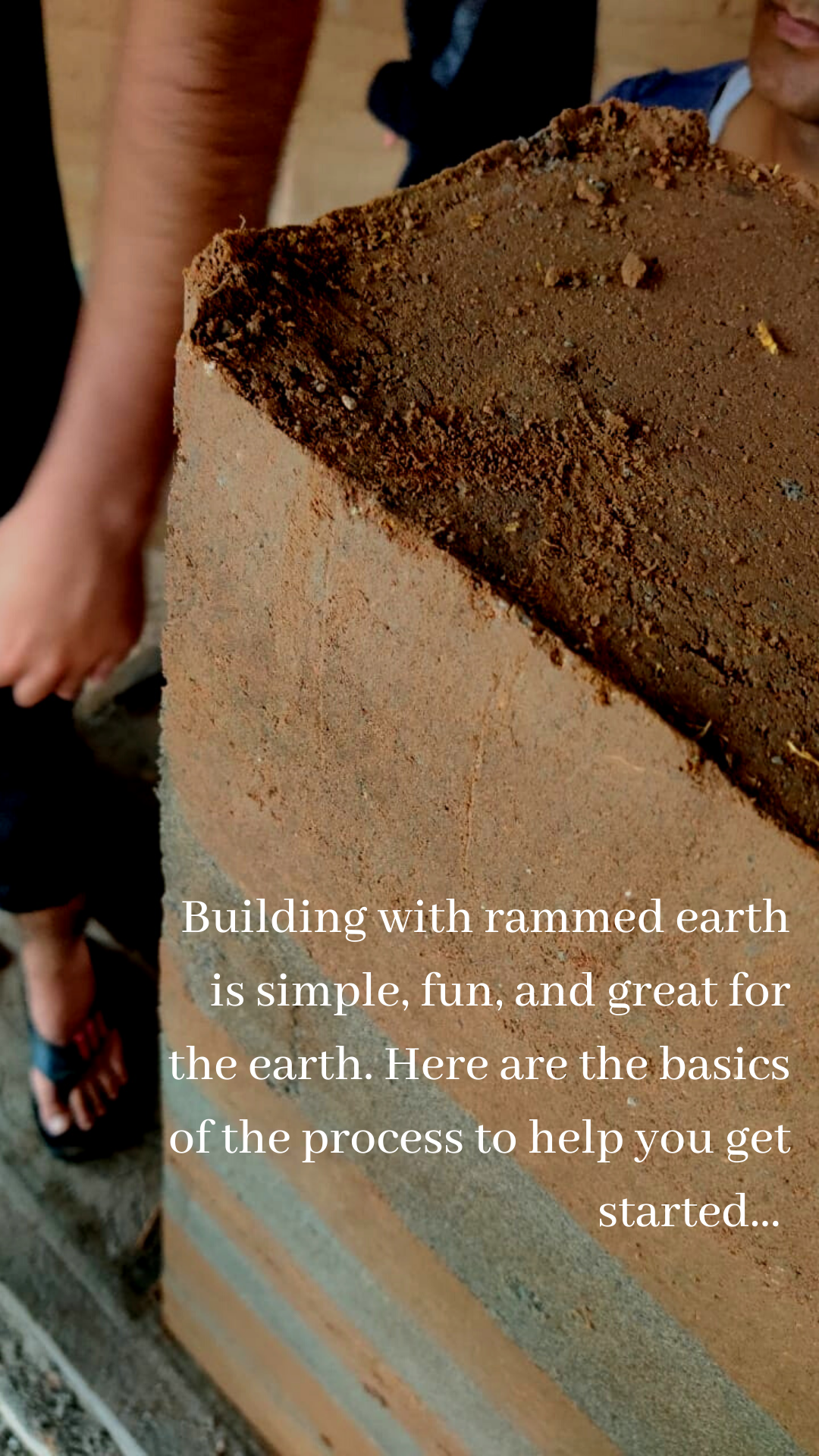
In part two of 'Building with Rammed Earth', I speak to Donald Sequeira. Donald is an architect, natural builder, and the Director of Gia Mantra Global Village in Tiruvannamalai, Tamil Nadu, India. In this conversation, we take a deep dive into questions from students, practitioners and sustainability enthusiasts to clarify concerns regarding rammed earth as a building material. Through this Q&A session we touch upon various aspects including:

  • The Building Process

  • Strength of Material

  • Potential of Construction

  • Climate Feasibility, and

  • Maintenance

Here are some interesting questions that we received over the course of the IG Live session:

  1. Can a rammed earth structure be built in areas with heavy rain?

    A rammed earth structure can be built in any climatic zone including areas with heavy rainfall. The precaution to be taken is to ensure large overhangs are given to protect the wall from the rain. Additional surface treatments like waxing or plastering protect exterior walls for a longer period.

  2. What is the ideal soil type for rammed earth?

    Yes. Rammed earth walls can be built out of most local soils but the clay content should not exceed 30%. If the clay content is higher, the soil can be mixed with other soil types or washed with water to dilute the clay concentration.

  3. How are building services addressed?

    The electrical conduits and plumbing must be inserted while ramming. Prior planning is required. Otherwise, services can be added later but those surfaces may require plaster.

  4. Are any surface treatments possible?

    Yes, rammed earth walls can be plastered, painted, and tiled over like any other wall. Clear treatments such as wall waxing are also possible.

  5. Can river sand be added to the soil mix to reduce the clay content?

    Yes. However, river sand is not ideal because it is not a sustainable source. M-Sand is a good alternative to river sand and can be used as one of the mixture components.

  6. Can a 4" rammed earth wall partition wall be created inside a RCC framed structure?

    A 4" rammed earth wall may not be possible since very little space is available for ramming. Furthermore, if the wall is planned beneath a pre-existing beam or a slab, it becomes harder to ram the top portions and close the gap. CSEB is a good alternative for built framed structures.

Sustainable Architecture - Building With Rammed Earth - Part I


In this IG Live, I speak to Donald Sequeira. Donald is an architect, natural builder, and the Director of Gia Mantra Global Village in Tiruvannamalai, Tamil Nadu, India. In this first part of our conversation on 'Building with Rammed Earth', we understand the fundamentals. We understand the potential and constraints of rammed earth as a material and learn about preparing the material for construction. We speak about the material's strength and stability and understand construction concerns such as building height and services. We also discuss the durability and maintenance of rammed earth over its lifetime.
Here are some common myths about rammed earth debunked:

  • A rammed earth structure can be built in all climatic regions.

    Rammed earth can be used for construction anywhere. It is a breathable but dense material that offers great heat exchange in tropical areas and thermal insulation in extremely hot or cold regions.

  • A rammed earth building is durable and has a lifespan greater than concrete.

    Rammed earth structures also possess strength that is at least equal to the strength of concrete. They are extremely sustainable in the long run and require minimum maintenance.

  • Rammed earth walls do not have to be very thick and there is no limit to room sizes.

    For a ground floor structure, only a 9" rammed earth wall is required which is equal to the thickness of a brick wall. As long as this criteria is met, it is possible to create spacious rooms of various sizes with rammed earth.

  • There is no threat of insects or pests entering the house through the rammed earth walls.

    Once compressed, the rammed earth wall becomes extremely hard and dense. While the material is breathable, it is not not porous. The density does not allow for passages to be made by pests.

The feeling of being inside a rammed earth structure is indescribable. The structure changes with the weather to protect you. It has a quiet, special, womb-like quality - one instantly feels cocooned.

 
5 Sustainable Practices To Adopt While Building

Sustainable building is not as complicated as it sounds. Here are 5 simple practices to adopt while building which offer lifelong benefits and returns:

01. Harvest rainwater for reuse or to restore groundwater. Even a system as simple as a collecting tank makes a difference.

We have a conversation covering the basics of rainwater harvesting. Watch it here.

02 Source and use materials and natural stones that are local to the place.

Read about optimal use of local materials in this article.


03 Preserve existing trees and use native species. Use flowering & fruiting trees & plants to retain the habitat and welcome biodiversity.

Find out more about natural landscaping here.

04 Maximise daylight and cross ventilation by creating openings on at least two sides of a space.

Find out how to connect to the outdoors in this blogpost.

05 Create pathways and hardscape with permeable paving to allow rainwater to reach the ground and replenish the water table.

Learn more about designing outdoor paving here.


Welcome 2022!

The year of 2021, while challenging, also marked several truly special milestones for our practice. We completed our design-build project in Goa, House with Three Pavilions, our countryside house Navovado won a platinum certification from the Indian Green Building Council, we watched our design for a lovely Lake House take physical shape in the picturesque Western Ghats. As a studio, our team has grown and we have been able to share our knowledge in sustainability through a series of Instagram lives and magazine columns with a diverse range of industry experts. As we begin a new year with a clean slate, looking back at the milestones from the year past, our #topnine2021 ! Giving gratitude for all that has been and here's to a wonderful and prosperous 2022!⠀


First Look at A House In South Goa

We have recently started work on a small house for a lovely young family in Talpona village in Goa. The focus will be on indoor-outdoor living and creating opportunities to connect with nature. The project site is contoured and verdant, with lush trees meeting the eye every side we turn. Our vision for the project is to bring land and life together, through timeless contemporary-vernacular architecture. As we explore the relationships between space and site, we ask ourselves repeatedly,

What are the views that we can frame? How can we create open, continuous and connected spaces? How much light and breeze comes through? How can we create pockets around different natural clusters? How will each space change with time to allow for multiple experiences?

 
Looking back at Navovado

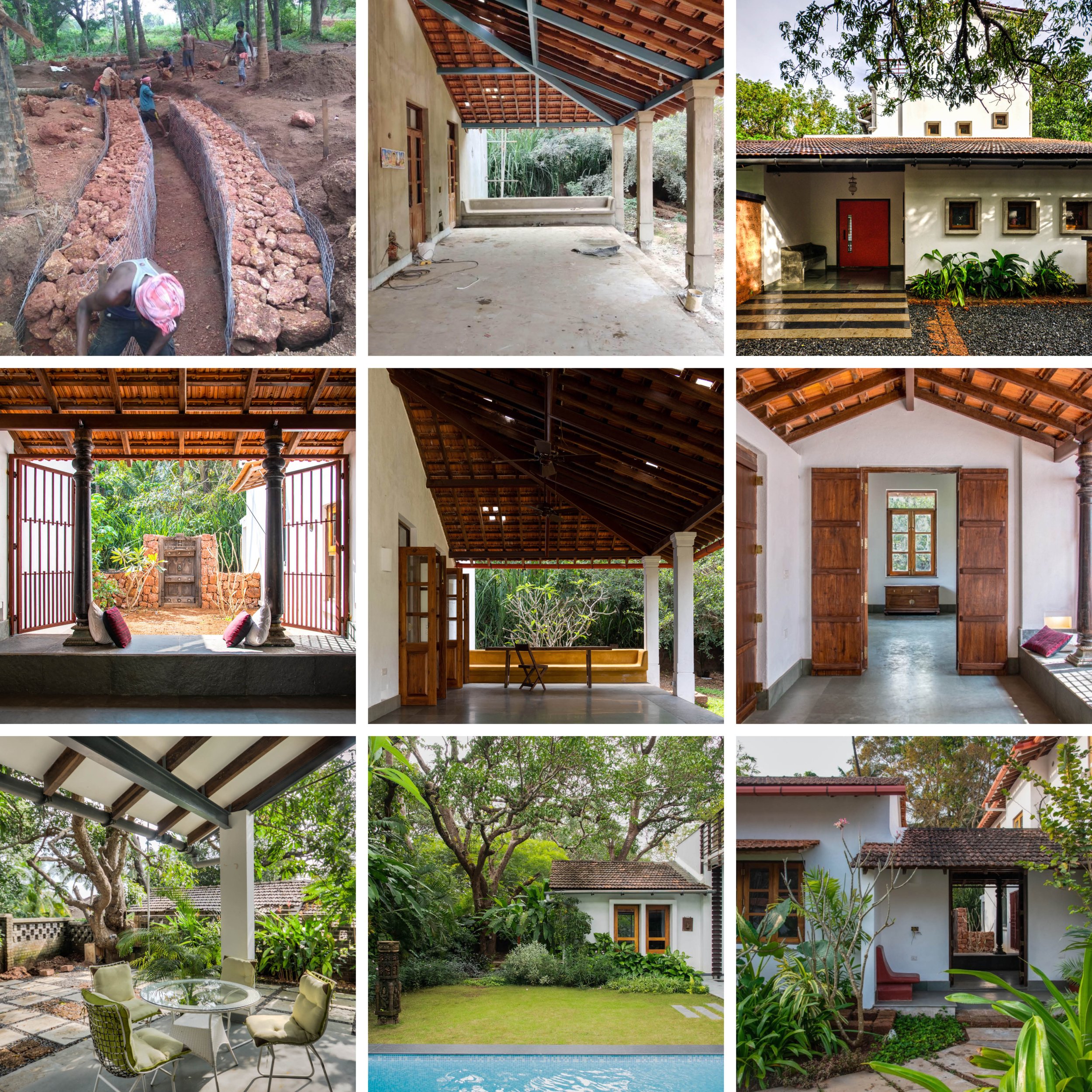
Celebrating Navovado, our design-build vacation house in the Goan countryside through a gallery of photographs of the courtyard house. Earlier this year, Navovado won the prestigious Platinum Certification from the Indian Green Building Council. Navovado harvests all of its roof rainwater and recharges the water well on site. The use of low-flow water fixtures further improves water efficiency. Focus on use of insulation on the roof, double-glazed glass, low­energy use appliances, LED lighting and 100% hot water from Solar power makes this home extremely energy efficient. The structure is constructed using locally manufactured materials and materials with a high recycled content such as Laterite stone, Matti wood, Fly-ash brick and Slag cement. The garden is planted using native local species to reduce water use for ir­rigation. Finally, large openings allow for maximum daylighting and cross-ventilation, reducing the energy use for lighting and cooling.

The heart of the home lies in the large central courtyard that is an extension of the kitchen, living and dining space. The courtyard houses the swimming pool and provides a green private space to be enjoyed by all the residents of the house. The courtyard morphs in its use depending on the time of day and occasion. The guest bedrooms on the ground floor are designed as pavilions on either side of the courtyard, while the first-floor bedrooms have a large terrace overlooking the courtyard that connects the two levels.

Find Navovado featured in detail on our Instagram page here.


Kapadia House by Bijoy Jain

My interest lies primarily in doing what I do, with care. As an architect, the way you imagine opening a door, developing a chair, designing the texture of a wall or a floor, is very important. It’s about quality, about the consideration you apply to the making of something. And it’s about being attentive to the environment, the materials, and the inhabitants. It has to be inclusive.
Bijoy Jain

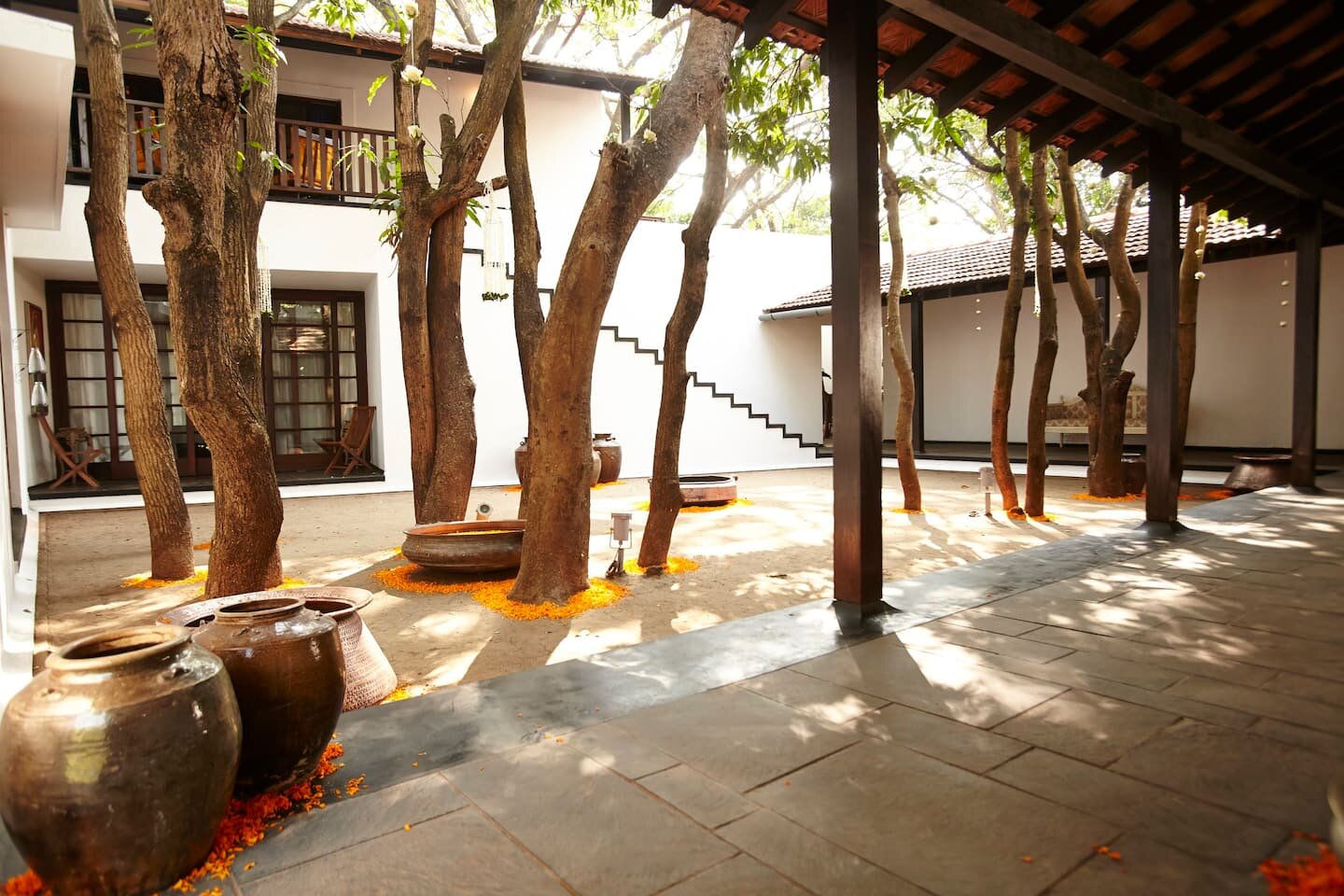
Images of Kapadia House sourced from Airbnb and Pinterest.

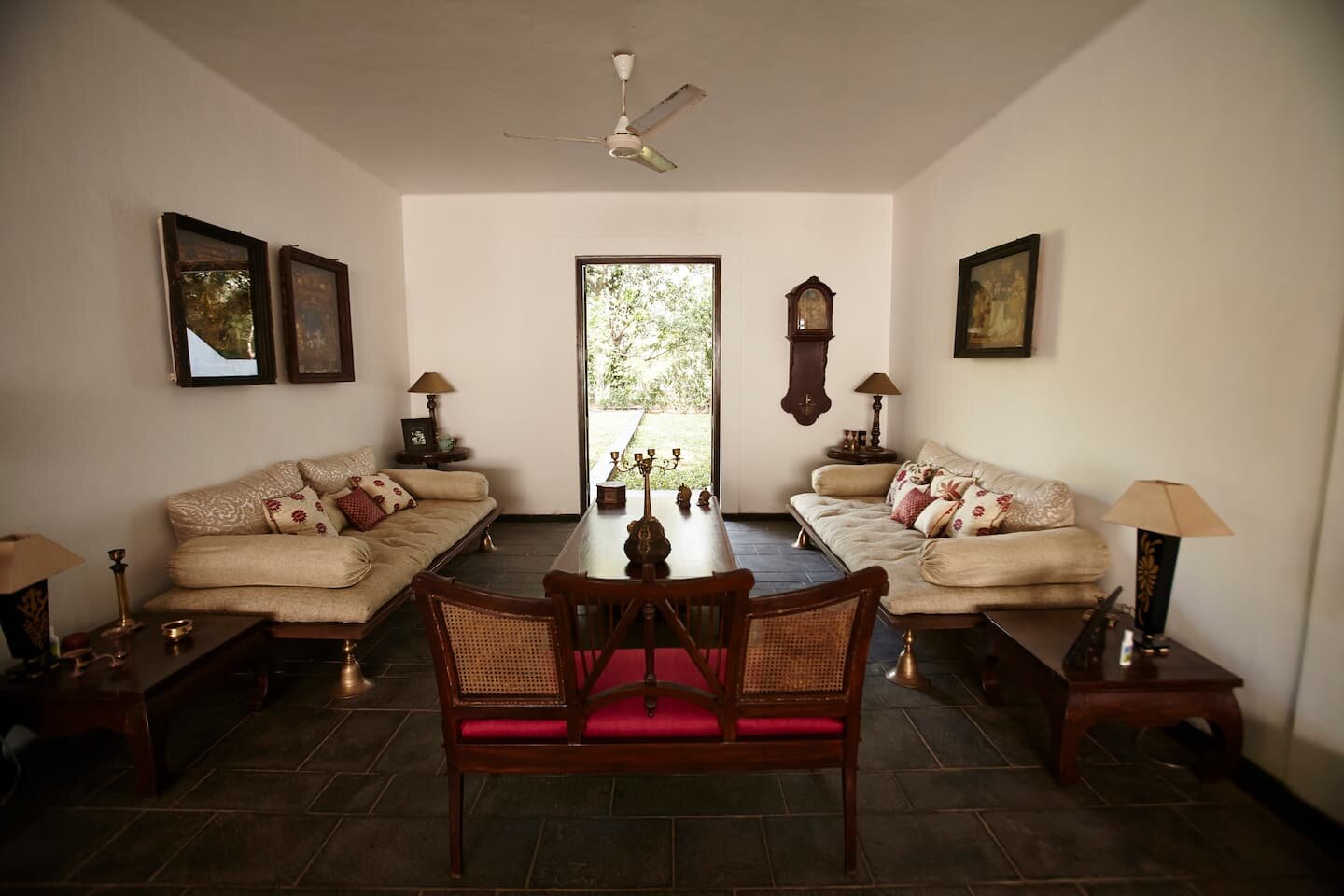
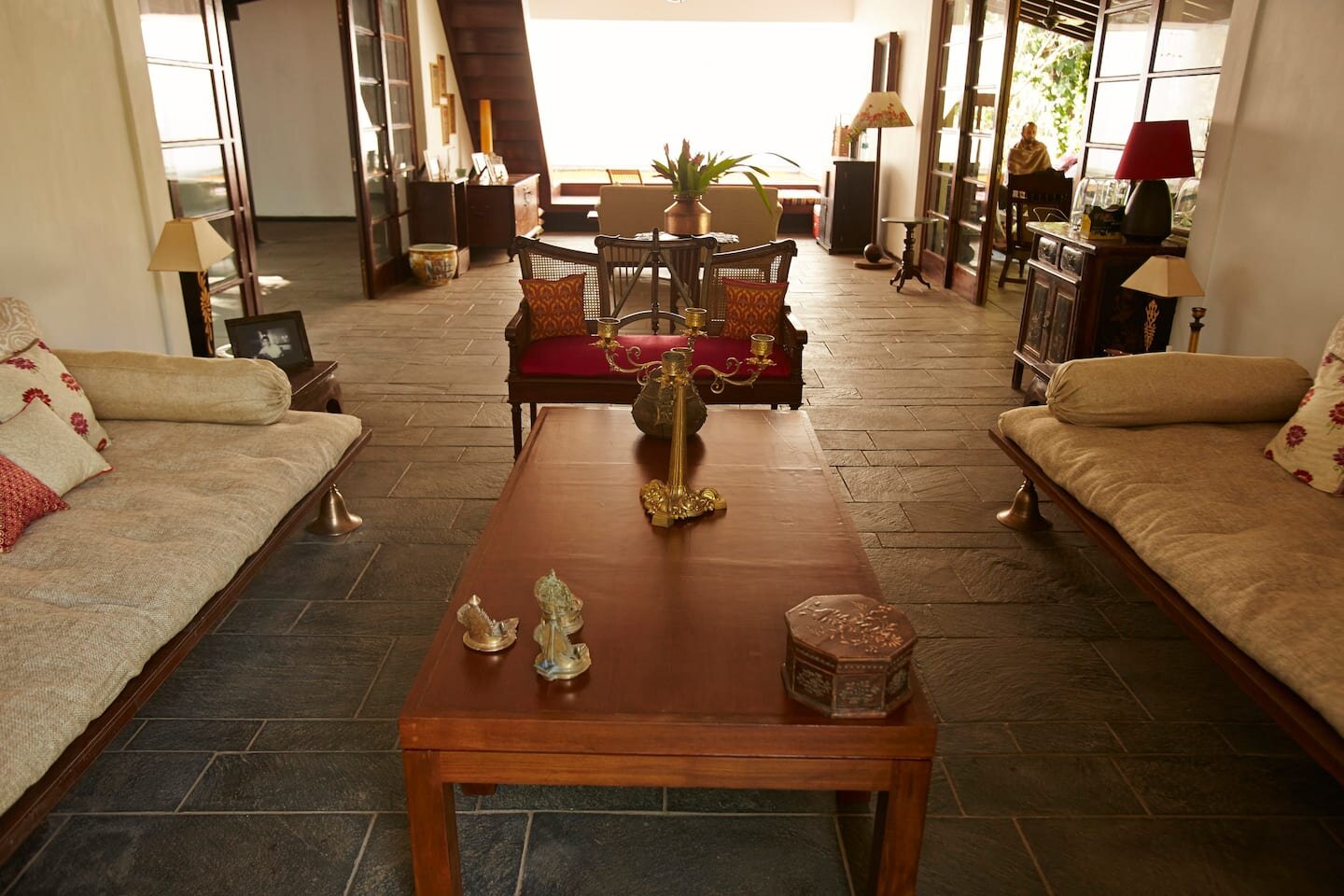
Images of Kapadia House sourced from Airbnb and Pinterest.

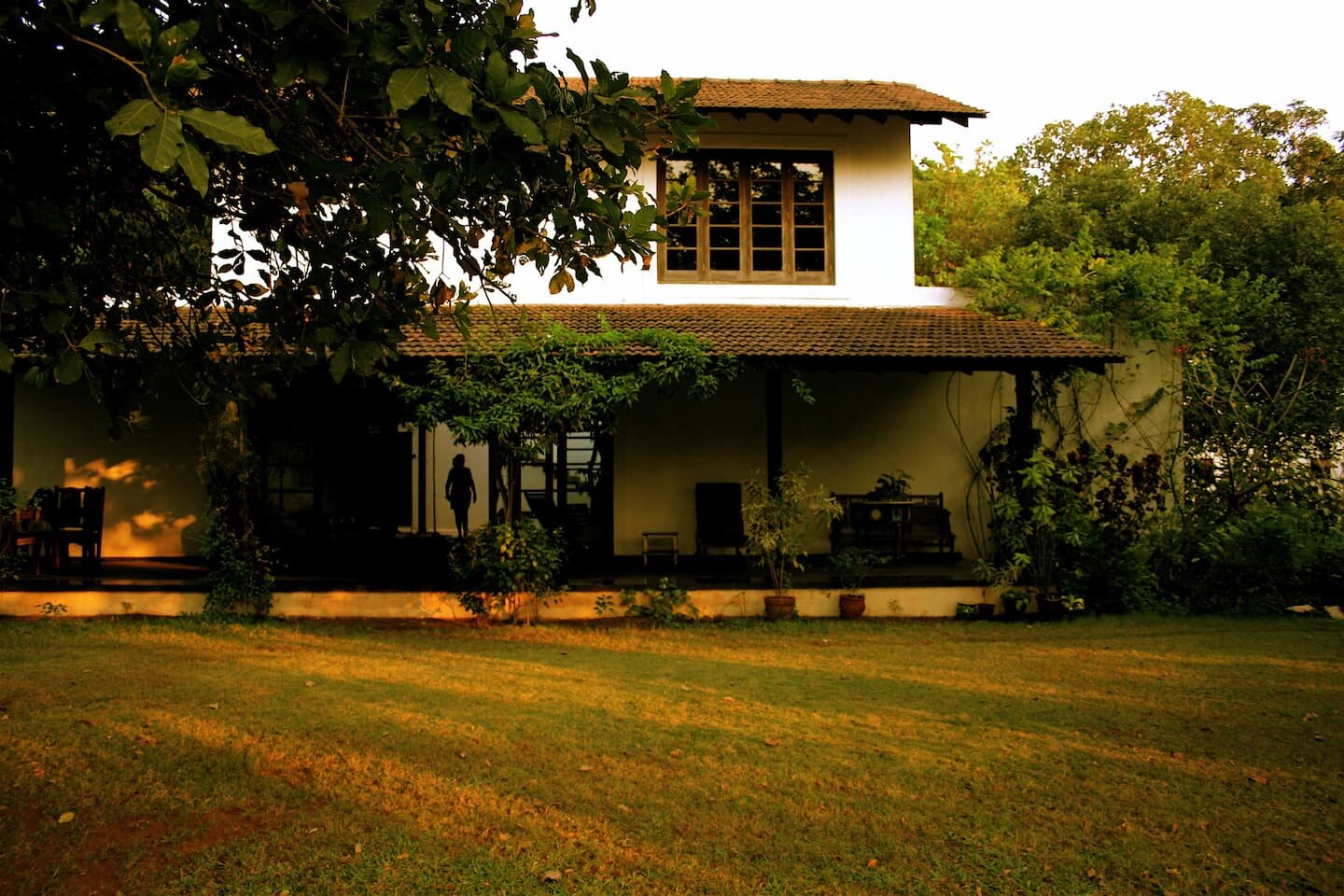
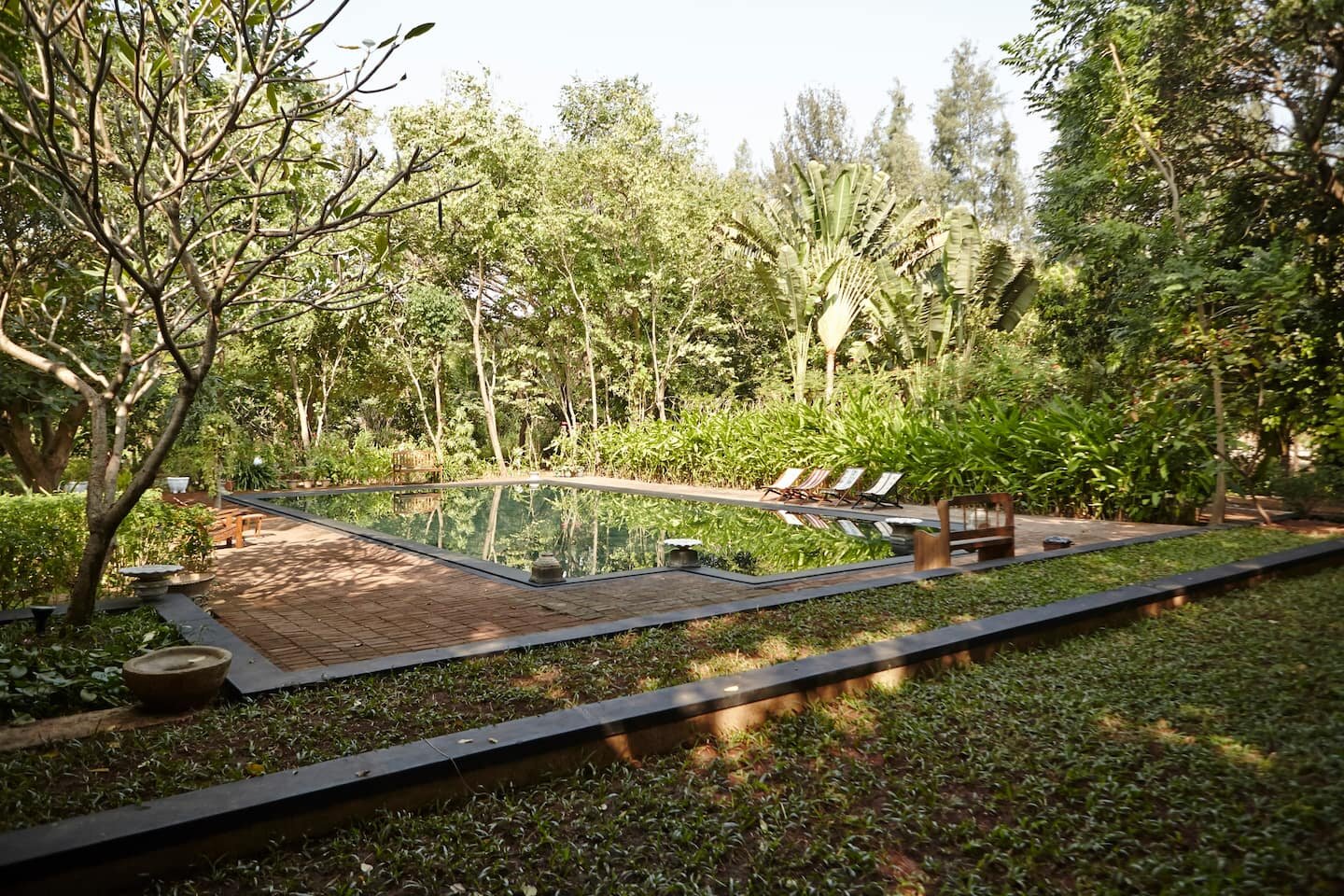
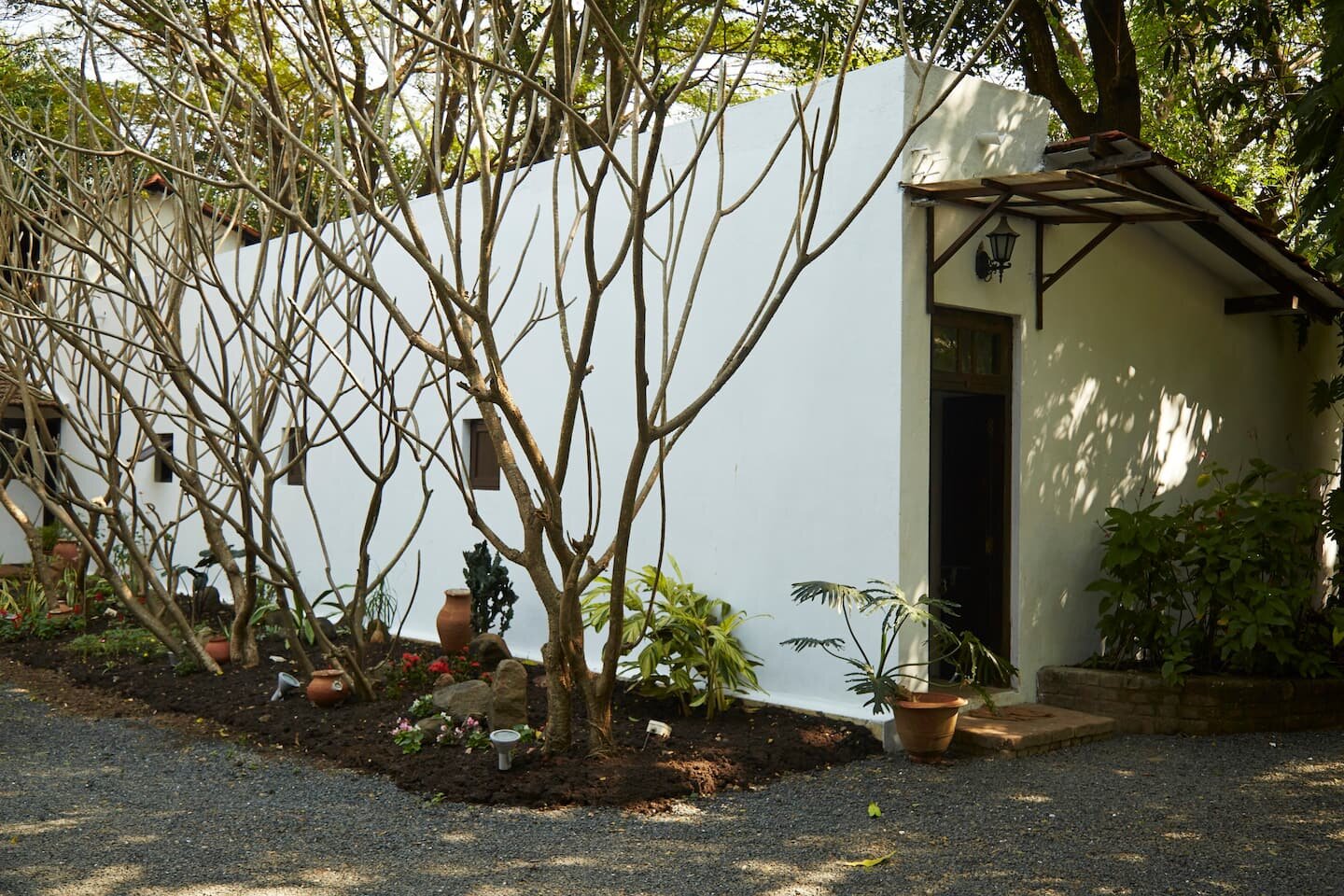
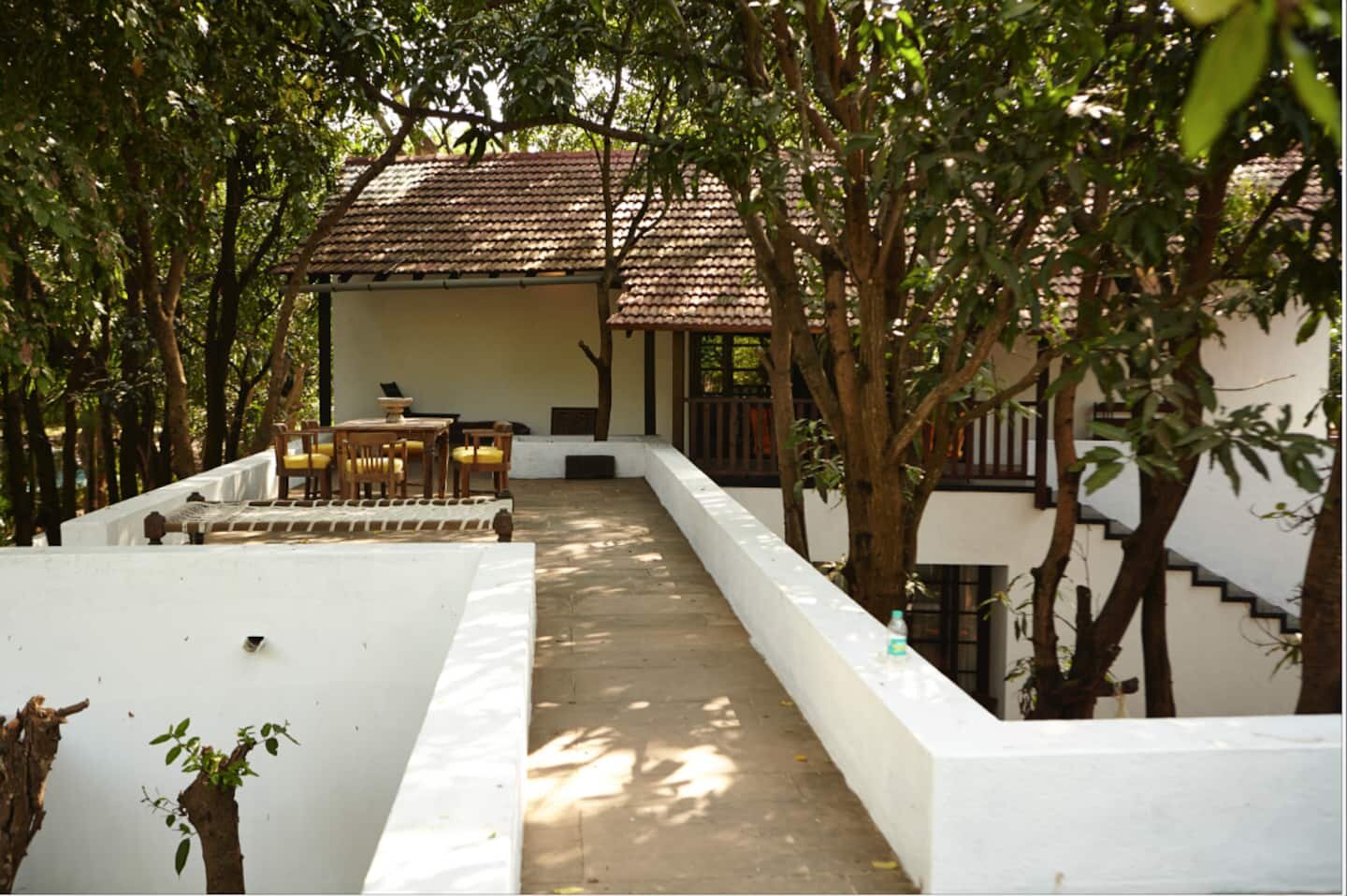
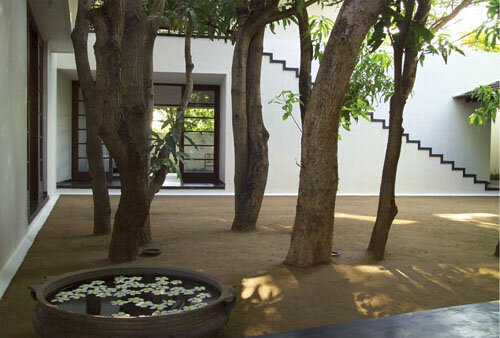
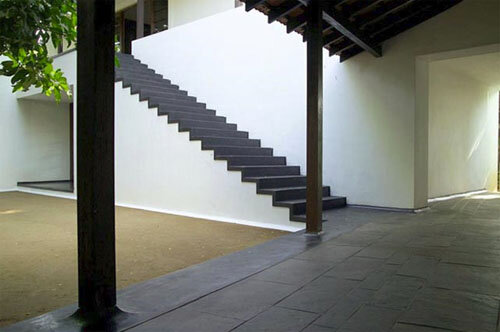
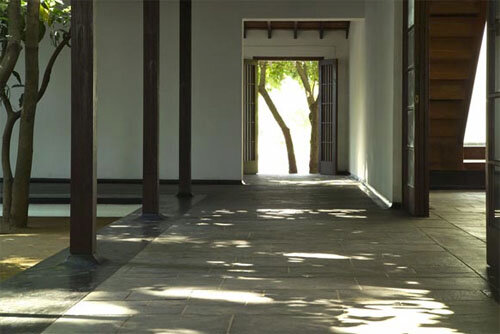
As one steps into Bijoy Jain’s Kapadia House in Alibaug, one is instantly witness to poetry through space. Centred around a rustic courtyard grove, the expansive indoor-outdoor spaces of the bungalow flow generously from one to another. The house intimately explores a connection with its trees creating experiences from bark to foliage, as different levels offer varied degrees of interaction with the verdure. With that comes a serendipitous romance with light and shadow, as rays filter through the canopy to make beautiful shifting patterns throughout the day. The house makes liberal use of natural material ranging from rough cut stone to wood, which effortlessly blend into the surrounding landscape while also creating a rustic complement to the otherwise white palette. The careful interplay between texture, form, proportion and light instantly elevate the design from functional to sculptural.


Kapadia House is listed on Airbnb, and is a must visit for any design lover.