EPIC.png

This Is Epic

A curation of our design ideas and inspirations for houses in Goa, contemporary art and architecture.


Posts in Architecture
'Architectural Photography' - with Sanjeet Wahi

In this IG Live, we speak to architect and photographer Sanjeet Wahi. In this conversation, we discuss the fundamentals of photography right from different styles of framing a view, to the soft skills an architecture photographer should have, and the 3 pillars of photography. We also discuss the techniques and the equipment any beginner can get started with and finally conclude with the tools and software that are useful for editing and post processing.

Sanjeet is the COO of GROUNDED, and the man responsible for the photographs of our projects Navovado and House with Three Pavilions on our website and Instagram page.

 
We build sustainable houses in Goa
 
Sustainable Design - 'The architecture of a water system' with Dr Pallavi Latkar

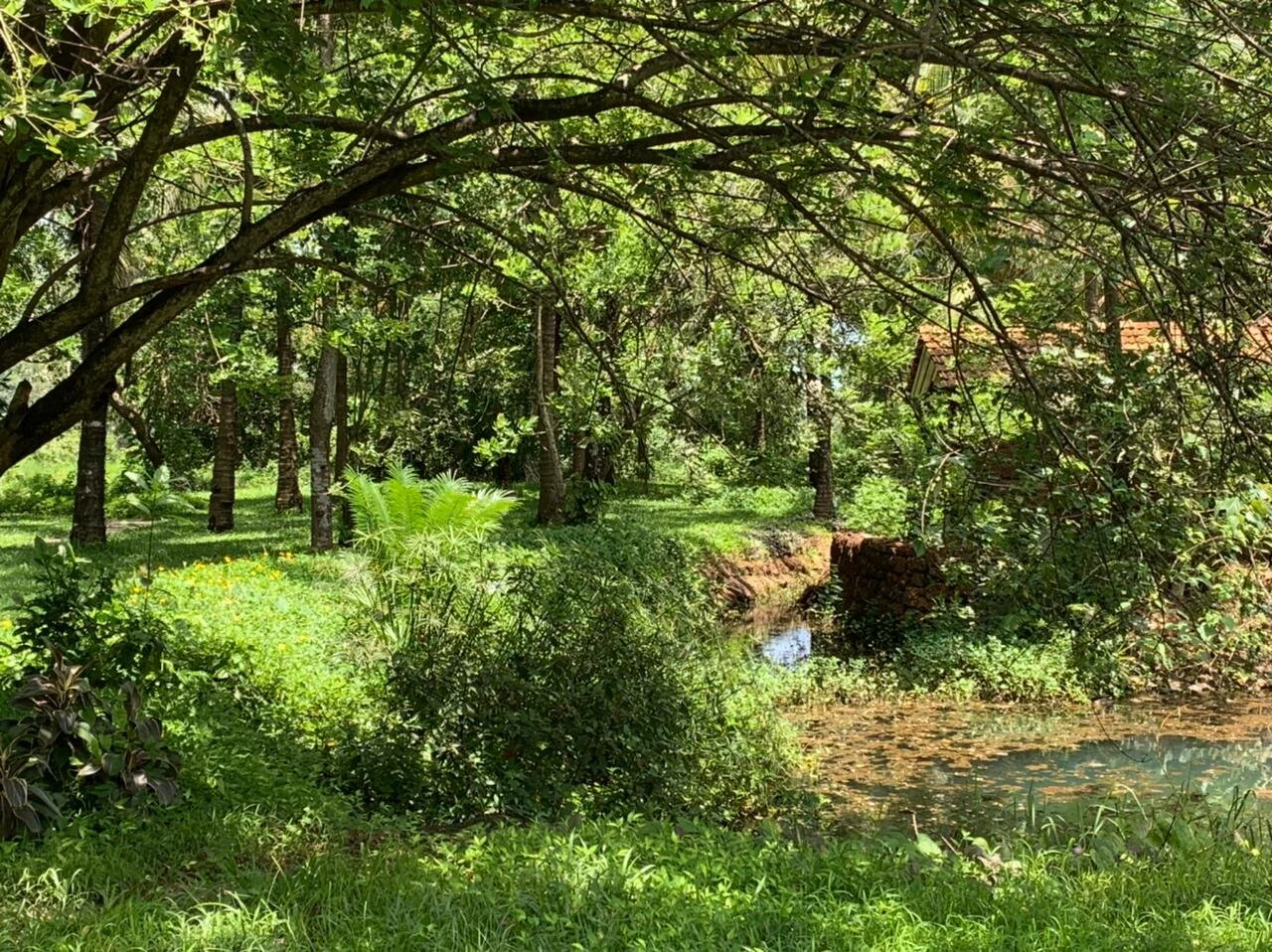
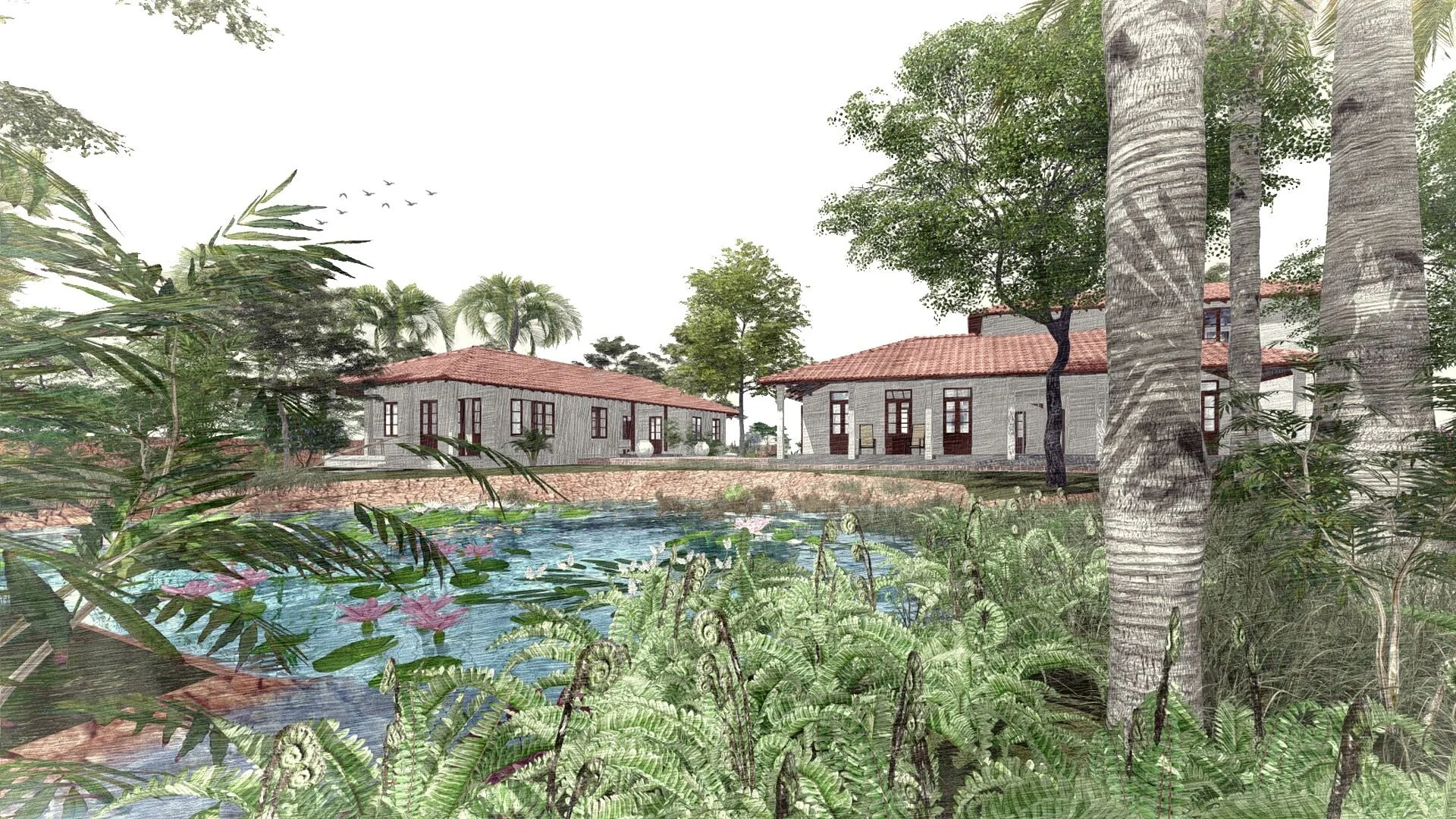
In this IG Live, I speak to Dr Pallavi Latkar, the technical brains behind the ecological site planning at our project, The House with Three Pavilions . Pallavi is an ecological expert, she is the Founder and Director at GRASSROOTS Research & Consultancy in Mumbai. Over the Live session, Pallavi and I discuss the extensive rain water harvesting system we have created at The House with Three Pavilions. For this site with many contours and topographical variations in Goa, this monsoon ready water management has been a great way of rainwater harvesting and distribution to recharge the underground water table. Over the course of our conversation, we get into the details behind the site planning and construction, discussing the key techniques we have employed. We also speak about the benefits of conserving natural water systems and debunk myths around the maintenance of these systems.

Here are some additional takeaways from the session:

  • Every site has a story to tell - the story of its soil, water, and vegetation. Listen to the story - smell, see, touch and feel its elements.

  • Our sights have many hidden clues in plain sight - within the trees, plants,and shrubbery. FOr example:

    • A Mango Tree with a dense canopy tells us the site has a good water table.

    • The presence of wild Colocassia indicates the spot where water will stand and collect in the monsoons.

    • Moringa and Neem Trees are native trees that are most beloved by birds.

    • ‘Shankasur’ or Cesalphinia is a favourite haven for bulbuls.

    • Fish-tail Palms will attract Barbets, Coppersmiths, and Hornbills.

  • Young architects who do not have access to an environmental consultant can start off by using free and universal tools such as:.

    • Google Earth Imagery from which contour levels of the site can be approximately extracted. 

    • Toposheets of India can be found online - it may require some searching on websites of Landscape Universities worldwide. 

    • Rainfall data and history are available online at various sites including The Meteorological Department website to ascertain the precipitation on your site.

    • The website of The Irrigation Department of India which gives the specifics about soil in every region. 

    • Software like Google SketchUp, Revit and Grasshopper which allow you to geo-locate and model the site and surroundings in 3D which will help you visualize the terrain.  

 
Learn more about our work in Goa
Sustainable Design - 'Evaporative Cooling' with Ant Studio

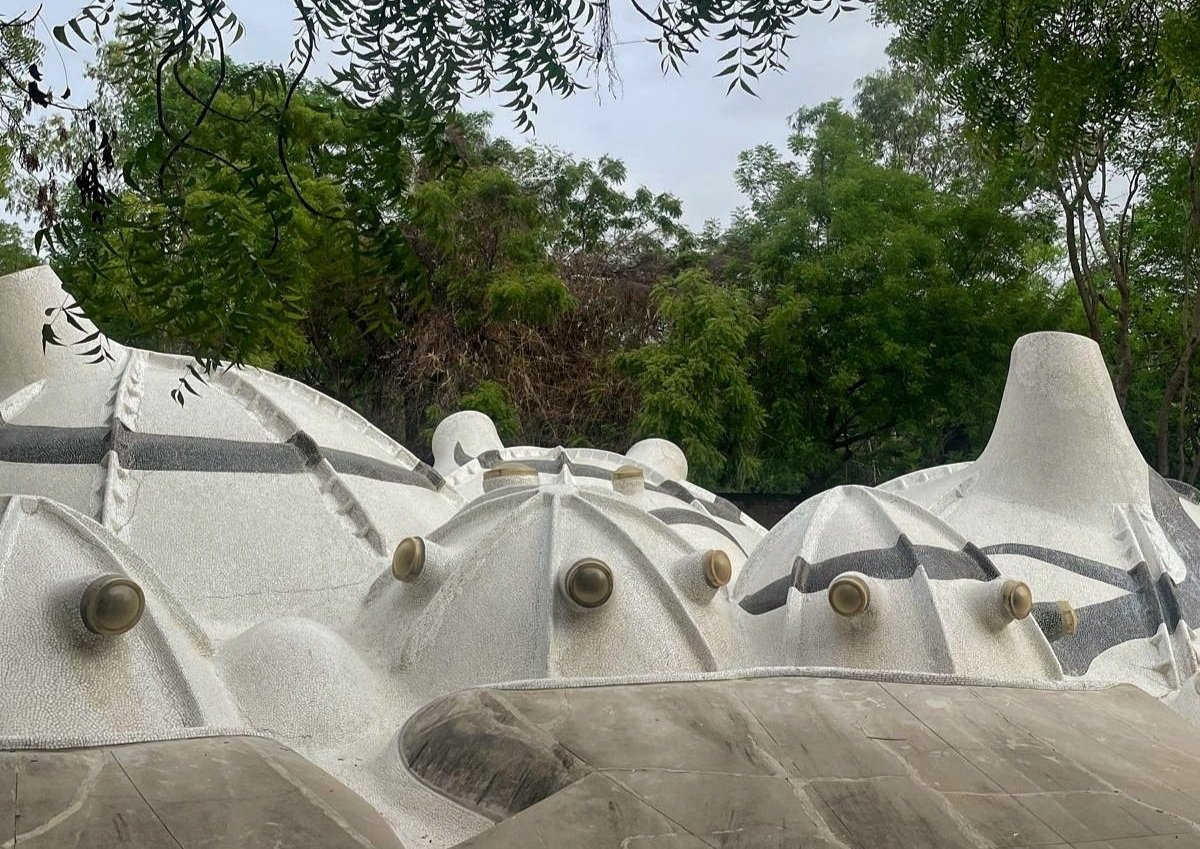
In this IG Live session, we speak to Monish Siripurapu, Founder of Ant Studio in Delhi, India. Studio Ant works at the intersection of art, nature, and technology. Through their research and development wing Coolant they have made strides in building sustainable innovations through their all natural air cooling products. In this conversation, we discuss the science and method behind building this cooling system. We understand the system of Evaporative Cooling and the opportunities it presents in different contexts. We also speak about the process of research behind building this product and explore the nuances of parametric design. Tune in to watch our entire conversation.

 
Learn more about our work in Goa
Sustainable Design - A Site Positive Approach

In this IG Live, I delve into the factors involved in taking A Site Positive Approach. I speak about how design can contribute to the land it stands on as well as simple measures that can be taken to ensure the site is preserved and that resources are managed well during and after construction. Over the Live, I explain the importance of the water management systems at our houses in Goa, and the natural systems we have implemented such as a pond and bioswales. I also answer questions about site positivity in the rural and urban contexts, speak about the opportunities offered by certain materials and the feasibility of creating a positive impact. Tune in to watch the entire session.

To know more about taking a site positive approach, you can read our blogpost on the subject which looks at the strategies implemented at The House With Three Pavilions.

Learn more about our work in Goa
 
The Magical Chapels and Gateways of Goa

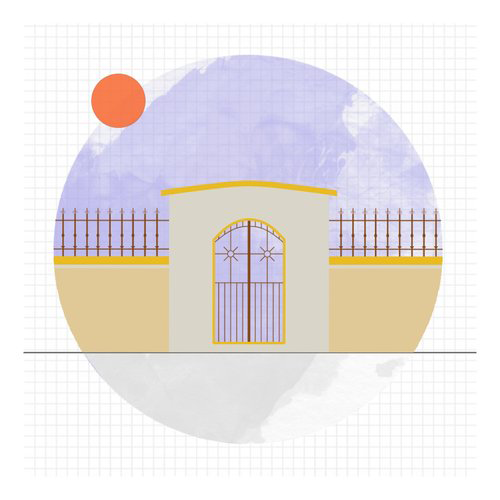
A few years ago we were set the task of designing an outdoor spa for one of our projects. The site was a house in Goa and surrounded by spectacular heritage buildings with unique forms and features that are no longer found in present day construction. We decided to use this as the inspiration and decided on a relaxing outdoor spa which would embody some of these details and elements found in these quaint, old structures. We set out to map and document these historic houses, institutions, and simple details of Goa through photographs and drawings. The illustrations below are part of this extensive archival project, and a fun take on some of the beautiful Chapels and Gateways that characterise Old Goa.

Learn more about our work in Goa
 
Q & A - Lime - IG Live with Malvika Mehta

In this IG Live, I speak to Malvika Mehta, Founder of MLIME. Malvika's team in Rajasthan has done some lovely work with lime plasters bringing the use of lime to modern buildings while also using it to conserve historic structures. Over our conversation we discuss the romance and practicalities of lime. We compare the use of IPS with lime and oxide, often found in old houses in Goa. We discuss the heritage of lime as well the potential it has to become a contemporary natural material. We get into details about lime's breathability, moisture management, and its effectiveness in indoor-outdoor spaces that are exposed to harsh heat and rain. We also speak about the process of making lime, its maintenance and cost efficiencies. Finally, we discuss the various finishes, colours and textures that a lime plaster comes in.

Learn more about our work
Q & A - Wood - A Grounded Palette

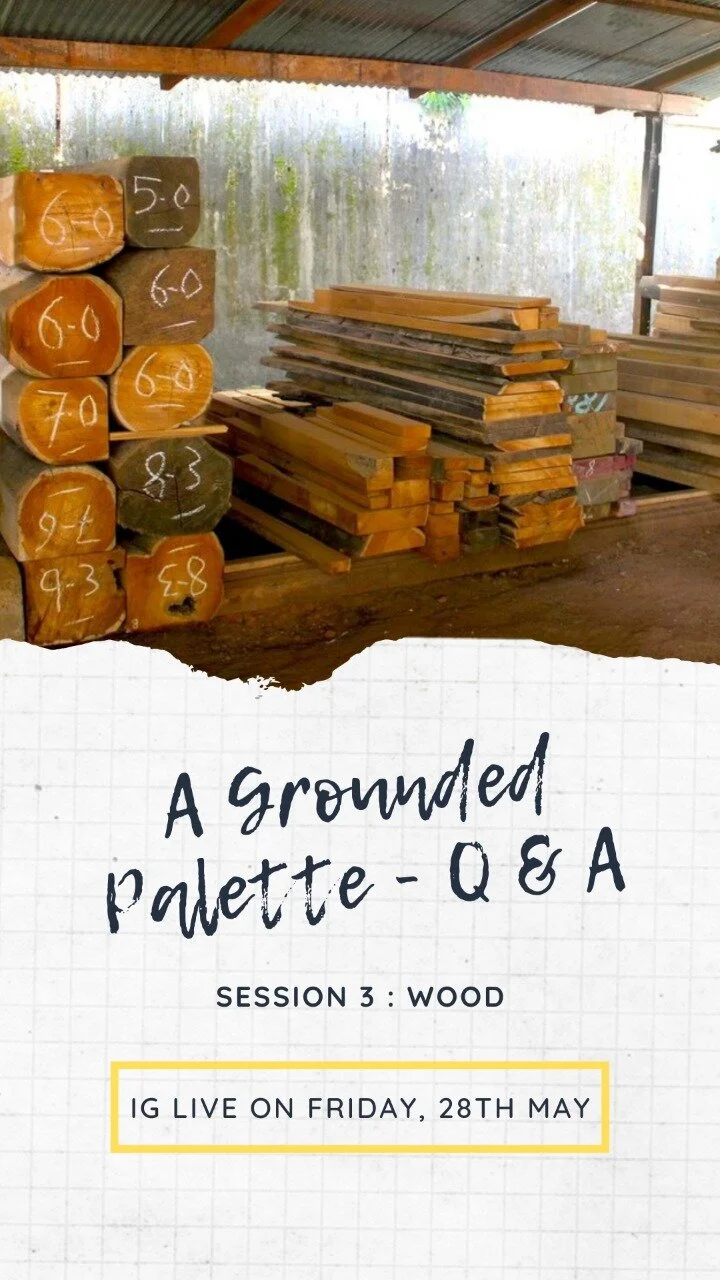
In this IG Live, we discuss the natural material wood and answer some important questions about our experiences while using wood in construction for our houses in Goa. Over the course of the Live session, I speak about crucial aspects that are often overlooked - such as sourcing and treating wood for the best performance. I have also presented the potential and limitations of reclaimed wood. Finally, I discuss whether wood can be considered a sustainable material.

To know more about wood and its properties, you can also read

ROMANCING WOOD , an introduction about the choice of using wood.

SEASONING WOOD , the efforts and precautions to be taken while treating wood.

IS WOOD A GREEN MATERIAL? , an understanding of whether wood is sustainable.

Learn more about our work in Goa
Q & A - IPS - A Grounded Palette

In this Q&A session, I take up a material that we frequently use in our houses in Goa - Indian Patent Stone or IPS. The material is incredibly versatile as it comes in a wide range of colours and is suitable for a number of surfaces right from floors to walls to counters to inbuilt furniture such as the balcao. Over the session I also answer questions about how the material ages with cracks and address the important precautions that need to be taken while using the seamless material. We discuss the similarities between IPS and oxide floors and how the material application technique has involved. We also speak about the curing and workmanship that is required to achieve the best finish.

Tune in to watch the entire session.


Learn more about our work
 
Finding Bawa - Part II

Geoffrey Bawa is an unforgettable and continuous inspiration to most architects. There is an intangible relationship with nature that is so beautifully established. To see our inspiration translate into our work - in design, in spatial character, in connection and reverence towards nature - finding new meaning in every site we build on, feels wonderful and magical.

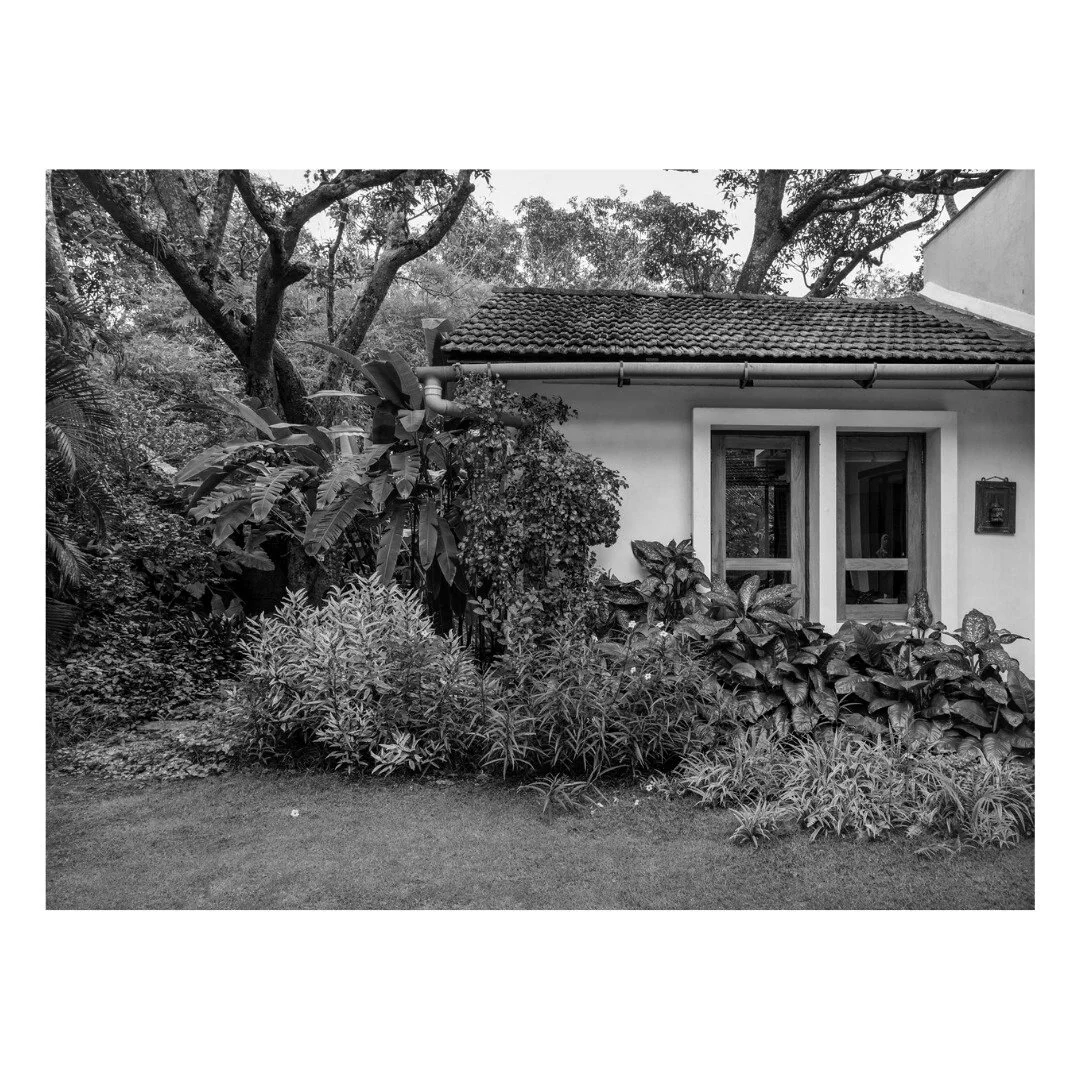
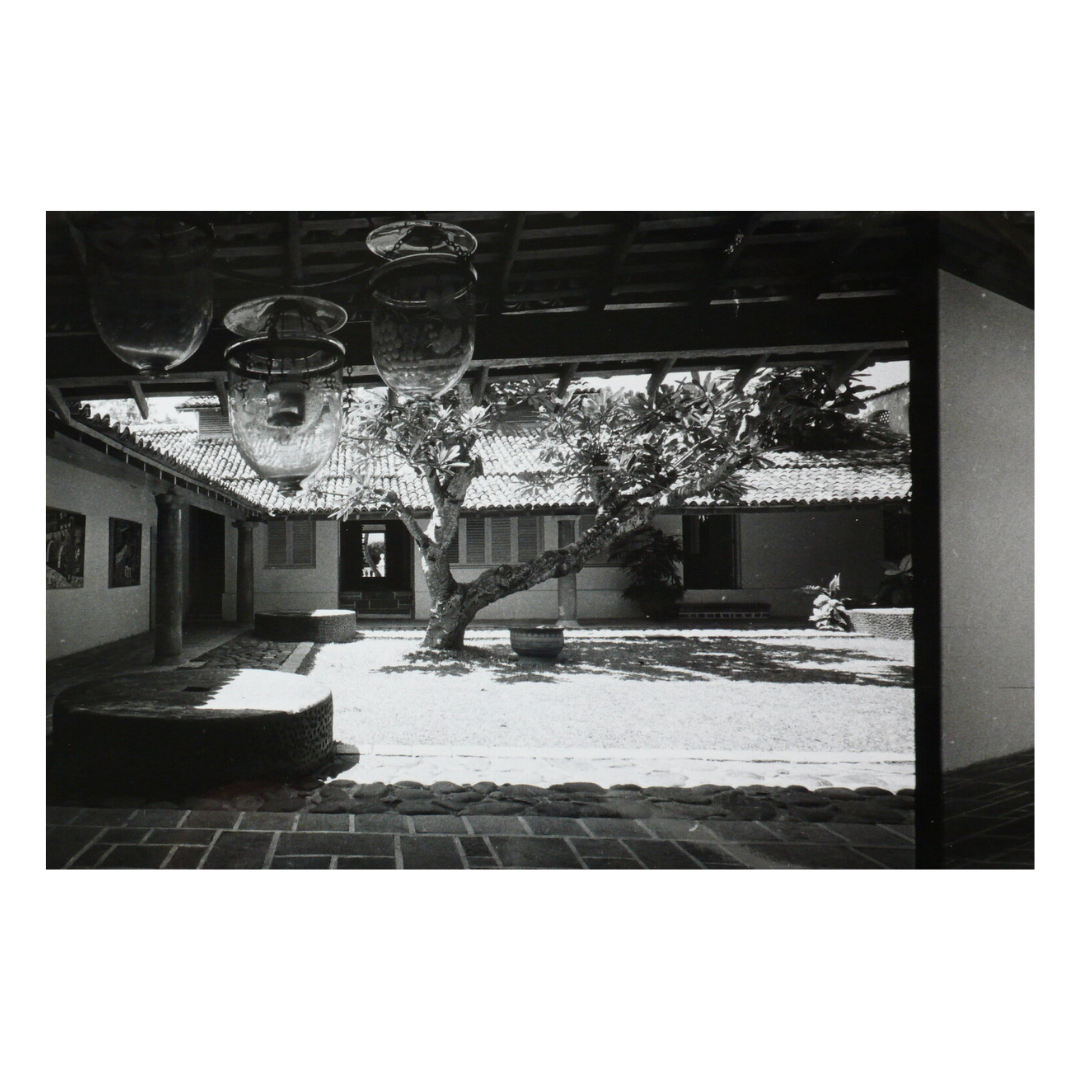
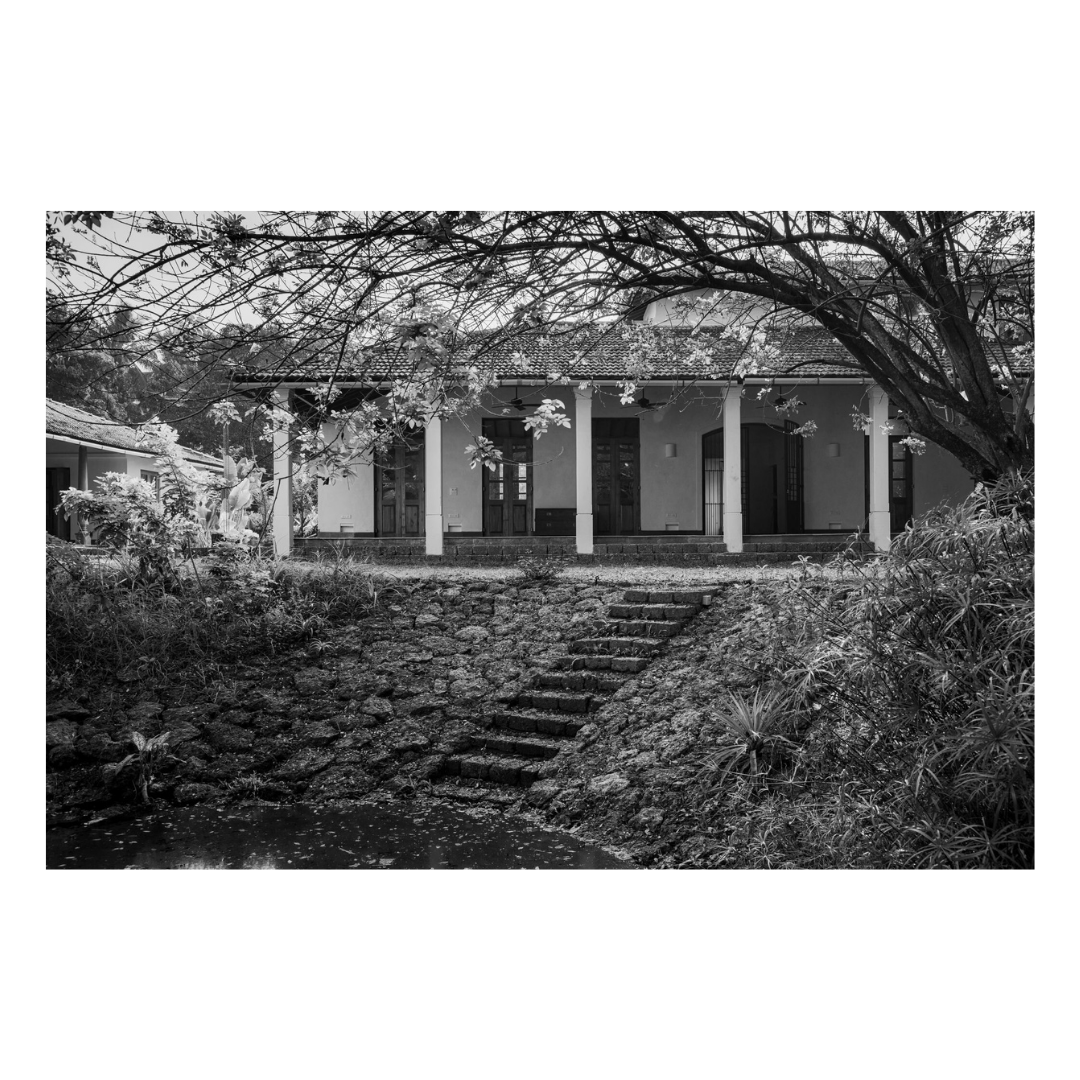
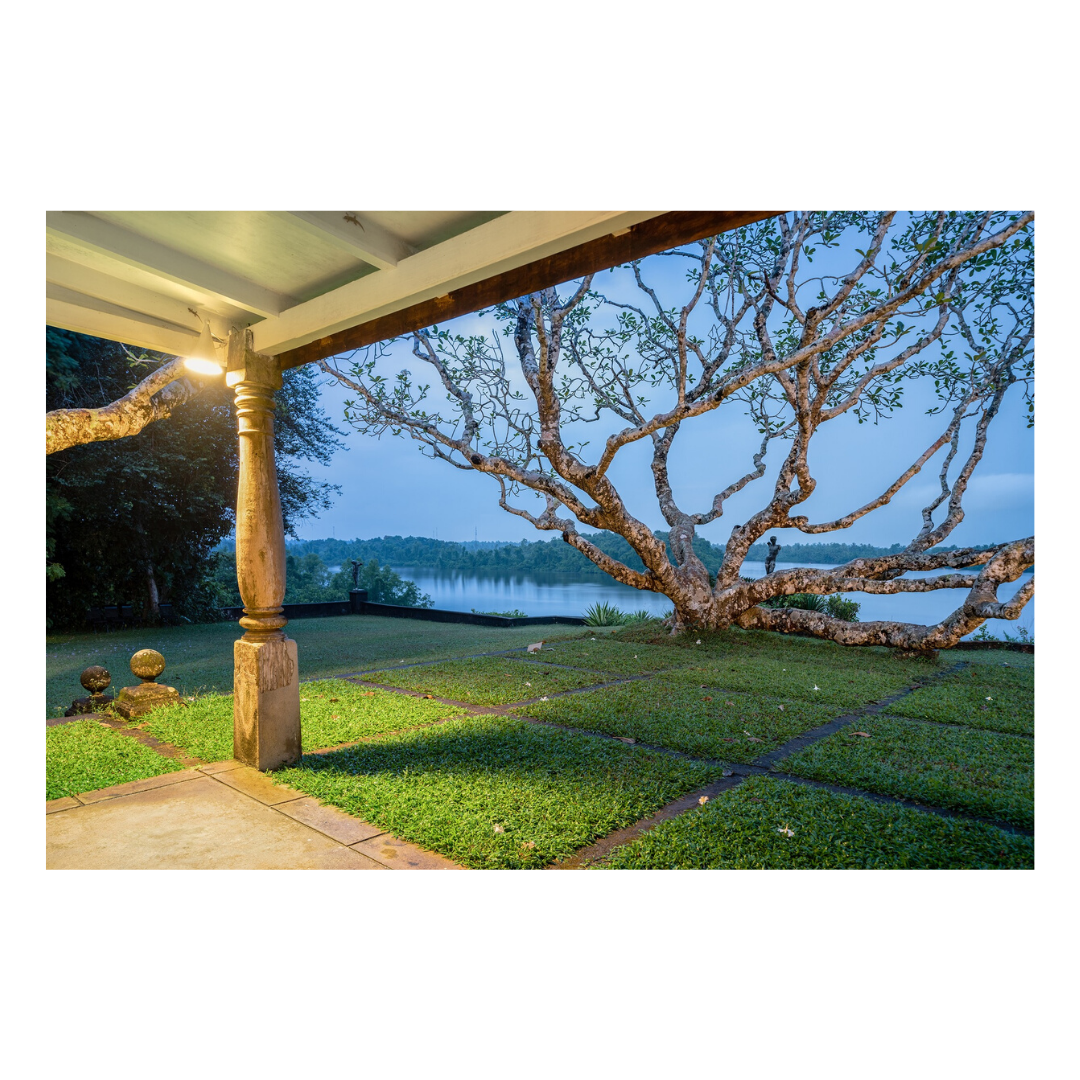
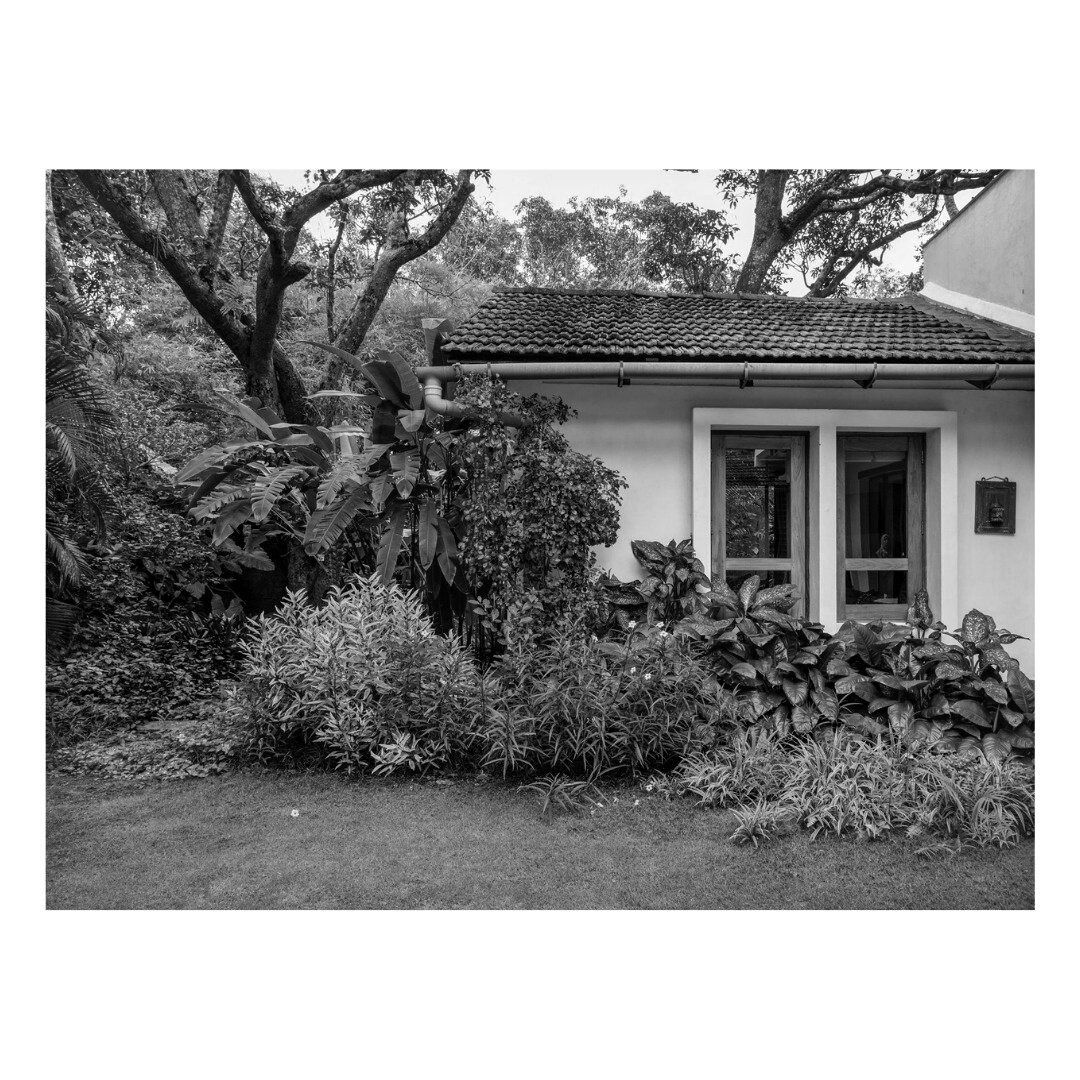
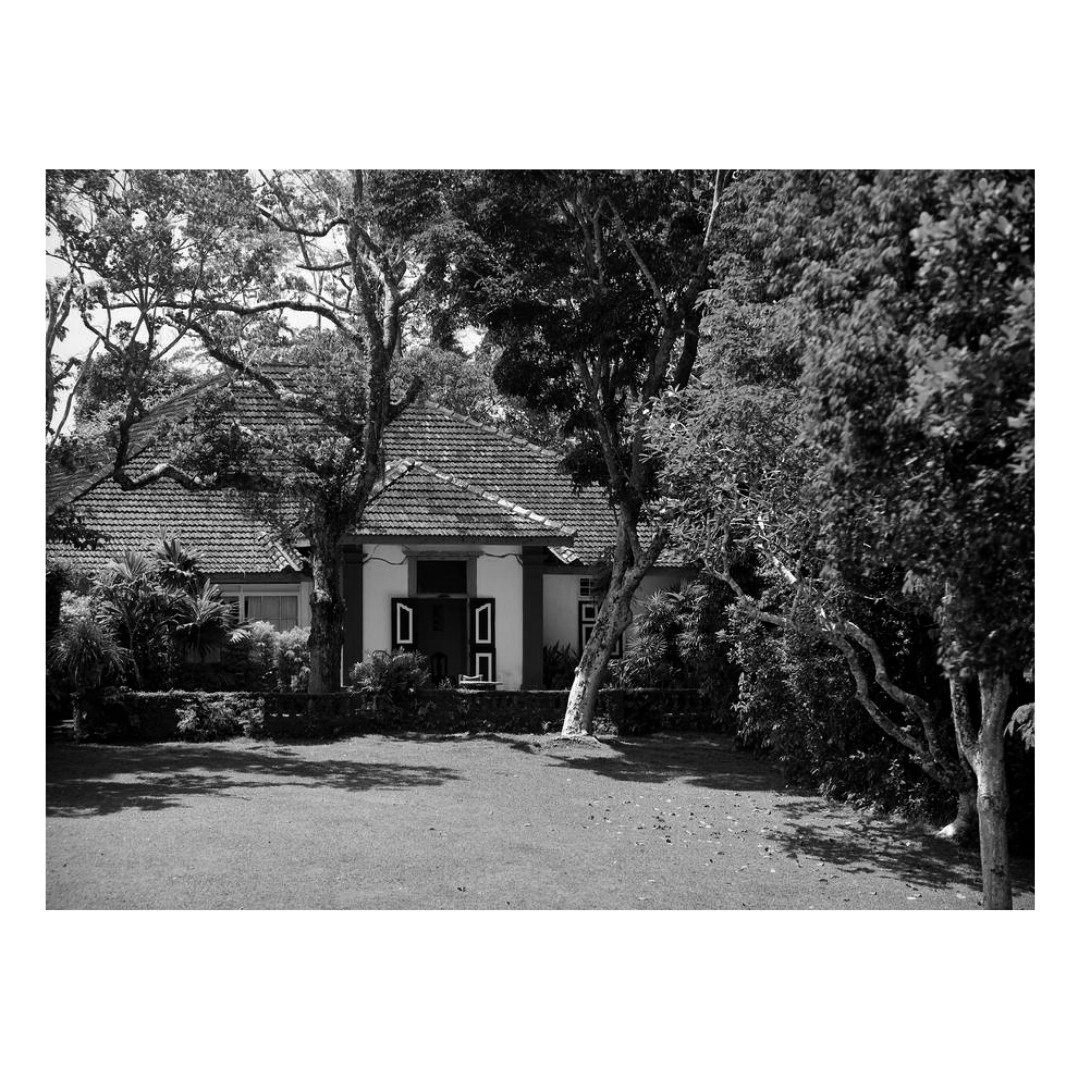
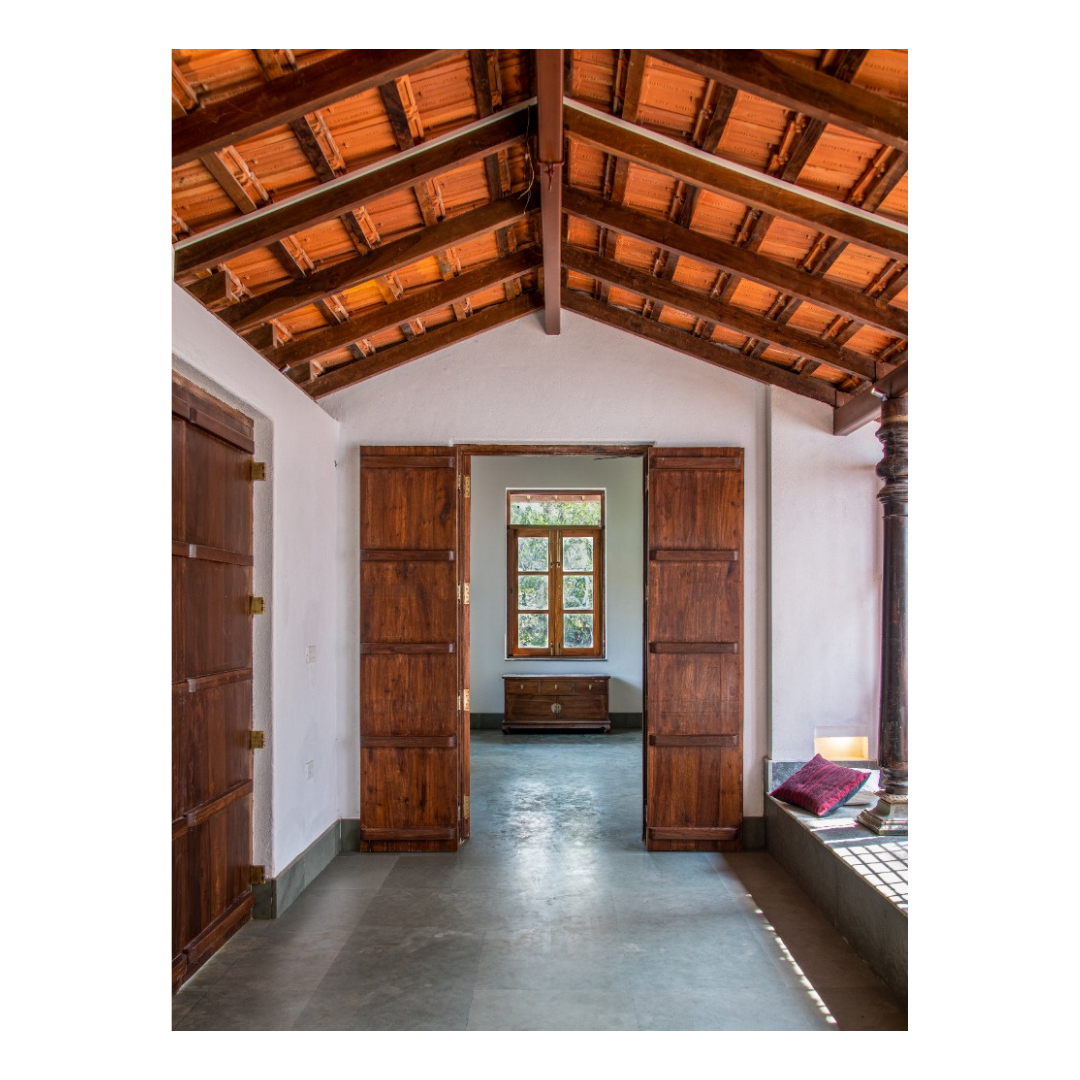
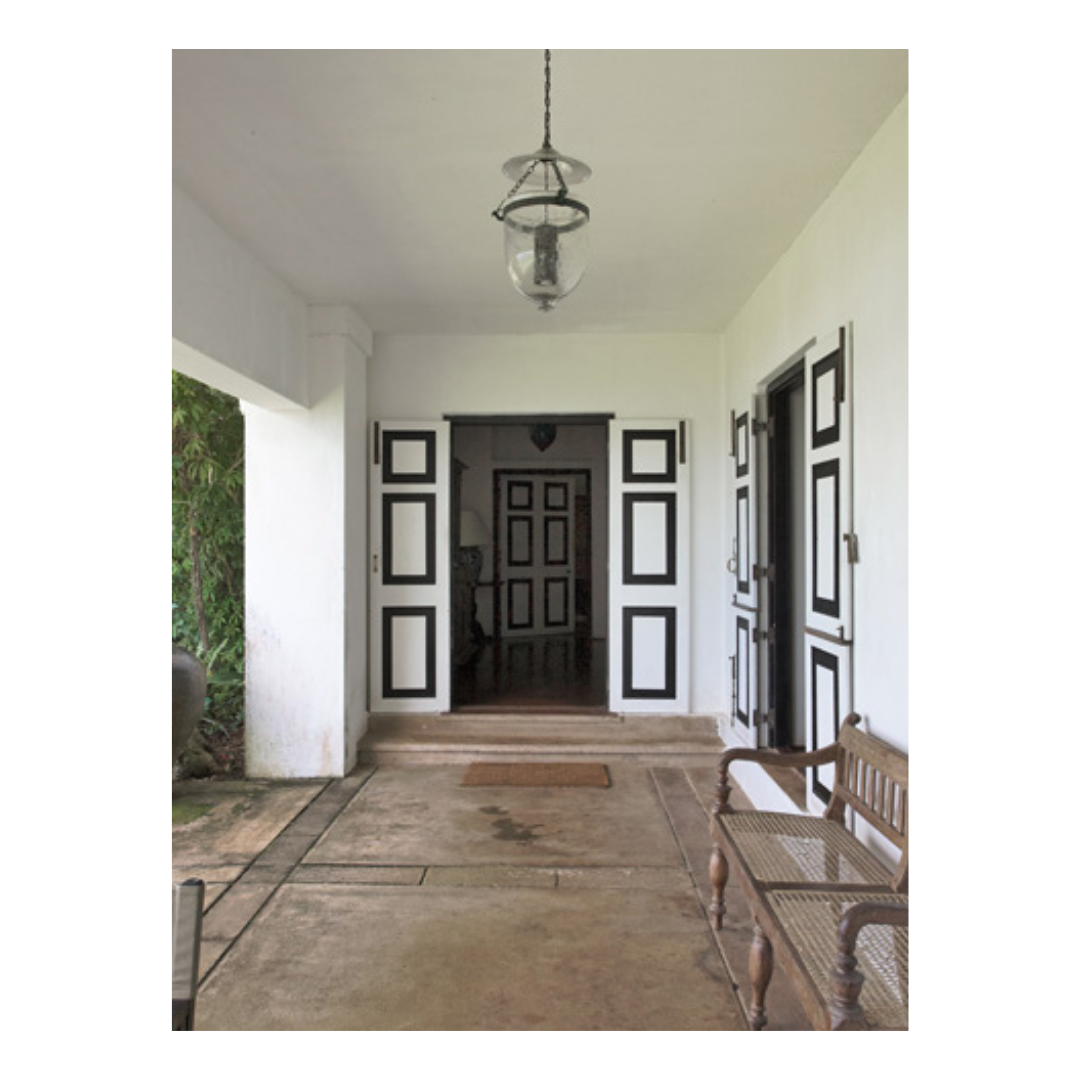
As we look back on our projects, it feels great to see many of our spaces carrying the sensibilities and sensitivites that Bawa inspired throughout his practice. The following set of images puts our project photos alongside some expertly crafted spaces byt the tropical wizard. It is our ode to the master architect, a reflection of the small but diverse ways in which he has touched our design thinking and building values.

The Balcao Connection

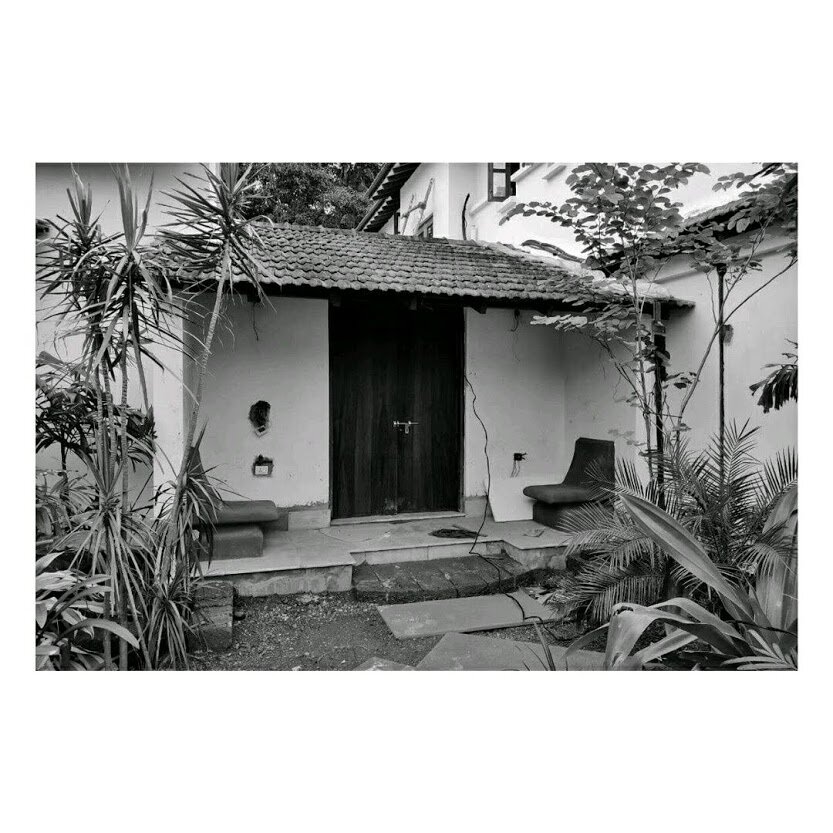
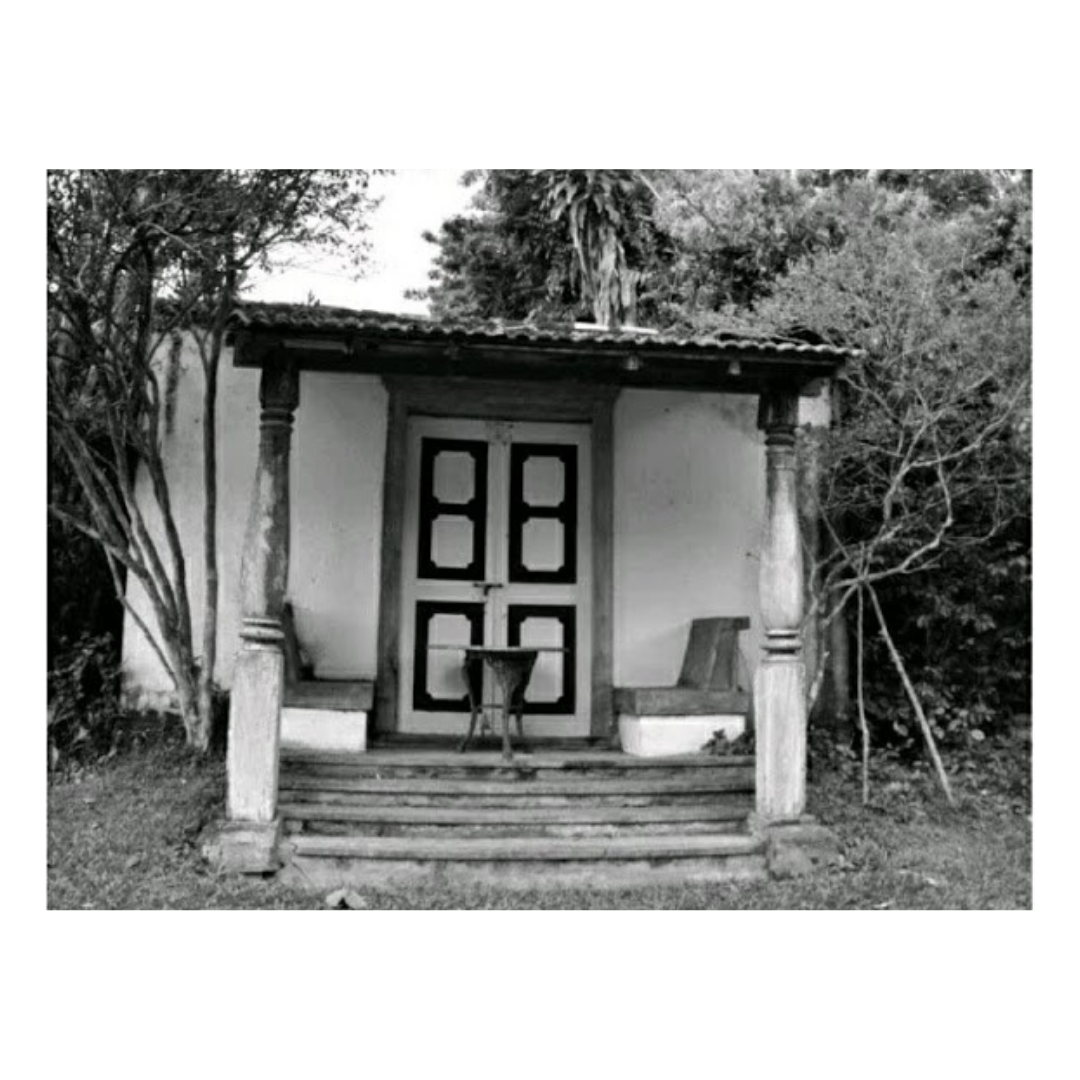
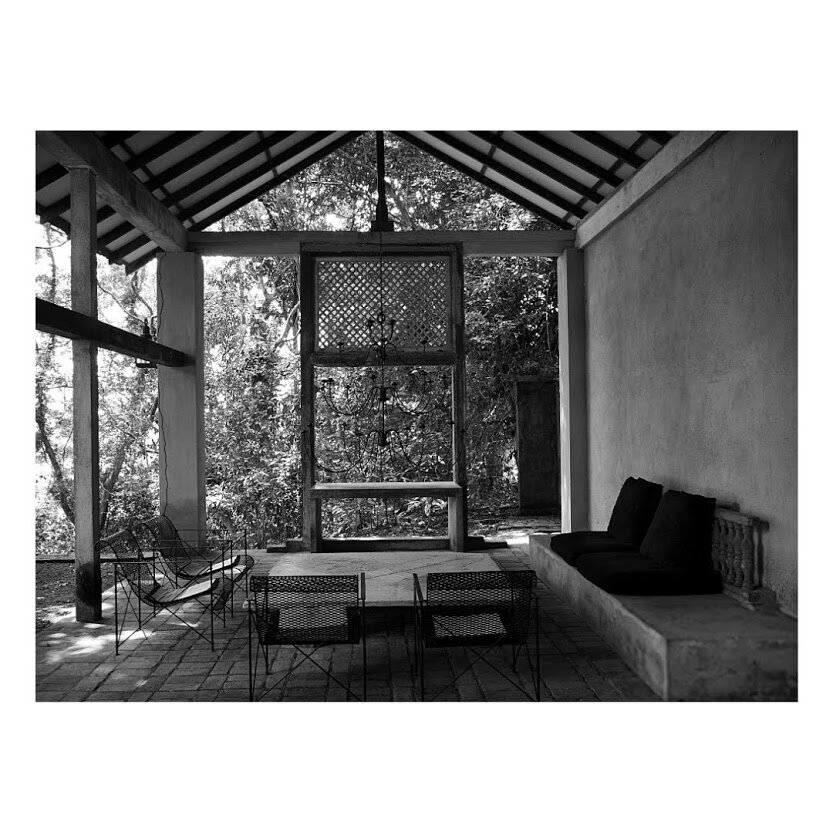
The interesting architectural connection between Goa and Sri Lanka is visibly articulated in elements such as inbuilt seats. The first picture is a site picture of a porch at our project, The House With Three Pavilions. The Goan Balcaos face each other, framing the entrance to the home pavilion. The second photograph is from Bawa's Lunuganga garden, with the in built seats looking out into the surrounding greenscape.

Windows for trees.

There is always time to frame a view. Vistas of green, however small bring a sense of freshness and colour into any space. The first picture is from our project Navovado, as the building volume is punctuated by foliage and fenestration. The second photograph is from Bawa's Garden, the bark of a tree framed through the small verandah window.

Seats built in to live with nature⠀

The first picture is of an insitu seat built next to the champa tree, watching the coconut plantations beyond on site at The House With Three Pavilions. The second photograph is from Bawa's estate, with an in built seat, finished with a wooden railing back, set in the enclosed gazebo to immerse oneself into the sights and sounds of nature around.⠀

A Hidden Pool⠀

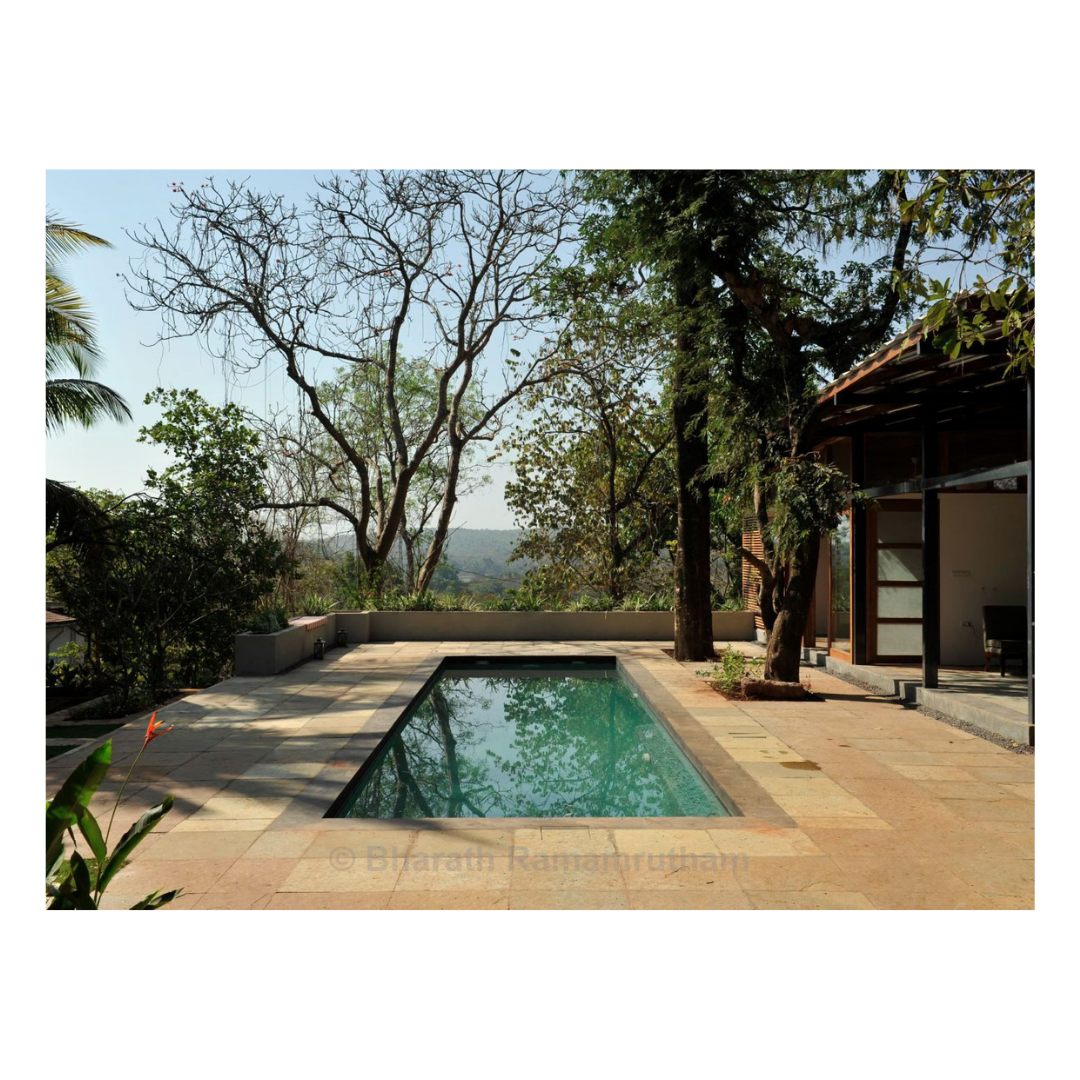
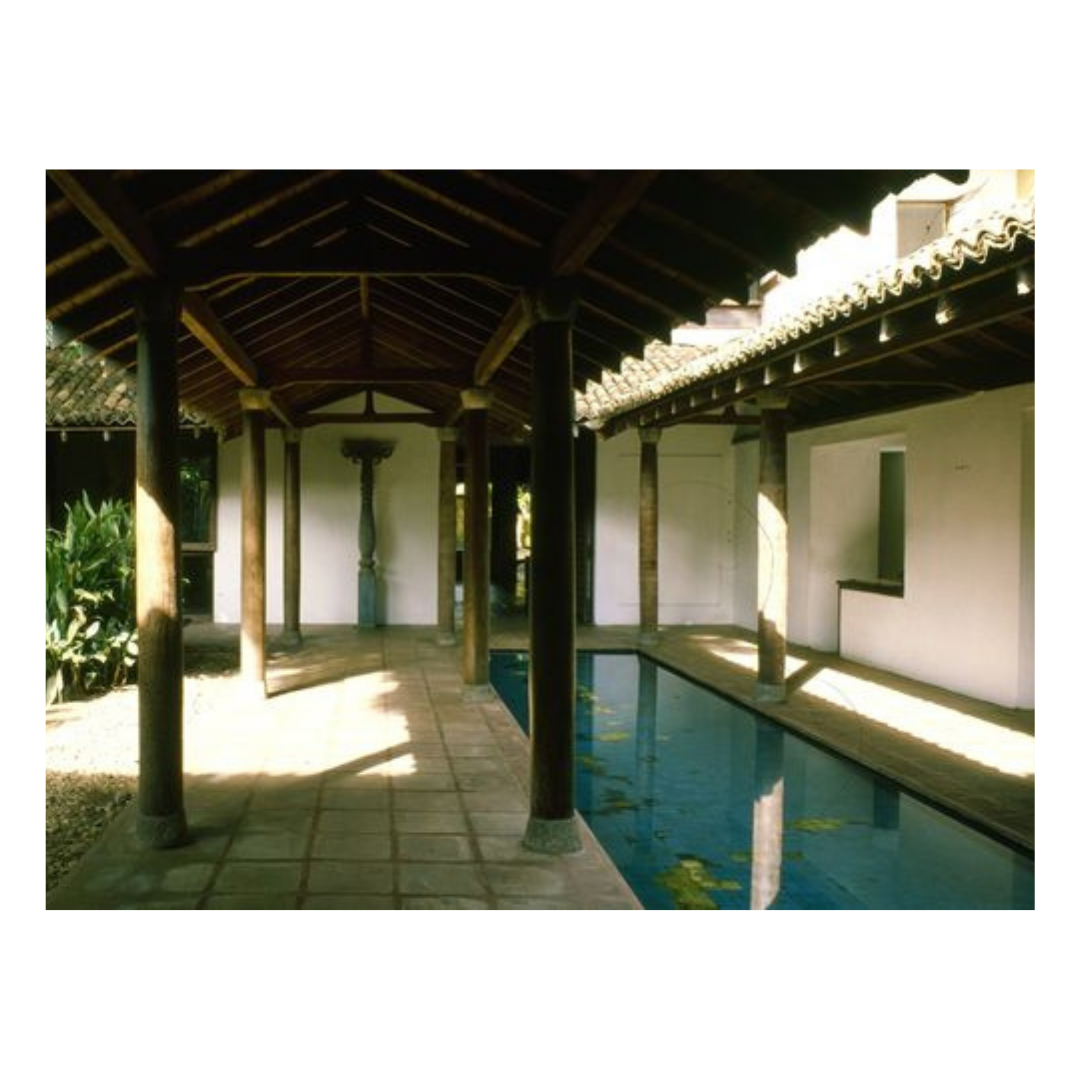
The first picture is of a terrace pool overlooking the trees and the hills at our project Nivim. The second photograph is from Geoffrey Bawa's House for Dr Bartholomeusz, with the pool quietly tucked into the indoor-outdoor courtyard.

Finding Bawa ~ The Stairway Composition⠀

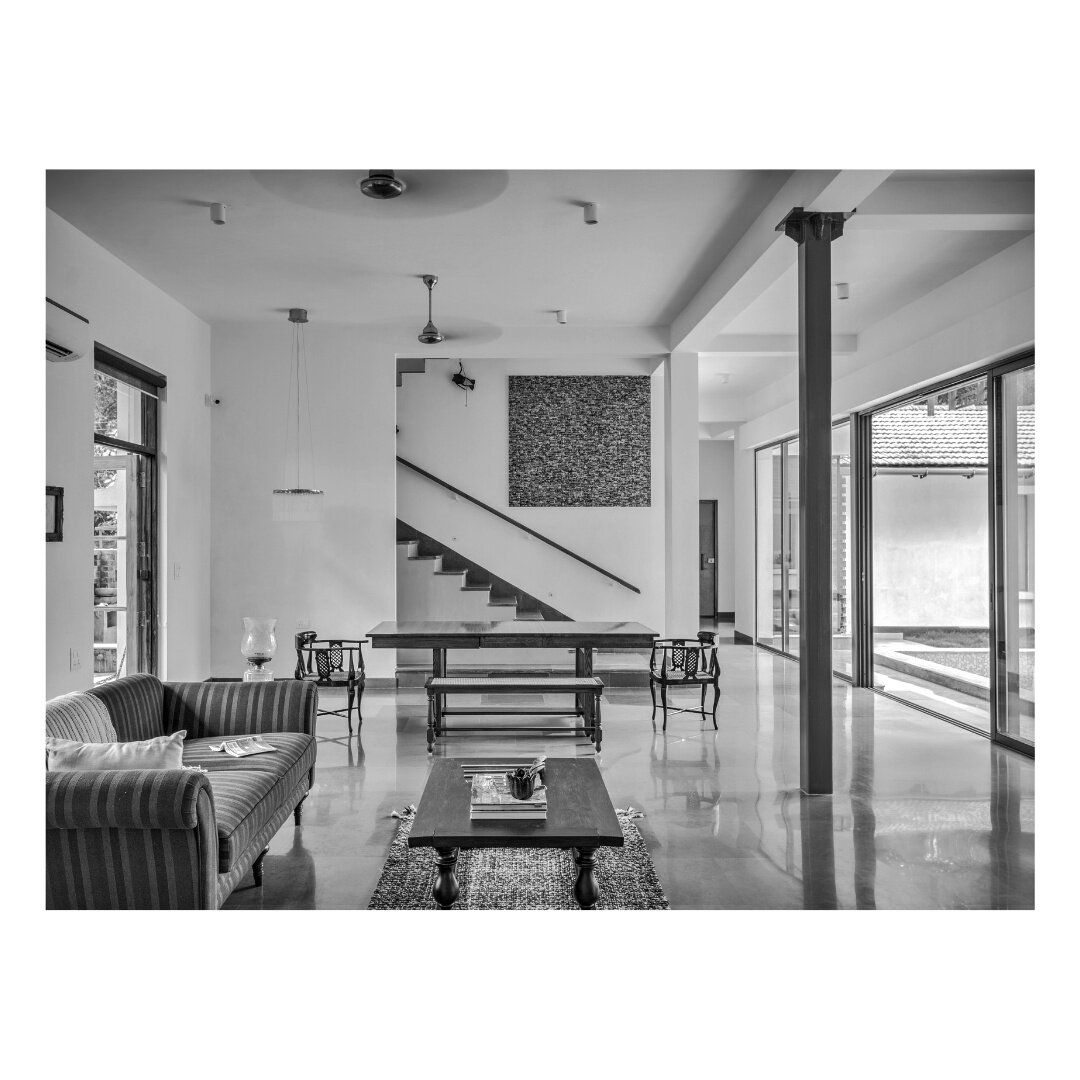
The first two pictures are from our project Navovado, looking at the stairway as it adds sculptural value and the play of different levels to one end of the living room. The second photograph is from Bawa's Bentota house, looking at his minimal, yet artistic stairway composition.⠀

Read Part I of Finding Bawa here.

 
Learn more about our work
 
Finding Bawa - Part I

Geoffrey Bawa is an unforgettable and continuous inspiration to most architects. There is an intangible relationship with nature that is so beautifully established. To see our inspiration translate into our work - in design, in spatial character, in connection and reverence towards nature - finding new meaning in every site we build on, feels wonderful and magical.

As we look back on our projects, it feels great to see many of our spaces carrying the sensibilities and sensitivites that Bawa inspired throughout his practice. The following set of images puts our project photos alongside some expertly crafted spaces by the tropical wizard. It is our ode to the master architect, a reflection of the small but diverse ways in which he has touched our design thinking and building values.

Building with nature

Watching these two pictures side by side leaves us with a sense of achievement and happiness. The first picture is from our project, The House with Three Pavilions in Goa. The second picture is from Ena De Silva's house, built by the master Geoffrey Bawa.

Verandahs celebrating the trees of the land

The first picture is from our project Navovado, looking at the old mango tree preserved during construction on site for this vacation house in Goa. The second photograph is from Bawa's Lunuganga estate, framing the magnificent tree by the lake.⠀⠀

Making greenery part of the building elevation

The first picture is from our project Navovado, as boundaries are blurred between the house and its landscape. The second photograph is from Bawa's Lunuganga country estate, picturing the house among the greenery perceived from the lawn.

A Place in The Shade⠀

The first picture is from our project The House With Three Pavilions, as the semi open corridor faces the internal courtyard on one side, touching it with an in situ seat and transitioning into different rooms on the other sides, each celebrating different views. The second photograph is from Bawa's estate, as the corridor behaves like a verandah even as it connects the indoor spaces from side to side. ⠀

A Welcoming Wilderness

The first picture frames the entrance to a pavilion at The House With Three Pavilions, brought alive with the growth of native plant species. The second photograph is from Bawa's Lunuganga garden, with the entrance pathway bordered by the lush wildscape on one side. ⠀

Read Part II of Finding Bawa here.

 
Learn more about our work